One Nation’s Rise in Tasmania Sets Off Alarm Bells for Major Parties as Polling Firm Warns of ‘Fundamental Shift’ in State’s Politics
- One Nation surges to 19% in latest Tasmanian poll, making it the third-most popular party behind Liberals and Labor.
- Major parties combined would attract fewer than half of votes, with Liberals recording 25% and Labor 24%.
- EMRS managing director Brad Stansfield warns of a “serious challenge” for his old party, the Liberals, as One Nation’s support “consolidates, not softens”.
- Experts say the rise of One Nation could lead to a “real problem” for the Liberal party, with Labor also struggling to attract voters.
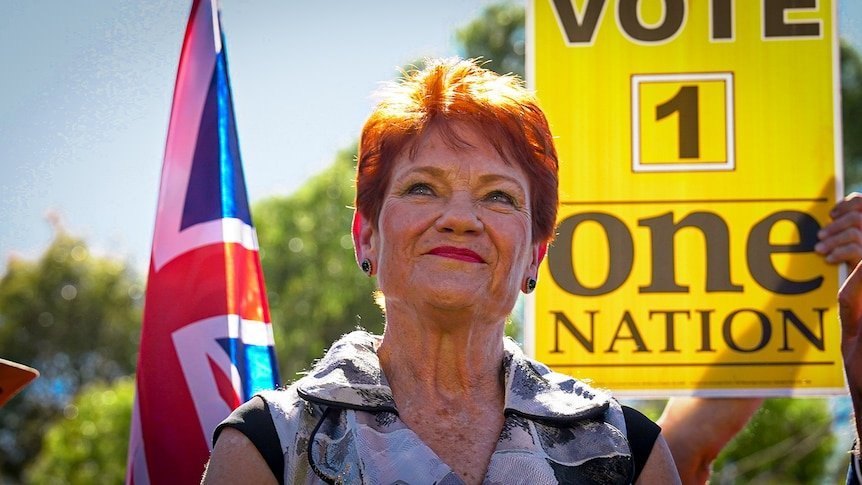
The latest polling figures from EMRS have sent shockwaves through Tasmania’s political landscape, with One Nation surging to 19% of the vote and becoming the third-most popular party in the state.
The right-wing populist party, led by Pauline Hanson, has been making waves in Tasmania, and its rise is causing concern among the major parties. For the first time, the major parties combined would attract fewer than half of the votes, with the Liberals recording 25% and Labor 24%.
The polling firm’s managing director, Brad Stansfield, a former Liberal strategist, has warned that his old party faces a “serious challenge” from One Nation. Stansfield said the party’s support was “consolidating, not softening” and called it a “fundamental shift in the state’s political landscape”.
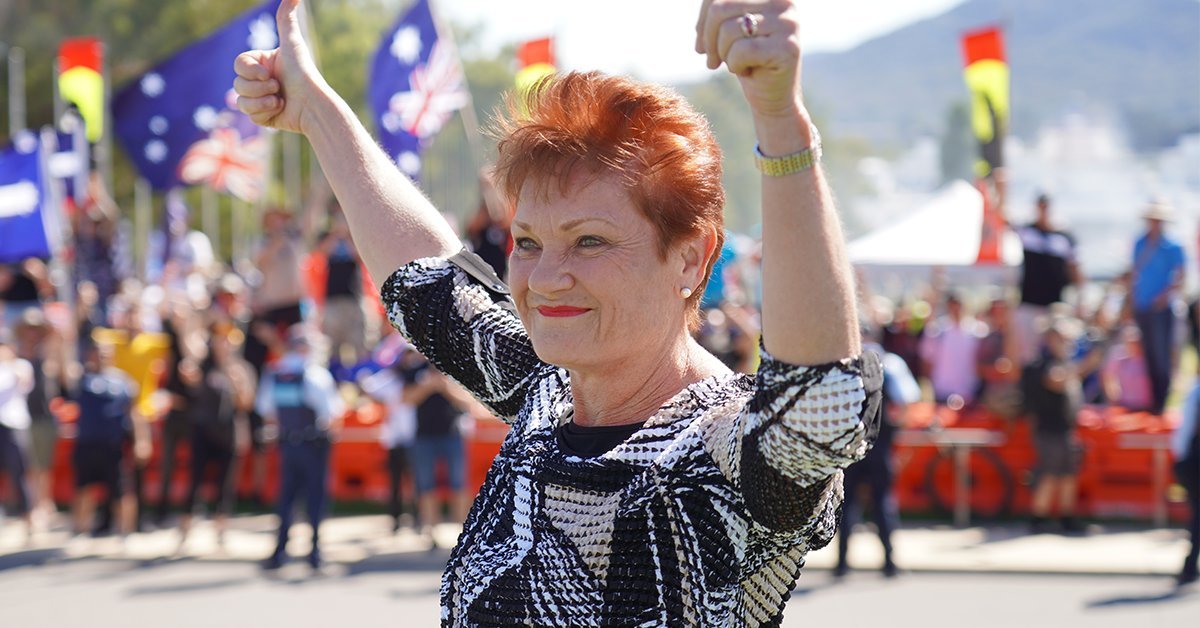
The rise of One Nation is attributed to its ability to tap into the concerns of conservative and swing voters, who are increasingly disillusioned with the major parties.
One Nation’s success in Tasmania is not an isolated incident. The party’s win in the Farrer by-election in May marked the first time it had won a lower house seat in federal parliament.



The party’s Lee Hanson, daughter of Pauline Hanson, was contacted for comment but did not respond. Stansfield said the result “put to bed any suggestion that the Tasmanian Liberal government was immune to the nationwide rise of One Nation”.
So, what’s driving One Nation’s surge in Tasmania? Experts say it’s a combination of factors, including the party’s ability to tap into the concerns of conservative and swing voters.
The party’s anti-immigration and anti- Islamic rhetoric has resonated with some voters, who feel that the major parties are out of touch with their concerns.
Additionally, the party’s populist message has appealed to voters who feel disenfranchised by the political system.
Analysis: What This Means for AustraliaThe rise of One Nation in Tasmania has significant implications for Australian politics.
The party’s success could lead to a fragmentation of the vote, making it harder for the major parties to form government. This could lead to a period of political instability, with potential consequences for the country’s economy and national security.
Furthermore, the rise of One Nation could also lead to a shift to the right in Australian politics, with potential consequences for the country’s social cohesion and cultural diversity.
Security analysts say that the rise of One Nation could also have implications for national security. The party’s anti-immigration and anti-Islamic rhetoric has been criticized for fueling division and extremism.
If the party continues to grow in popularity, it could lead to a rise in hate crimes and extremism, posing a significant threat to national security.
Law enforcement insiders warn that the rise of One Nation could also lead to a rise in tensions between different communities, potentially leading to social unrest.
The party’s rhetoric has been criticized for fueling division and intolerance, and if it continues to grow in popularity, it could lead to a rise in hate crimes and community tensions.
Industry observers believe that the rise of One Nation could also have economic consequences.
The party’s populist message has appealed to voters who feel disenfranchised by the political system, but it could also lead to a rise in protectionism and economic nationalism.
This could have significant consequences for the country’s economy, particularly in terms of trade and investment.
The latest polling figures from EMRS have sent shockwaves through Tasmania’s political landscape, with One Nation surging to 19% of the vote and becoming the third-most popular party in the state. The right-wing populist party, led by Pauline Hanson, has been making waves in Tasmania, and its rise is causing concern among the major parties. For the first time, the major parties combined would attract fewer than half of the votes, with the Liberals recording 25% and Labor 24%.
The polling firm’s managing director, Brad Stansfield, a former Liberal strategist, has warned that his old party faces a “serious challenge” from One Nation. Stansfield said the party’s support was “consolidating, not softening” and called it a “fundamental shift in the state’s political landscape”. The rise of One Nation is attributed to its ability to tap into the concerns of conservative and swing voters, who are increasingly disillusioned with the major parties.
One Nation’s success in Tasmania is not an isolated incident. The party’s win in the Farrer by-election in May marked the first time it had won a lower house seat in federal parliament. The party’s Lee Hanson, daughter of Pauline Hanson, was contacted for comment but did not respond. Stansfield said the result “put to bed any suggestion that the Tasmanian Liberal government was immune to the nationwide rise of One Nation”.
The rise of One Nation in Tasmania has significant implications for Australian politics. The party’s success could lead to a fragmentation of the vote, making it harder for the major parties to form government. This could lead to a period of political instability, with potential consequences for the country’s economy and national security. Furthermore, the rise of One Nation could also lead to a shift to the right in Australian politics, with potential consequences for the country’s social cohesion and cultural diversity.