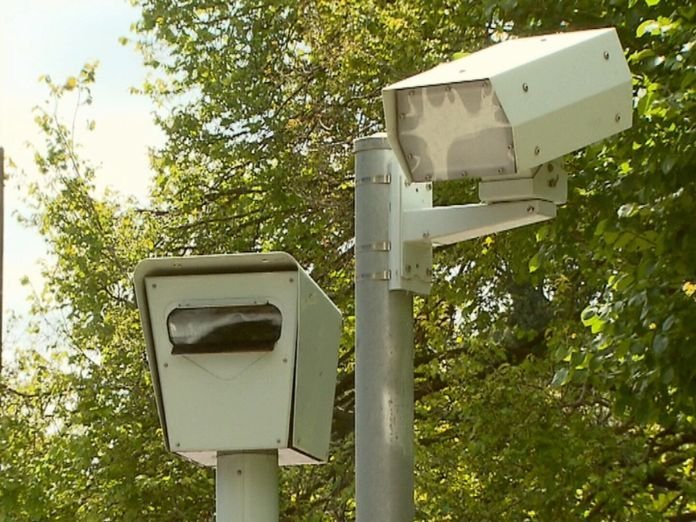
Victoria Unveils $28.3 Million ‘Smart’ Traffic Camera Blitz: The Hidden Dangers of Australia’s Roads Revealed
- Victoria to deploy ‘all-in-one’ traffic cameras to catch speeding, phone use, and seatbelt offenders
- New technology allows for longer deployments and more flexible enforcement of infringements
- Experts warn of a ‘psychological effect’ that could change driver behavior, but concerns over AI-assisted cameras remain
- Road toll increases for fifth consecutive year, with 1314 deaths in 2025, putting federal government’s safety targets at risk
The Victorian Government has just announced a $28.3 million investment in ‘smart enforcement traffic cameras’ that will revolutionize the way authorities catch and deter drivers engaging in high-risk behavior on the state’s roads.
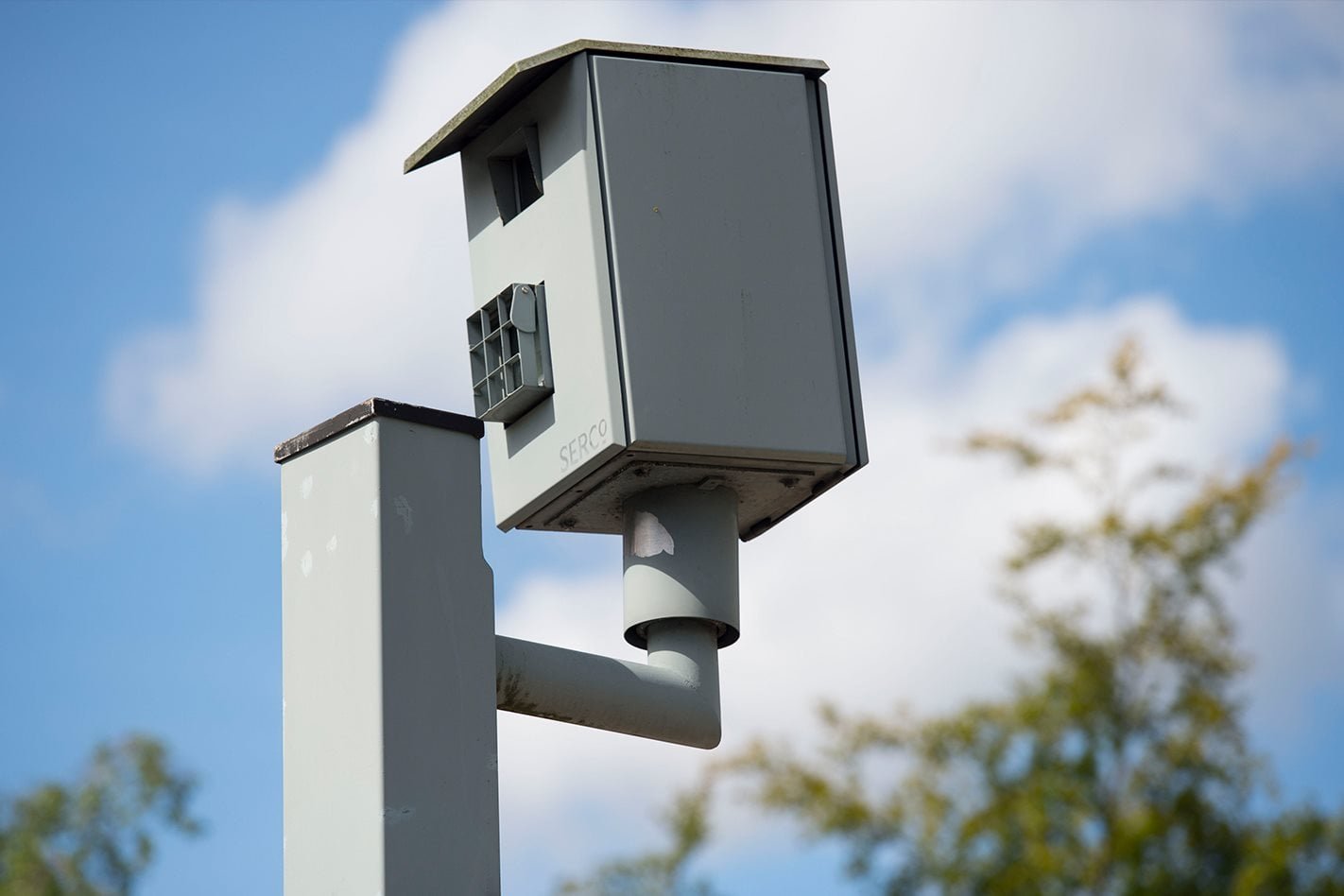
The new technology, set to be rolled out on the Western Ring Road, will allow for the detection of speeding, phone use, and seatbelt offenders, and will be capable of longer deployments and more flexible enforcement of infringements.
According to Ros Spence, Minister for Roads and Road Safety, the new cameras will play a crucial role in targeting “dangerous driving behavior and improving safety” on Victoria’s roads.
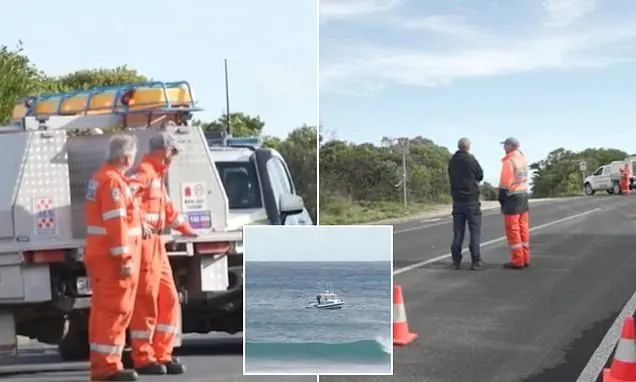
The move comes as the state grapples with a concerning rise in road fatalities, with 273 lives lost in the past 12 months – a 7.3 per cent increase on the previous year.
Rural areas have been disproportionately affected, with 153 deaths recorded, while metropolitan and city areas saw fewer fatalities, with 120 lives lost.



The new cameras, designed by Verra Mobility, boast cutting-edge technology that enables them to be deployed virtually anywhere, from urban streets to rural highways. This flexibility creates a “psychological effect” that experts say will change driver behavior, as motorists will never know where a camera might be positioned.
“Uncertainty changes behavior,” said Steven Crutchfield, senior vice president and managing director of Verra Mobility.
“When drivers understand that speed limits could be enforced anywhere at any time, they are far more likely to slow down – not just at camera locations, but across their entire journey.”
However, concerns have been raised over the potential use of artificial intelligence (AI) in the new cameras. While the Victorian Government has not explicitly stated that AI will be used, some current cameras already in use in the state utilize the technology.
The Western Australian Government recently waived over $1 million in fines generated by AI-assisted cameras, sparking debate over the reliability and fairness of the technology.
Analysis: What This Means for Australia
The rollout of the new cameras comes as Australia’s road toll continues to rise, with 1314 deaths recorded in 2025 – the fifth consecutive year of increases.
The federal government’s plan to reduce road deaths by 50 per cent and severe injuries by 30 per cent from 2018-2020 figures by the end of this decade now looks increasingly unlikely.
The Australian Automobile Association (AAA) has slammed the federal government for failing to properly evaluate the cause of deaths, calling for an extension of its powers to conduct no-blame investigations of transport fatalities.
Security analysts say the use of AI-assisted cameras raises concerns over the potential for bias and error. “The use of AI in traffic cameras is a double-edged sword,” said one expert.
“While it can help to improve road safety, it also raises questions over accountability and transparency.” Law enforcement insiders warn that the increased use of technology in policing will require a corresponding increase in transparency and oversight to ensure that the rights of motorists are protected.
Industry observers believe that the rollout of the new cameras will have a significant impact on the way drivers behave on the roads. “The psychological effect of these cameras will be significant,” said one observer.
“Drivers will be more likely to slow down and follow the rules of the road, knowing that they could be caught at any time.” However, others have raised concerns over the potential for the cameras to be used as a revenue-raising tool, rather than a genuine attempt to improve road safety.
As the debate over the use of AI-assisted cameras continues, one thing is clear: the rollout of the new technology in Victoria marks a significant shift in the way authorities approach road safety.
With the road toll continuing to rise, it remains to be seen whether the new cameras will be enough to turn the tide and make Australia’s roads safer for all users.
road safety
traffic cameras
Australian Automobile Association
Victorian Government