
Diphtheria Outbreak Spreads Across Australia: Experts Warn of Deadly Consequences as Misinformation Fuels Vaccine Hesitancy
- A diphtheria outbreak has claimed one life in the Northern Territory, with multiple states and territories affected, sparking concerns over vaccine hesitancy and misinformation.
- Experts say the highly contagious disease is being fueled by low vaccination rates, particularly in remote Indigenous communities, and not by immigrants as some social media claims suggest.
- Leading health experts urge Australians to get vaccinated, citing the safety and effectiveness of the diphtheria vaccine, which has been used for decades.
- The outbreak has exposed a flaw in Australia’s vaccination system, with thousands of Indigenous people in the Northern Territory yet to receive their five-year booster shot.
The diphtheria outbreak sweeping across Australia has claimed one life in the Northern Territory, with multiple states and territories affected. As the highly contagious disease continues to spread, experts are warning of the deadly consequences of misinformation and vaccine hesitancy.
At the heart of the outbreak is a complex web of factors, including low vaccination rates, particularly in remote Indigenous communities. Despite this, some social media claims have attempted to shift the blame to immigrants, a notion that health experts have dismissed as xenophobic and unfounded.
“Diphtheria is one of those diseases that people can carry without any symptoms, and it’s likely been circulating in Aboriginal communities for a long time,” said Professor Adrian Esterman, a biostatistics and epidemiology expert from the University of Adelaide.
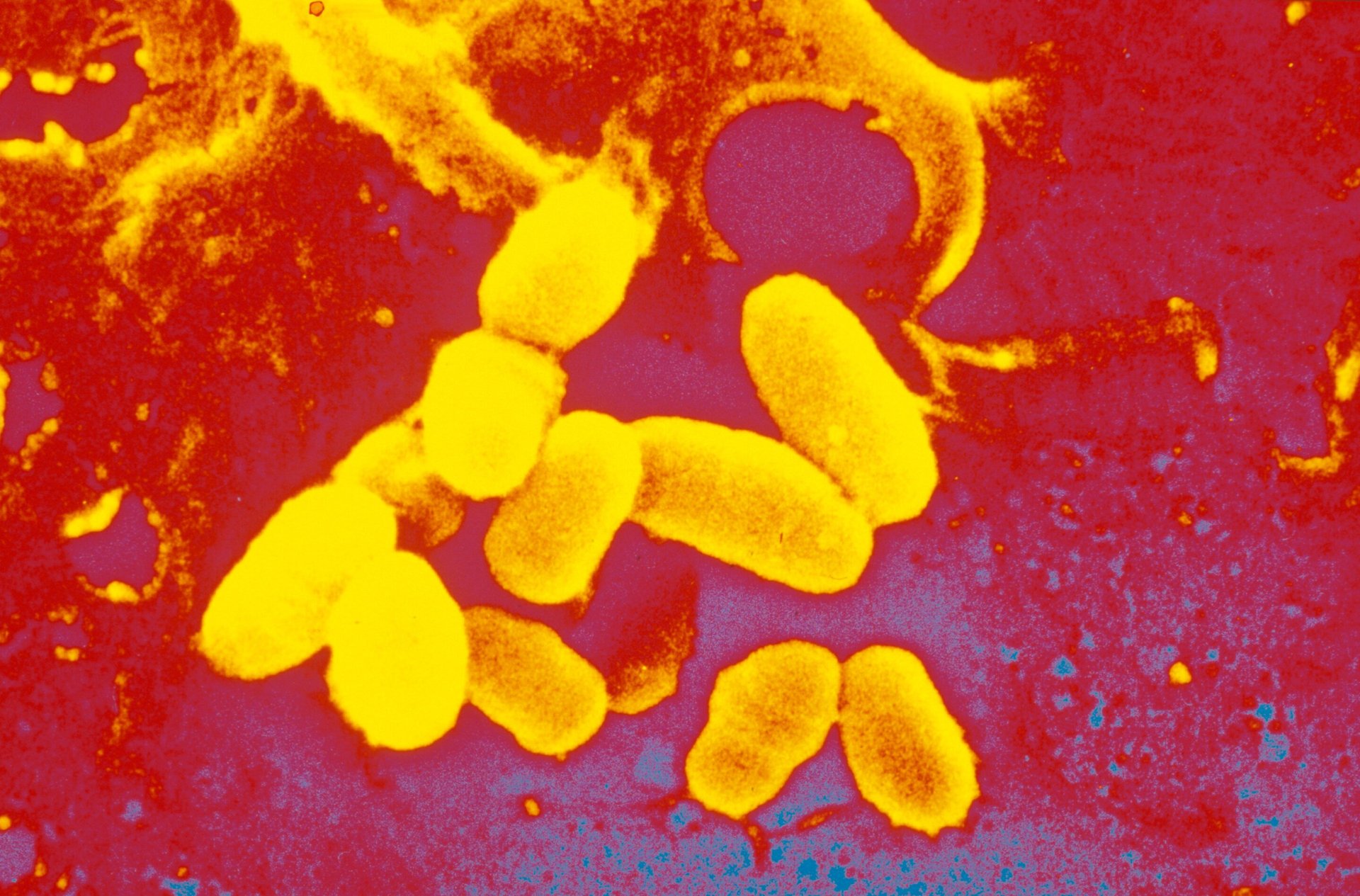
“It just so happens that every now and then when the vaccine coverage dips slightly, or there’s a bit of disruption, it takes off.
So it’s almost certainly got nothing to do with immigrants.”


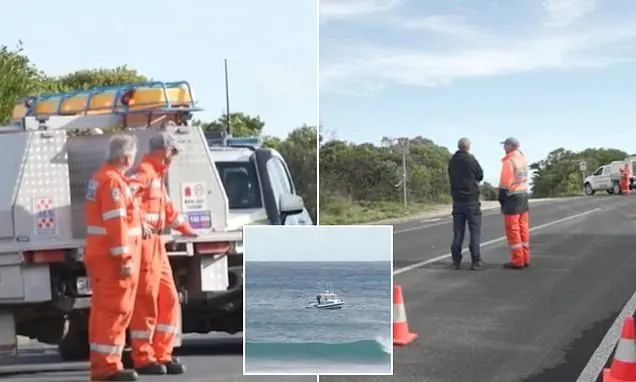

The outbreak has also highlighted the flaw in Australia’s vaccination system, with thousands of Indigenous people in the Northern Territory yet to receive their five-year diphtheria vaccine booster.
According to Professor Raina MacIntyre, head of the biosecurity program at the University of New South Wales’s Kirby Institute, the location of the outbreaks reveals a deeper issue.
“It’s exacerbated in some of these remote towns and communities because the vaccination rates might be a bit lower there than in the big cities,” she said.
“That’s not to say that it’s the fault of the communities themselves, but rather a result of health inequality and access issues.”
Despite the challenges, experts are urging Australians to get vaccinated, citing the safety and effectiveness of the diphtheria vaccine, which has been used for decades.
“The diphtheria vaccine is one of the safest and oldest vaccines medical professionals use,” said Professor MacIntyre.
“It’s been around for decades and decades, and there’s enormous amounts of data to support its safety and efficacy.”
Analysis: What This Means for AustraliaThe diphtheria outbreak has significant implications for Australia’s public health system, highlighting the need for improved vaccination rates and access to healthcare, particularly in remote communities.
The spread of misinformation and vaccine hesitancy also poses a major challenge, with experts warning that it could have deadly consequences.
Security analysts say that the outbreak has exposed a vulnerability in Australia’s biosecurity, with the potential for the disease to spread quickly in areas with low vaccination rates.
Law enforcement insiders warn that the spread of misinformation on social media could also have serious consequences, fueling fear and mistrust in the community.
Industry observers believe that the outbreak has highlighted the need for a coordinated national response to vaccine hesitancy, including education campaigns and improved access to healthcare.
They also warn that the outbreak could have significant economic and social consequences, particularly in affected communities.
As the outbreak continues to spread, experts are urging Australians to take action, getting vaccinated and seeking out credible sources of information to combat the spread of misinformation.
With the stakes high, it’s a matter of life and death.
The diphtheria outbreak sweeping across Australia has claimed one life in the Northern Territory, with multiple states and territories affected. As the highly contagious disease continues to spread, experts are warning of the deadly consequences of misinformation and vaccine hesitancy.
At the heart of the outbreak is a complex web of factors, including low vaccination rates, particularly in remote Indigenous communities. Despite this, some social media claims have attempted to shift the blame to immigrants, a notion that health experts have dismissed as xenophobic and unfounded.
“Diphtheria is one of those diseases that people can carry without any symptoms, and it’s likely been circulating in Aboriginal communities for a long time,” said Professor Adrian Esterman, a biostatistics and epidemiology expert from the University of Adelaide. “It just so happens that every now and then when the vaccine coverage dips slightly, or there’s a bit of disruption, it takes off. So it’s almost certainly got nothing to do with immigrants.”
The outbreak has also highlighted the flaw in Australia’s vaccination system, with thousands of Indigenous people in the Northern Territory yet to receive their five-year diphtheria vaccine booster. According to Professor Raina MacIntyre, head of the biosecurity program at the University of New South Wales’s Kirby Institute, the location of the outbreaks reveals a deeper issue.
“It’s exacerbated in some of these remote towns and communities because the vaccination rates might be a bit lower there than in the big cities,” she said. “That’s not to say that it’s the fault of the communities themselves, but rather a result of health inequality and access issues.”
Despite the challenges, experts are urging Australians to get vaccinated, citing the safety and effectiveness of the diphtheria vaccine, which has been used for decades. “The diphtheria vaccine is one of the safest and oldest vaccines medical professionals use,” said Professor MacIntyre. “It’s been around for decades and decades, and there’s enormous amounts of data to support its safety and efficacy.”
The diphtheria outbreak has significant implications for Australia’s public health system, highlighting the need for improved vaccination rates and access to healthcare, particularly in remote communities. The spread of misinformation and vaccine hesitancy also poses a major challenge, with experts warning that it could have deadly consequences.
Security analysts say that the outbreak has exposed a vulnerability in Australia’s biosecurity, with the potential for the disease to spread quickly in areas with low vaccination rates. Law enforcement insiders warn that the spread of misinformation on social media could also have serious consequences, fueling fear and mistrust in the community.
Industry observers believe that the outbreak has highlighted the need for a coordinated national response to vaccine hesitancy, including education campaigns and improved access to healthcare. They also warn that the outbreak could have significant economic and social consequences, particularly in affected communities.
As the outbreak continues to spread, experts are urging Australians to take action, getting vaccinated and seeking out credible sources of information to combat the spread of misinformation. With the stakes high, it’s a matter of life and death.