
Renters Reel as Labor’s Housing Plans Unravel: $100-a-Week Rent Hikes Spark Fears of a ‘Broken’ System
- Renters report shocking increases of up to $100 a week, contradicting Labor’s promises of just $2-a-week hikes
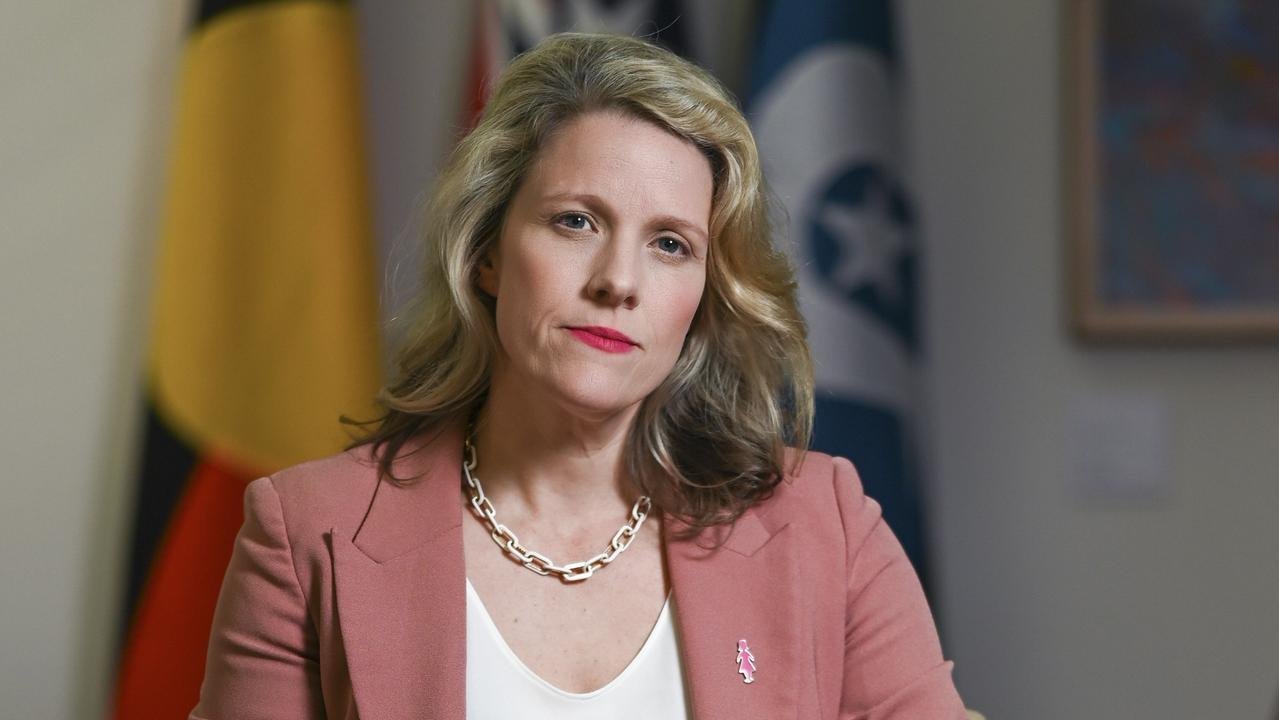
- Housing Minister Clare O’Neil under fire for defending Treasury modelling as ‘almost no impact on rents’ despite mounting backlash
- Nationals Senator Bridget McKenzie warns of ‘horrific price rises’ and demands release of government modelling
- Experts predict rent increases of 3-10% under Labor’s plans, shattering hopes of relief for struggling renters
The Australian rental market is in crisis, with renters facing unprecedented hikes in the wake of Labor’s budget announcement.
Despite Housing Minister Clare O’Neil’s assurances that the changes would have “almost no impact on rents,” many are reporting increases of up to $100 a week.
This stark reality has sparked widespread fears that the system is “broken” and that the government’s plans are failing to address the root causes of the crisis.
At the heart of the controversy is the government’s decision to limit negative gearing concessions for new property investors to newly built homes, while grandfathering existing arrangements.
O’Neil has repeatedly pointed to Treasury modelling that suggests rents will rise by just $2 a week under the reforms, but this prediction is being roundly contradicted by real-world experience.



Renters are sharing stories of dramatic rent increases, with some reporting hikes of 20-30% or more. So, what’s behind the discrepancy between the government’s predictions and the harsh reality facing renters?
The answer lies in the fundamental flaws of the government’s housing strategy, which prioritizes the interests of investors over those of tenants.
By limiting negative gearing concessions, the government is attempting to level the playing field for first-home buyers, but this move is likely to have unintended consequences.
With investors seeking to minimize their losses, they may be more likely to raise rents or sell their properties, further exacerbating the shortage of affordable housing.
Analysis: What This Means for AustraliaThe crisis in the rental market has serious implications for national security, law enforcement, and community safety.
As rents continue to skyrocket, more and more Australians are being forced into poverty and homelessness, creating a ticking time bomb of social unrest and discontent.
The government’s failure to address the root causes of the crisis is not only a moral failing but also a strategic blunder, as it undermines the very fabric of Australian society.
Security analysts warn that the housing crisis is creating a powder keg of social tensions, as struggling renters and homeowners are forced to compete for scarce resources.
“The government’s priorities are skewed,” one analyst noted.
“They’re more concerned with propping up the property market than with protecting the most vulnerable members of society.”
Law enforcement insiders also express concern about the potential consequences of the housing crisis, citing the links between poverty, crime, and social disorder.
“When people are desperate, they’re more likely to turn to crime,” one insider warned.
“The government needs to wake up to the reality of the situation and take action to address the root causes of the crisis.”
The economic consequences of the housing crisis are also dire, with the Reserve Bank warning of a potential downturn in the property market.
“The government’s policies are creating a perfect storm of economic instability,” said one industry observer.
“They need to rethink their strategy and prioritize the needs of ordinary Australians over those of wealthy investors.”
As the situation continues to deteriorate, one thing is clear: the government’s housing plans are unraveling, and the consequences for Australia will be severe.
It’s time for a radical rethink of the government’s approach to housing, one that prioritizes the needs of tenants and homeowners over those of investors and speculators.
Only then can we hope to address the root causes of the crisis and build a more equitable and sustainable housing market for all Australians.
The Australian rental market is in crisis, with renters facing unprecedented hikes in the wake of Labor’s budget announcement. Despite Housing Minister Clare O’Neil’s assurances that the changes would have “almost no impact on rents,” many are reporting increases of up to $100 a week. This stark reality has sparked widespread fears that the system is “broken” and that the government’s plans are failing to address the root causes of the crisis.
At the heart of the controversy is the government’s decision to limit negative gearing concessions for new property investors to newly built homes, while grandfathering existing arrangements. O’Neil has repeatedly pointed to Treasury modelling that suggests rents will rise by just $2 a week under the reforms, but this prediction is being roundly contradicted by real-world experience. Renters are sharing stories of dramatic rent increases, with some reporting hikes of 20-30% or more.
So, what’s behind the discrepancy between the government’s predictions and the harsh reality facing renters? The answer lies in the fundamental flaws of the government’s housing strategy, which prioritizes the interests of investors over those of tenants. By limiting negative gearing concessions, the government is attempting to level the playing field for first-home buyers, but this move is likely to have unintended consequences. With investors seeking to minimize their losses, they may be more likely to raise rents or sell their properties, further exacerbating the shortage of affordable housing.
The crisis in the rental market has serious implications for national security, law enforcement, and community safety. As rents continue to skyrocket, more and more Australians are being forced into poverty and homelessness, creating a ticking time bomb of social unrest and discontent. The government’s failure to address the root causes of the crisis is not only a moral failing but also a strategic blunder, as it undermines the very fabric of Australian society.
Security analysts warn that the housing crisis is creating a powder keg of social tensions, as struggling renters and homeowners are forced to compete for scarce resources. “The government’s priorities are skewed,” one analyst noted. “They’re more concerned with propping up the property market than with protecting the most vulnerable members of society.”
Law enforcement insiders also express concern about the potential consequences of the housing crisis, citing the links between poverty, crime, and social disorder. “When people are desperate, they’re more likely to turn to crime,” one insider warned. “The government needs to wake up to the reality of the situation and take action to address the root causes of the crisis.”
The economic consequences of the housing crisis are also dire, with the Reserve Bank warning of a potential downturn in the property market. “The government’s policies are creating a perfect storm of economic instability,” said one industry observer. “They need to rethink their strategy and prioritize the needs of ordinary Australians over those of wealthy investors.”
As the situation continues to deteriorate, one thing is clear: the government’s housing plans are unraveling, and the consequences for Australia will be severe. It’s time for a radical rethink of the government’s approach to housing, one that prioritizes the needs of tenants and homeowners over those of investors and speculators. Only then can we hope to address the root causes of the crisis and build a more equitable and sustainable housing market for all Australians.