Shaken to the Core: Mysterious Pattern of Earthquakes Strikes Rural Queensland, Leaving Scientists Baffled
- Twin earthquakes rock rural town of Monto, sparking fears of a seismic hotspot in the Wide Bay region
- Seismologists stunned by rare pattern of multiple strikes in the same area, with no clear explanation
- History of significant earthquakes in the region raises concerns about the potential for a major tremor
- Experts call for more research to understand the underlying causes of the unusual seismic activity
The usually quiet rural town of Monto, Queensland, has been shaken to its core by two earthquakes striking within days of each other.
The magnitude-3.5 and 3.6 quakes, which occurred on Monday and Thursday, respectively, have left seismologists scratching their heads as they try to understand the unusual pattern of seismic activity in the Wide Bay region.
According to Geoscience Australia seismologist Tanja Pejic, the earthquakes would have caused furniture to rattle and people to wake up with a start.
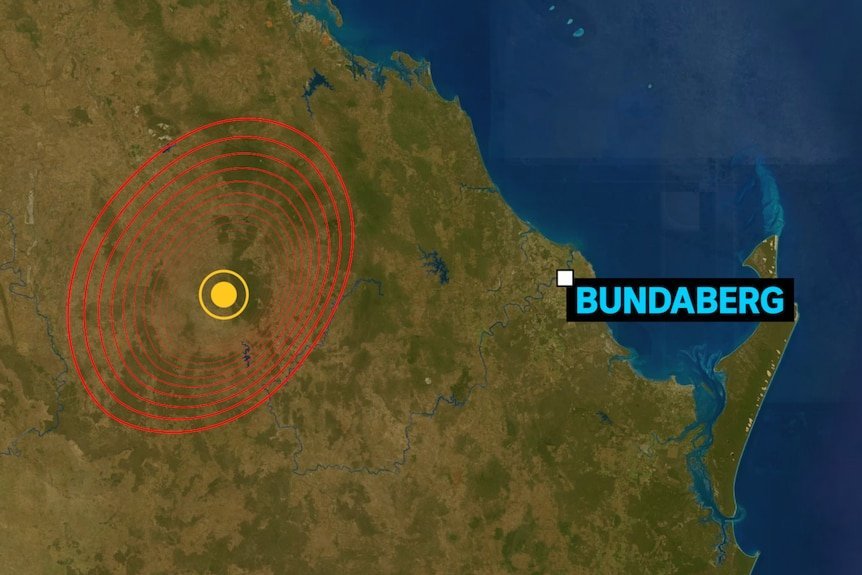
While no damage has been reported, the frequency and proximity of the quakes have raised concerns about the potential for a major tremor in the area.
Dr Pejic notes that the region is known for its seismic activity, with a history of significant earthquakes dating back to 1918.




One of the most significant earthquakes in Queensland’s history was a magnitude-6.3 tremor that struck off the coast of Bundaberg in June 1918.
More recently, a magnitude-5.6 earthquake near Kilkivan in 2025 was the largest onshore earthquake in the state in over 50 years, with over 12,000 people reporting that they felt the tremor.
The North Burnett region has also experienced significant seismic activity, with a magnitude-6.1 earthquake recorded in Gayndah in 1935 and two earthquakes striking within hours of each other near Eidsvold in 2015.
Dr Pejic believes that the Wide Bay region is prone to a pattern of multiple earthquakes in a short timeframe, followed by periods of relative calm.
However, the exact causes of this phenomenon are still not understood, and scientists are calling for more research to be conducted in the area.
“It seems to be sort of a pattern for this area to have multiple earthquakes in a short timeframe, then maybe not much for a while and then it goes again,” Dr Pejic said.
“Why that is, we don’t know. We really need more research in the area to be able to tell that.”
Analysis: What This Means for Australia
The series of earthquakes in rural Queensland has significant implications for the state’s disaster preparedness and emergency response planning. With the region’s history of seismic activity, it is crucial that residents and authorities are aware of the risks and take steps to mitigate them.
The Australian government has invested heavily in disaster resilience and mitigation measures, including the development of early warning systems and emergency response plans. However, more needs to be done to address the underlying causes of the seismic activity in the Wide Bay region.
Security analysts say that the earthquakes highlight the need for increased investment in disaster preparedness and mitigation measures. “The recent earthquakes in Queensland are a stark reminder of the importance of being prepared for natural disasters,” said one analyst.
“The government needs to prioritize disaster resilience and mitigation measures to ensure that communities are equipped to respond to and recover from these types of events.”
Law enforcement insiders warn that the earthquakes could also have implications for the state’s critical infrastructure, including roads, bridges, and buildings. “The earthquakes highlight the need for regular maintenance and inspection of critical infrastructure to ensure that it can withstand seismic activity,” said one insider.
“The government needs to prioritize the maintenance and upgrade of critical infrastructure to prevent damage and disruption in the event of an earthquake.”
Industry observers believe that the earthquakes could also have economic implications for the region, particularly for industries such as mining and agriculture. “The earthquakes could disrupt supply chains and impact the local economy,” said one observer.
“The government needs to work with industry leaders to develop strategies to mitigate the economic impacts of natural disasters and ensure that businesses are resilient and able to recover quickly.”
As the people of Monto and the surrounding areas come to terms with the recent earthquakes, one thing is clear: the region’s seismic activity is a complex and multifaceted issue that requires a comprehensive and coordinated response.
By investing in disaster preparedness and mitigation measures, prioritizing critical infrastructure maintenance, and supporting affected industries, the government can help to reduce the risks associated with seismic activity and ensure that communities are resilient and able to recover from natural disasters.
Geoscience Australia is one of the leading authorities on seismic activity in Australia, providing critical information and research on earthquakes and their impacts. For more information on earthquake safety and preparedness, visit the Queensland Emergency Services website.