Thailand Slaps Aussies with Sudden Visa Crackdown: What You Need to Know Before Your Next Trip
- Thailand introduces 30-day visa exemption, down from 60 days, in bid to combat transnational crime and exploitation
- Australians among those affected, with new restrictions set to impact travel plans for thousands
- Move sparks warnings from travel experts: “Travellers will need to be more deliberate about planning trips”
- Changes aimed at curbing sex trafficking, drug offences, and foreigners operating businesses without permits
Australia’s favourite tropical getaway, Thailand, has just become a lot less welcoming to Aussie tourists. In a sudden move, the Thai government has slashed the visa exemption period from 60 days to 30 days, effective immediately.
The change is set to impact thousands of Australian travellers who flock to Thailand each year, with many now facing a frantic scramble to adjust their travel plans.
The 60-day stay policy was introduced in 2024 as a way to boost the country’s flagging tourism industry in the wake of the COVID-19 pandemic.
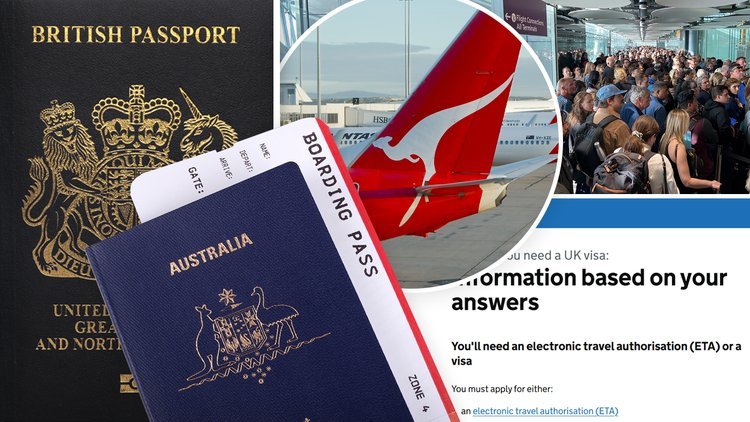
However, Thai authorities have since acknowledged that the policy has been exploited by some individuals, prompting the need for a crackdown.
According to Rachada Dhanadirek, a Thai government spokeswoman, tourists bring “benefits, such as boosting the economy”, but the current visa mode has allowed some people to “exploit it” for nefarious purposes.




Thailand’s Tourist Minister Surasak Phancharoenworakul announced the changes on Tuesday, revealing that exemptions would be determined on a country-by-country basis. Australia is among the many countries affected by the new 30-day policy, joining the likes of Japan, the US, the UK, and India.
Meanwhile, some countries, such as Cambodia and Myanmar, will be subject to even stricter restrictions, with visa exemptions limited to just 14 days.
So, what’s behind the sudden change? According to Thai authorities, the move is aimed at combating transnational crime, including sex trafficking, drug offences, and foreigners operating businesses without proper permits.
With Thailand ranking as the sixth top destination for short-term travel for Australians in 2024 and 2025, according to the Australian Bureau of Statistics Australian Bureau of Statistics, the new restrictions are set to have a significant impact on Aussie travellers.
Analysis: What This Means for Australia
The new visa restrictions are likely to have far-reaching consequences for Australian travellers, with many now facing a logistical nightmare as they scramble to adjust their plans.
Managing Director for Intrepid Travel ANZ Brett Mitchell warns that the changes will mean Australians have to be “more deliberate” about planning trips, with longer-stay travellers set to feel the effects the most.
“Travellers who were thinking about an extended stay will need to look at visa extension options or consider splitting their trip,” he says.
However, Mitchell is quick to reassure that the new change is not designed to prevent people from visiting Thailand. “Tourism is still critically important to Thailand’s economy, so this isn’t about turning visitors away,” he says.
“It’s about tightening the rules for those who’ve been exploiting them.” With the average trip time for Australians in Thailand standing at just 12 days, according to ABS data, many travellers may not be significantly impacted by the changes.
Nevertheless, the move is a stark reminder of the ever-changing landscape of international travel and the need for Australians to stay informed and adapt to new regulations.
Security analysts say the move is a necessary step in combating transnational crime, which has long been a problem in Thailand. “The Thai government is right to take action to prevent the exploitation of its visa system,” says one expert.
“This move will help to ensure that only legitimate travellers are able to enter the country, and will go some way in reducing the risk of transnational crime.” Law enforcement insiders also welcome the move, saying it will make it easier to track and monitor the movement of foreigners in the country.