Iran’s Grip on Strait of Hormuz Remains Key Sticking Point in US-Iran Talks: What This Means for Global Energy and Australia’s National Security
- A potential US-Iran agreement is on the table, but major questions remain over control of the critical Strait of Hormuz, a key shipping route for a fifth of the world’s oil trade.
- Iran’s refusal to relinquish oversight of the waterway has sparked fears of a prolonged energy crisis, with the International Energy Agency warning of a “lengthy and complex” mine-clearance operation.
- Australia’s national security is at risk due to the country’s reliance on imported oil, with the government urged to consider alternative energy sources and strengthen ties with regional allies.
- Global shipping traffic is set to remain disrupted, with commercial operators demanding guarantees of a durable ceasefire and the removal of sea mines before resuming normal operations.
The Strait of Hormuz, a vital waterway connecting the Persian Gulf to the Arabian Sea, has become a major point of contention in the ongoing US-Iran talks.
With the global energy market hanging in the balance, the stakes are high, and Australia’s national security is at risk.
According to reports, US President Donald Trump has suggested that a deal is close, but Iranian media outlets have pushed back, insisting that key clauses remain unresolved.
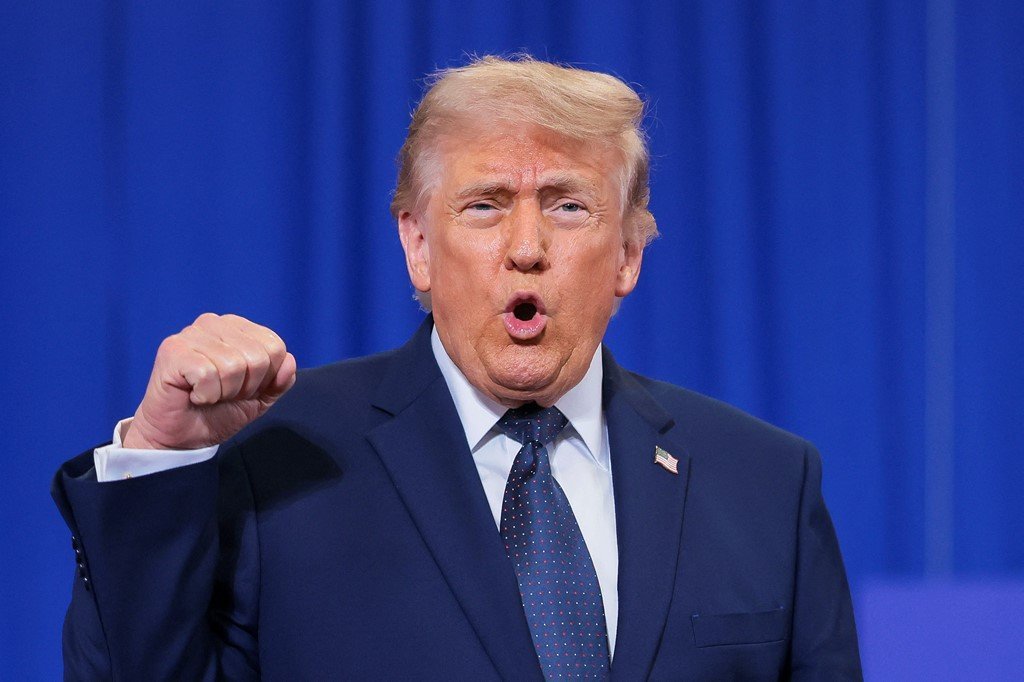
The future of the Strait of Hormuz, which has been effectively controlled by Iran since the war began in late February, is a major sticking point.
Iran has allowed only a small number of vessels to pass through, triggering a worldwide energy crisis.




The International Energy Agency (IEA) has warned that it could take “several weeks” for the US and allied naval forces to deploy sufficient mine-sweeping equipment to the region.
Until the waterway is declared safe, insurers are likely to demand naval escorts and additional security measures, increasing costs and slowing global shipping traffic. Iran’s nuclear program is another major point of contention.
Iranian foreign ministry spokesman Esmaeil Baqaei said nuclear issues were not part of the initial framework and would instead be dealt with in later negotiations. However, the US is pushing for Tehran to surrender its stockpile of highly enriched uranium.
The mechanics of this process would be discussed in a later phase of talks focused specifically on Iran’s nuclear program.
Iran has 440.9 kilograms of uranium that is enriched up to 60 per cent purity, a short, technical step from weapons-grade levels of 90 per cent.
Israel has insisted that any final agreement must completely eliminate Iran’s nuclear capabilities, while Iranian media has strongly pushed back on suggestions that Tehran has made concessions.
Sanctions relief remains another major hurdle. Iran has long demanded access to billions of dollars in frozen assets held overseas under US sanctions.
Tasnim reported that Tehran wants at least some of those funds released immediately as part of any preliminary agreement.
Analysis: What This Means for AustraliaThe ongoing US-Iran talks have significant implications for Australia’s national security.
As a major importer of oil, Australia is vulnerable to disruptions in global energy markets. The government must consider alternative energy sources and strengthen ties with regional allies to mitigate this risk.
Law enforcement insiders warn that the situation in the Strait of Hormuz could also have a ripple effect on Australia’s maritime security. “The potential for piracy and terrorism in the region is a concern for Australia, particularly given our reliance on sea trade,” one expert said.
The Australian government has been urged to take a more proactive role in promoting regional stability and security. “Australia has a vested interest in ensuring the free flow of oil through the Strait of Hormuz,” said a security analyst.
“We need to work closely with our allies to prevent any further disruptions to global energy markets.”
As the situation continues to unfold, one thing is clear: the outcome of the US-Iran talks will have far-reaching consequences for global energy markets and Australia’s national security.
Industry observers believe that the situation highlights the need for Australia to diversify its energy sources and reduce its reliance on imported oil. “The government needs to invest in renewable energy and develop a more sustainable energy policy,” said one industry expert.
“This will not only reduce our reliance on imported oil but also create jobs and stimulate economic growth.”
In the short term, the disruptions to global shipping traffic are likely to have a significant impact on Australia’s economy.
The government has been urged to provide support to affected industries and consider measures to mitigate the impact of the crisis.
As the world waits with bated breath for the outcome of the US-Iran talks, one thing is clear: the situation in the Strait of Hormuz is a ticking time bomb that could have far-reaching consequences for global energy markets and Australia’s national security.
The Strait of Hormuz, a vital waterway connecting the Persian Gulf to the Arabian Sea, has become a major point of contention in the ongoing US-Iran talks. With the global energy market hanging in the balance, the stakes are high, and Australia’s national security is at risk.
According to reports, US President Donald Trump has suggested that a deal is close, but Iranian media outlets have pushed back, insisting that key clauses remain unresolved. The future of the Strait of Hormuz, which has been effectively controlled by Iran since the war began in late February, is a major sticking point. Iran has allowed only a small number of vessels to pass through, triggering a worldwide energy crisis.
The International Energy Agency (IEA) has warned that it could take “several weeks” for the US and allied naval forces to deploy sufficient mine-sweeping equipment to the region. Until the waterway is declared safe, insurers are likely to demand naval escorts and additional security measures, increasing costs and slowing global shipping traffic.
Iran’s nuclear program is another major point of contention. Iranian foreign ministry spokesman Esmaeil Baqaei said nuclear issues were not part of the initial framework and would instead be dealt with in later negotiations. However, the US is pushing for Tehran to surrender its stockpile of highly enriched uranium. The mechanics of this process would be discussed in a later phase of talks focused specifically on Iran’s nuclear program.
Iran has 440.9 kilograms of uranium that is enriched up to 60 per cent purity, a short, technical step from weapons-grade levels of 90 per cent. Israel has insisted that any final agreement must completely eliminate Iran’s nuclear capabilities, while Iranian media has strongly pushed back on suggestions that Tehran has made concessions.
Sanctions relief remains another major hurdle. Iran has long demanded access to billions of dollars in frozen assets held overseas under US sanctions. Tasnim reported that Tehran wants at least some of those funds released immediately as part of any preliminary agreement.
The ongoing US-Iran talks have significant implications for Australia’s national security. As a major importer of oil, Australia is vulnerable to disruptions in global energy markets. The government must consider alternative energy sources and strengthen ties with regional allies to mitigate this risk.
Law enforcement insiders warn that the situation in the Strait of Hormuz could also have a ripple effect on Australia’s maritime security. “The potential for piracy and terrorism in the region is a concern for Australia, particularly given our reliance on sea trade,” one expert said.
The Australian government has been urged to take a more proactive role in promoting regional stability and security. “Australia has a vested interest in ensuring the free flow of oil through the Strait of Hormuz,” said a security analyst. “We need to work closely with our allies to prevent any further disruptions to global energy markets.”
As the situation continues to unfold, one thing is clear: the outcome of the US-Iran talks will have far-reaching consequences for global energy markets and Australia’s national security.
Industry observers believe that the situation highlights the need for Australia to diversify its energy sources and reduce its reliance on imported oil. “The government needs to invest in renewable energy and develop a more sustainable energy policy,” said one industry expert. “This will not only reduce our reliance on imported oil but also create jobs and stimulate economic growth.”
In the short term, the disruptions to global shipping traffic are likely to have a significant impact on Australia’s economy. The government has been urged to provide support to affected industries and consider measures to mitigate the impact of the crisis.
As the world waits with bated breath for the outcome of the US-Iran talks, one thing is clear: the situation in the Strait of Hormuz is a ticking time bomb that could have far-reaching consequences for global energy markets and Australia’s national security.