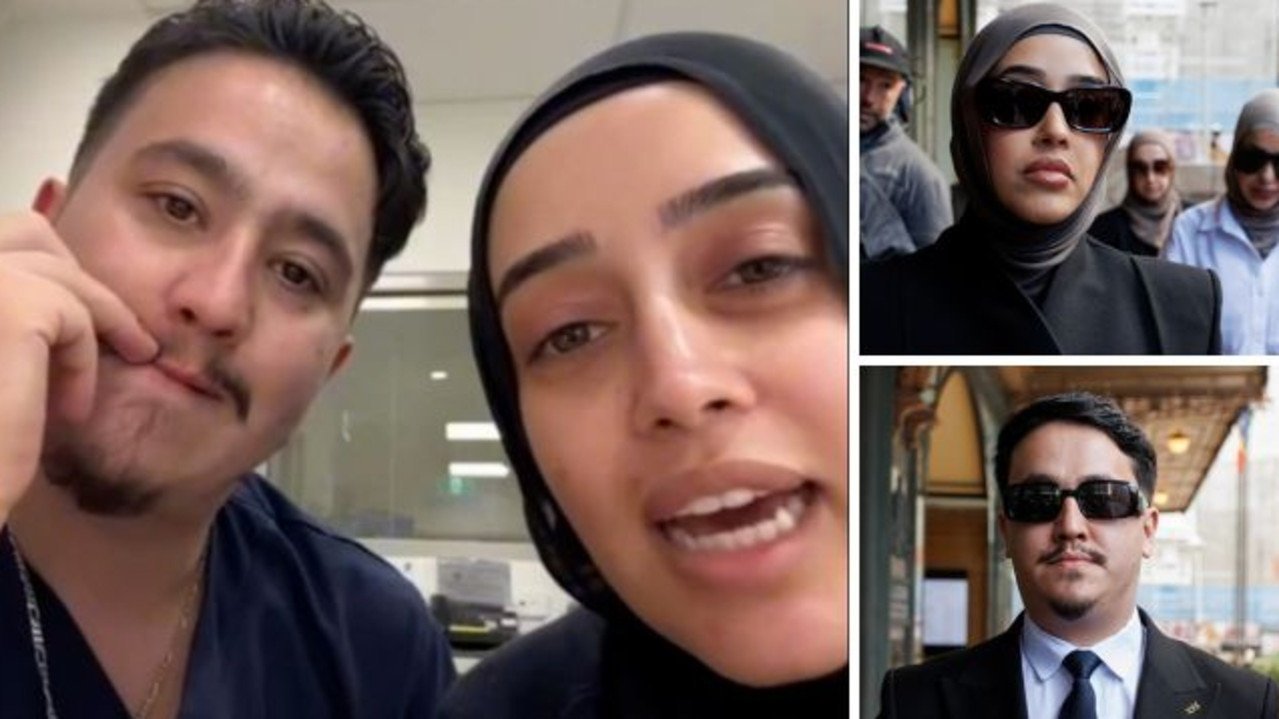
‘Journey Back from the Brink’: ISIS-Linked Women Return to Australia, But at What Cost to National Security?
- Nesrine Zahab, one of four ISIS-linked women, returns to Sydney with her 8-year-old son after years in Syria’s al-Roj camp
- Her father reveals the family’s emotional reunion, but also the challenges of reintegrating into Australian life
- As two groups of women and children linked to the Islamic State group return to Australia, concerns about national security and the risk of radicalisation grow
- Experts warn of the need for careful monitoring and rehabilitation to prevent the spread of extremist ideologies
The arrival of Nesrine Zahab and her young son in Sydney this week marked a poignant reunion for her family, but also raised pressing questions about the risks and challenges of reintegrating individuals linked to the Islamic State group into Australian society.
As two flights carrying women and children with ties to ISIS landed in Australia, concerns about national security and the potential for radicalisation are growing.
Zahab, who claims she entered Syria by mistake, spent years in the notorious al-Roj camp, where she married an ISIS fighter and had a child.
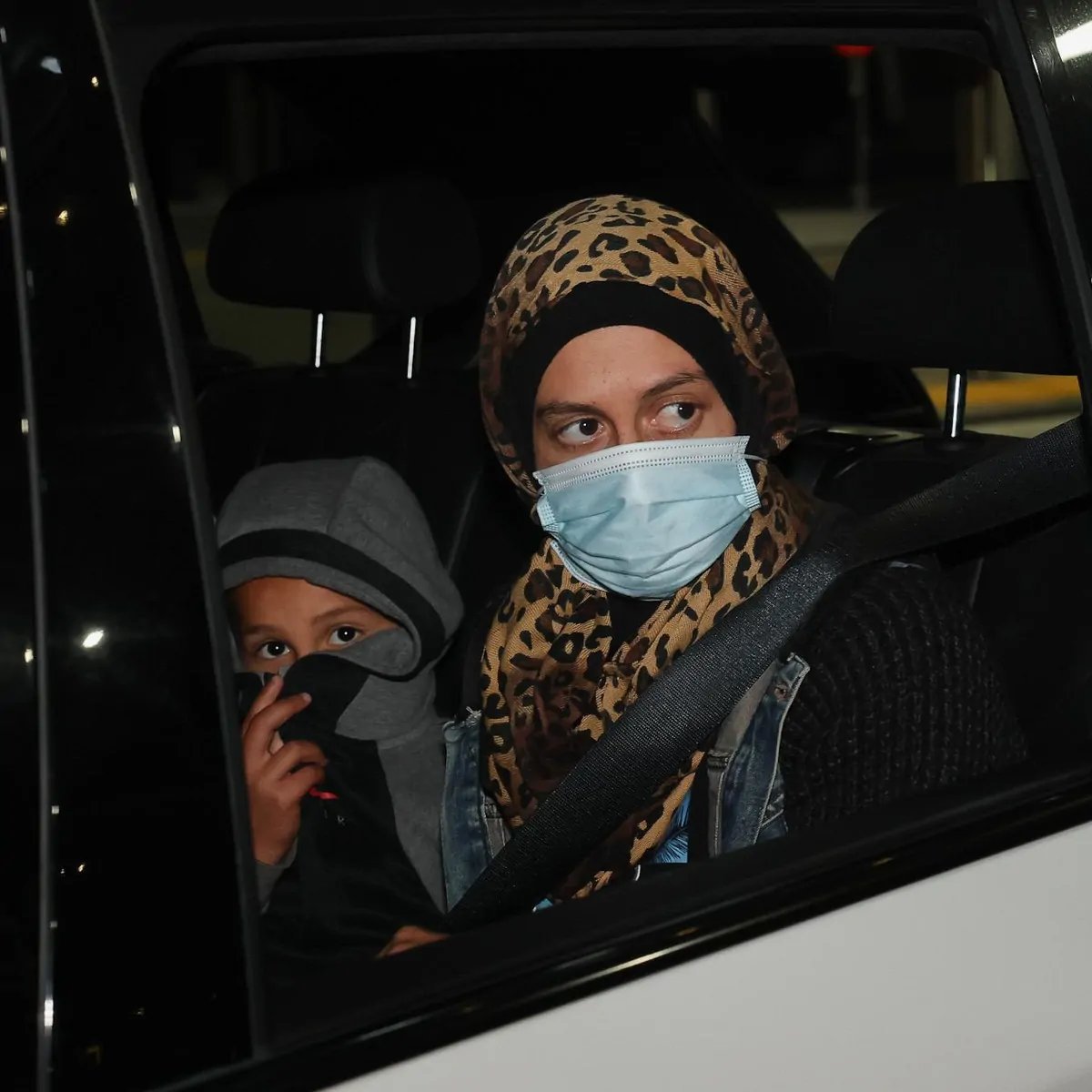
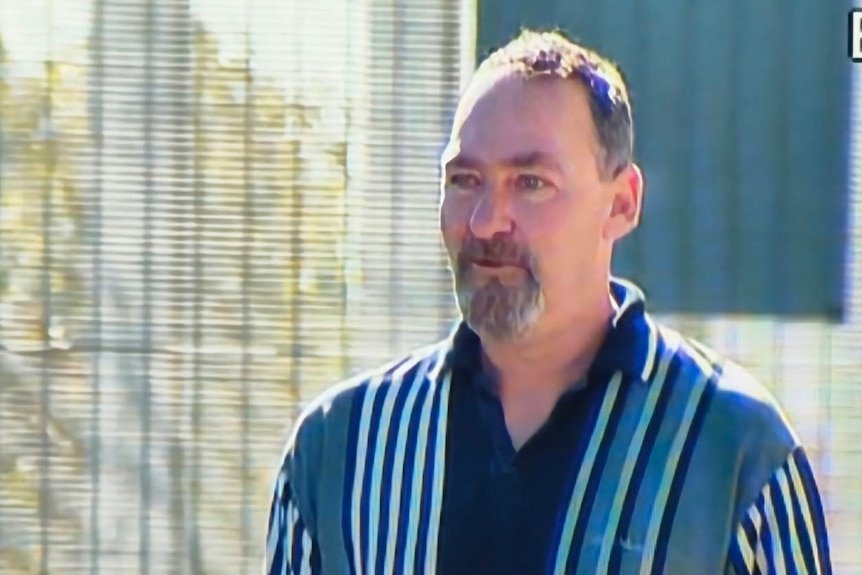
Her father, Zacharia Zahab, described the emotional reunion with his daughter, who is now in her 30s, and his 8-year-old grandson. “The first thing Nesrine wanted to do when she returned was hug us all,” he said.
“You know when people are excited, and they jump up and touch their legs together, that is what she was like, she is so happy to be home.”

However, the journey back to Australia has not been easy.
Zahab’s father revealed that his daughter had been subject to intense media scrutiny since her arrival, and the family had struggled to adjust to the attention.
“We changed some things, we had to use the bedroom for other purposes, but we have tried our best,” he said. The family’s home, where Zahab grew up, is a far cry from the tents and limited facilities of the al-Roj camp.
As the women and children settle into their new lives, experts warn of the need for careful monitoring and rehabilitation to prevent the spread of extremist ideologies.
“The risk of radicalisation is a real concern,” said one security analyst.
“These individuals have been exposed to extreme ideologies, and it’s crucial that we provide them with the support and resources they need to reintegrate into Australian society.”
Analysis: What This Means for Australia
The return of ISIS-linked women and children raises pressing questions about national security and the risk of radicalisation.
The Australian government has a responsibility to ensure that these individuals do not pose a threat to the community, while also providing them with the support and resources they need to reintegrate into society.
This requires a delicate balance between security and compassion.
The al-Roj camp, where Zahab and others were detained, is notorious for its harsh conditions and radical ideologies. The camp has been described as a “mini-caliphate” by some, where women and children are indoctrinated with extremist views.
The risk of these ideologies being brought back to Australia is a real concern, and one that must be addressed through careful monitoring and rehabilitation.
Law enforcement agencies and social services must work together to provide these individuals with the support they need to reintegrate into society. This includes access to education, job training, and mental health services.
By providing these resources, we can reduce the risk of radicalisation and help these individuals build a new life in Australia.
However, some experts warn that the challenge is not just about providing support, but also about addressing the root causes of radicalisation. “We need to understand why these individuals were attracted to extremist ideologies in the first place,” said one analyst.
“By addressing the underlying issues, we can prevent the spread of radicalisation and build a more resilient community.”
As Australia grapples with the challenges of reintegrating ISIS-linked women and children, it’s clear that there are no easy answers. However, by providing support, resources, and careful monitoring, we can reduce the risk of radicalisation and help these individuals build a new life in Australia.