Helicopter Hero Speaks Out: The Fateful Day I Rushed Michael Schumacher to Hospital After His Near-Fatal Ski Crash
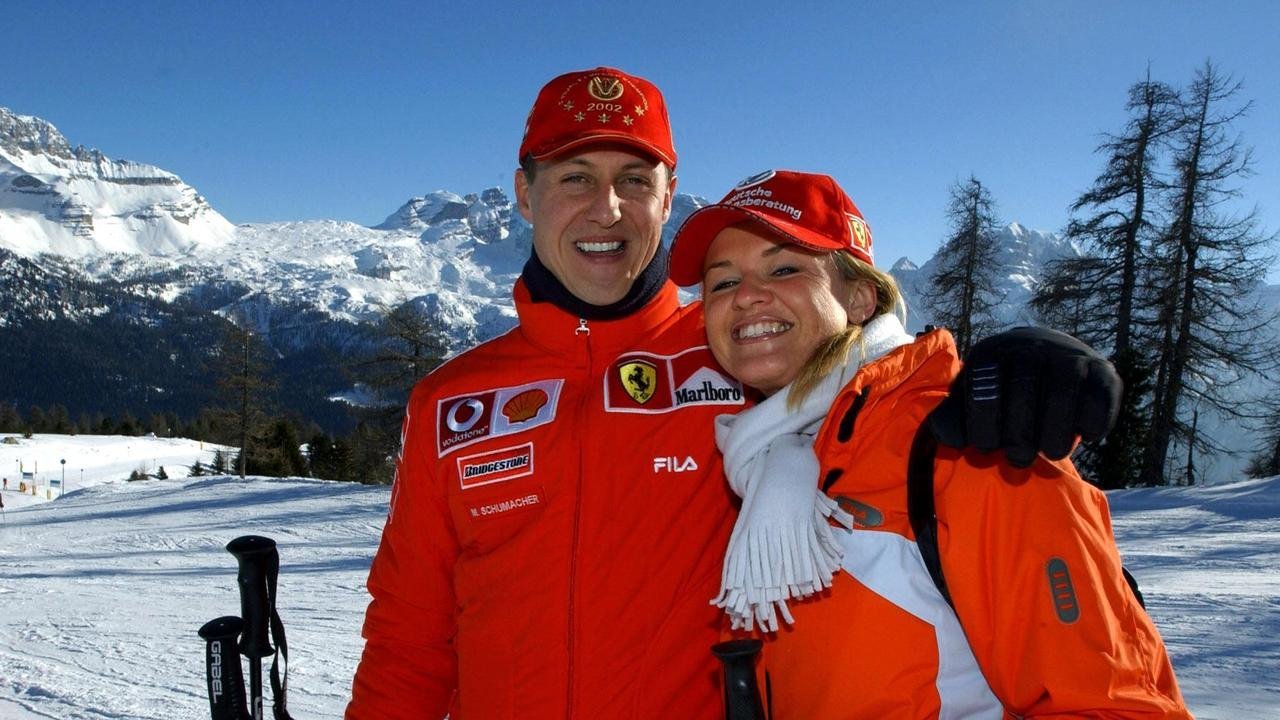
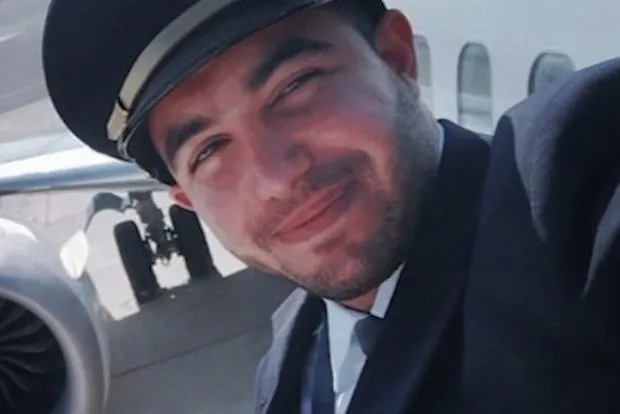
- The pilot who flew Michael Schumacher to hospital after his near-fatal ski crash has spoken out for the first time in 12 years.
- Yannick Dainese reveals the intense pressure he felt knowing he was transporting one of the world’s greatest Formula One drivers.
- The rescue mission was one of the most intense Dainese has ever faced, with the slope locked off and an eerie silence during the journey.
- Schumacher’s wife Corinna has kept his condition private, with hardly any details released since the accident in 2013.
The day of December 29, 2013, will be etched in Yannick Dainese’s memory forever – the day he flew a stricken Michael Schumacher to hospital after a devastating ski crash in the French Alps.
As a helicopter pilot for SAF Helicopteres, a company specialising in emergency medical services and mountain rescue operations, Dainese had seen his fair share of accidents, but nothing could have prepared him for the gravity of this particular mission.
It started with a serious call from the ski slopes of Meribel Alpina resort, requesting immediate assistance for a person in need of urgent medical attention.
Dainese and his team sprang into action, rushing to the scene without knowing who the injured person was. It wasn’t until they arrived on the snow that the reality of the situation sunk in.
“A rescuer jumped out of the helicopter with the doctor and said to me ‘we’re going to Schumacher!’,” Dainese recalls. “At first, I thought he was joking.

But when the commander ordered us to remove our microphones and GoPros, and to forbid journalists from accompanying us, I understood that it was true.”
Despite not being a big Formula One fan, Dainese was well aware of Schumacher’s status as one of the greatest drivers in the sport’s history. “Subconsciously, the pressure was there because I knew he was worshipped like a god,” he admits.
However, as a seasoned pilot, Dainese’s training kicked in, and he treated Schumacher like any other seriously injured person.
The atmosphere around the rescue mission was intense, with the slope immediately locked off from any skiers, leaving only Schumacher, his team, and the medics in a eerie silence.
The few minutes it took to get Schumacher onto the helicopter were a blur, with everyone focused on their task. Dainese and his partner strapped the seven-time world champion onto a vacuum mattress before transporting him to the helicopter.
The 25-minute journey to Grenoble hospital was near silent, with Dainese having no idea of the extent of Schumacher’s injuries. It wasn’t until he returned to the hospital a few days later with another injured skier that he realised the magnitude of the situation.
“What I saw shocked me: there were so many buses, red flags, and people everywhere that the hospital grounds had been transformed into a Formula 1 circuit.
It was unbelievable.”
It’s been 12 years since that fateful day, and Dainese has finally broken his silence. He chose to respect the Schumacher family’s privacy, but now feels the time is right to share his story.
Schumacher’s wife Corinna has managed to keep his condition private, with hardly any details released since the accident. The family has confirmed that he is receiving treatment, but the extent of his injuries remains a closely guarded secret.
Footage from his helmet camera revealed that Schumacher was not travelling at excessive speed when he struck a rock hidden beneath the snow, catapulting him 11.5ft forward and crashing into a boulder head-first, splitting his helmet in two.
Analysis: What This Means for Australia
While the Schumacher accident may seem like a tragic incident involving a high-profile individual, it highlights the importance of emergency medical services and the bravery of those who put their lives on the line to save others.
In Australia, we are fortunate to have a well-organised and well-equipped emergency response system, but incidents like this serve as a reminder of the risks and challenges faced by our medical responders.
As we reflect on this story, we must acknowledge the sacrifices made by individuals like Yannick Dainese, who put the needs of others before their own, and the importance of respecting the privacy of those affected by tragedy.
Security analysts say that the Schumacher accident is a prime example of how quickly situations can escalate, and the need for emergency responders to be prepared for the unexpected.
“Incidents like this highlight the importance of having a well-coordinated and well-equipped emergency response system in place,” says one analyst.
“It’s not just about responding to the immediate needs of the injured person, but also about managing the surrounding situation to prevent further harm or complications.”
As we remember the heroic actions of Yannick Dainese and the medical team that saved Schumacher’s life, we are reminded of the importance of respecting the privacy of those affected by tragedy.
The Schumacher family’s decision to keep Michael’s condition private is a testament to the challenges faced by high-profile individuals and their families in times of crisis.
celebrity privacy Australian Bureau of Statistics