Labor’s Budget Blunder: How One Nation’s Rise Exposes Deepening Generational Divide and Threatens to Upend Australian Politics
- A shocking new poll reveals Labor’s budget has failed to resonate with millennials and gen Z voters, with One Nation now leading the primary vote among young Australians.
- The Redbridge poll exposes a deepening generational divide, with 58% of gen Zs believing Australia is heading in the wrong direction and only 6% noticing “a great deal” about the budget.
- One Nation’s Pauline Hanson emerges as the preferred prime minister among gen X voters, with 30% support, as the party’s primary vote surges to 31% and threatens to win dozens of seats at the next election.
- Labor’s budget sell appears to stall, with Treasurer Jim Chalmers’ tax changes sparking backlash from young voters and financially savvy social media influencers.
The latest Redbridge poll has delivered a crushing blow to Labor’s budget hopes, revealing a staggering lack of support among young Australians.
The survey, conducted by the Australian Financial Review, RedBridge Group, and Accent Research, found that One Nation is now out-polling Labor among millennials, with 30% of the primary vote compared to Labor’s 28%.
The result is a stark warning for Labor strategists, who had designed the federal budget with intergenerational equity in mind.
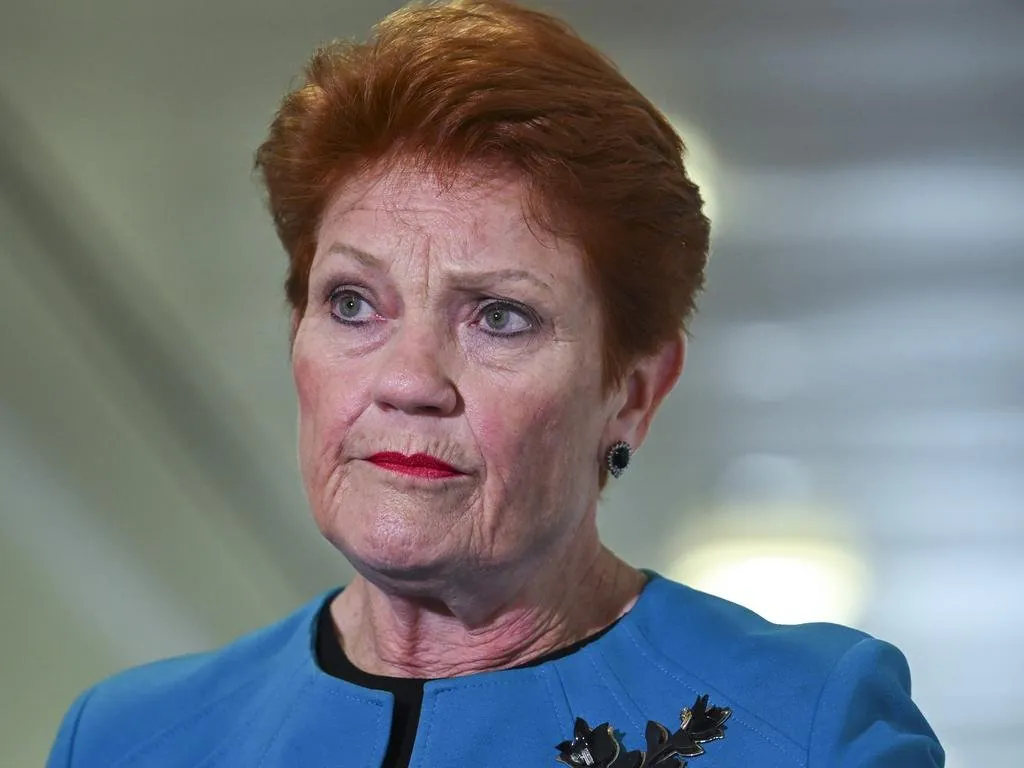
The poll’s findings are a damning indictment of Labor’s failure to connect with young voters, who are increasingly disenchanted with the major parties. Only 6% of gen Z voters reported noticing “a great deal” about the budget, while 47% said they had not noticed “very much”.
This lack of engagement is reflected in the polling, with One Nation’s primary vote surging to 31% and the party emerging as a major force in Australian politics.




But what’s driving this seismic shift in the political landscape? According to Redbridge director Tony Barry, Labor’s budget has “turbocharged” anti-establishment sentiment and pumped up One Nation’s tyres.
“Those that do know about the budget, don’t like it,” Barry said.
“Labor is losing the conversation about the budget and have a lot of ground to cover to improve voter perceptions and recover that lost primary vote.”
The government’s proposed tax changes, aimed at addressing intergenerational inequality, have sparked backlash from young voters and financially savvy social media influencers.
The changes, which include the abolition of the 50% capital gains tax discount, are designed to enable 75,000 first home buyers to enter the market over investors.
However, the move has been met with criticism from young Australians, who argue that the changes will increase their tax burden and limit their investment opportunities.
Meanwhile, One Nation’s Pauline Hanson is capitalizing on Labor’s woes, emerging as the preferred prime minister among gen X voters.
The One Nation leader, who has built a reputation as a fierce critic of the major parties, told Sky News that she would not rule out running for a seat in the House of Representatives at the next election.
“Do I want to be prime minister? Well, I’ll tell you what, I won’t knock the job… because I believe that I have the ability to do it,” Hanson said.
Analysis: What This Means for Australia
The Redbridge poll’s findings have significant implications for Australian politics, highlighting a deepening generational divide and a growing sense of disillusionment among young voters. As Labor struggles to connect with millennials and gen Z, One Nation is poised to capitalize on the major parties’ failures.
The party’s rise threatens to upend the traditional two-party system, with One Nation emerging as a major force in Australian politics.
Security analysts say that the growing disillusionment among young Australians could have significant implications for national security, as disaffected voters become increasingly susceptible to extremist ideologies.
“The rise of anti-establishment sentiment is a worrying trend, as it creates an environment in which extremist groups can thrive,” one analyst warned.
Law enforcement insiders warn that the growing divide between young and old could also have significant implications for community safety, as disaffected young people become increasingly disengaged from mainstream society.
“The failure of the major parties to connect with young Australians is a ticking time bomb, as disaffected young people become increasingly vulnerable to radicalization and recruitment by extremist groups,” one insider said.
Industry observers believe that the Redbridge poll’s findings could also have significant economic implications, as the growing divide between young and old threatens to exacerbate existing social and economic inequalities.
“The failure of the major parties to address intergenerational inequality could have significant economic consequences, as disaffected young people become increasingly disengaged from the workforce and the economy,” one observer warned.