Federal Government’s Desperate Bid to Keep Counterterrorism Funding Secret Foiled by Royal Commission
- The Royal Commission on Antisemitism and Social Cohesion has rejected the federal government’s bid to keep cabinet documents about counterterrorism funding under wraps.
- The ruling paves the way for a thorough examination of whether intelligence and law enforcement agencies did their job in the lead-up to the devastating Bondi terror attack in 2025.
- At the heart of the controversy is a question of whether the counterterrorism budget declined between 2020 and 2025, despite the government’s claims of increased funding for national security agencies.
- The commission’s decision has significant implications for national security and the government’s handling of sensitive information, with experts warning of a potential cover-up.
The Royal Commission on Antisemitism and Social Cohesion has dealt a significant blow to the federal government’s bid to keep counterterrorism funding secret, rejecting a public interest immunity claim over cabinet documents.
The ruling paves the way for a thorough examination of whether intelligence and law enforcement agencies did their job in the lead-up to the devastating Bondi terror attack in 2025.
The documents in question pertain to the counterterrorism enforcement budget and whether it declined between 2020 and 2025. The government had argued that releasing the documents would compromise national security and undermine the confidentiality of cabinet discussions.
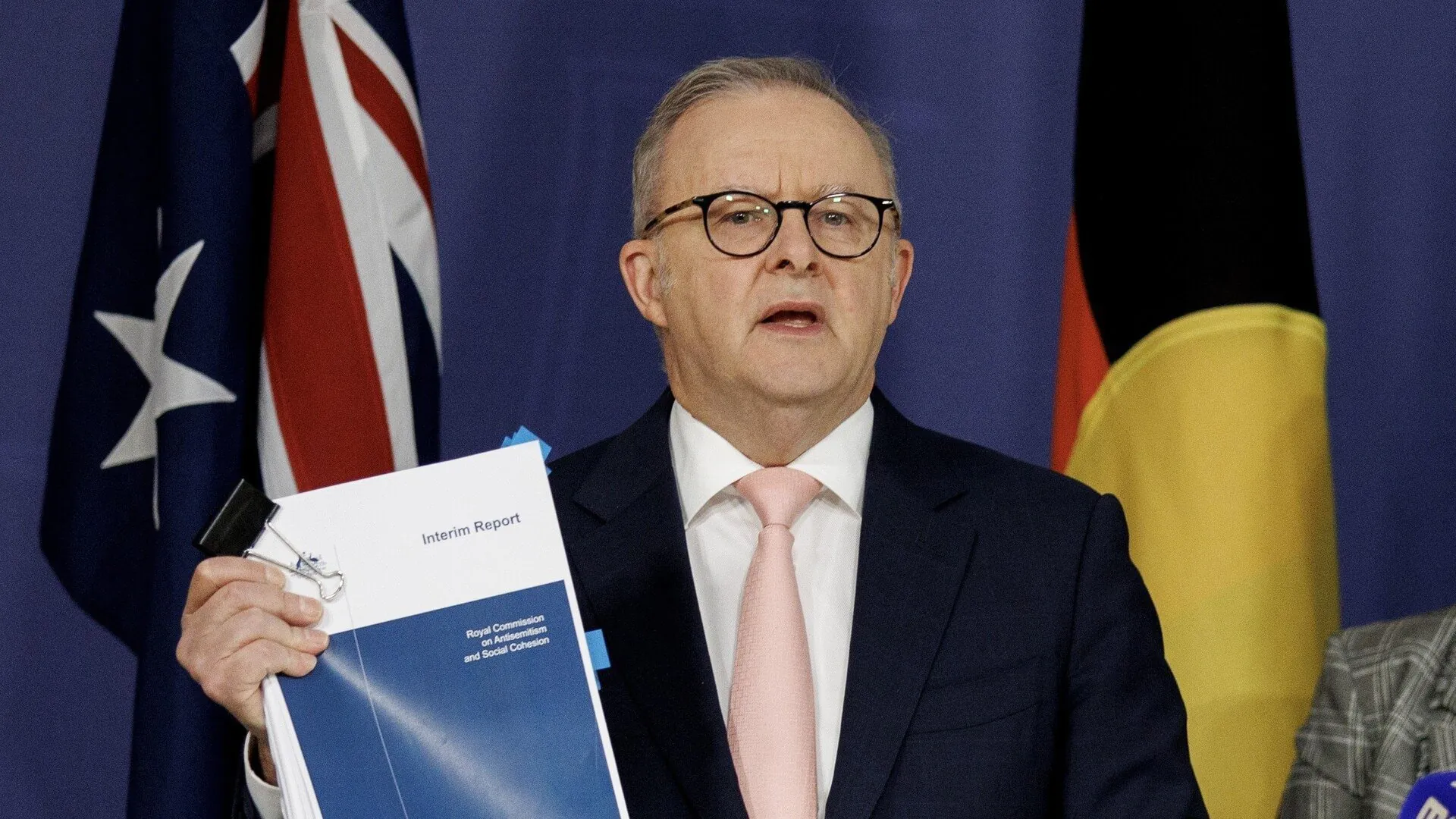
However, royal commissioner Virginia Bell found that the public interest in disclosure outweighed the need for secrecy. The controversy centers on a period of time when the terror threat level was raised to “probable” in August 2024.
The commission sought access to nine documents, including files from the Finance Department and Australian Federal Police, as well as seven cabinet memoranda. The government had repeatedly insisted that Australia’s national security agencies, including ASIO, had received funding increases since Labor came to office in 2022.

However, the commission’s ruling suggests that this may not be the case.
In her finding, Ms Bell noted that the documents were critical to allowing the commission to conduct a thorough examination of the issues raised in relation to counterterrorism funding.
The ruling also found that access to the documents would provide a comparison of the resourcing given to counterterrorism before and after the terror threat level was raised.
The government’s bid to keep the documents secret has raised eyebrows among experts, who warn of a potential cover-up. “This is a classic case of the government trying to hide behind national security to avoid scrutiny,” said one security analyst.
“The fact that the royal commission has rejected their bid for secrecy suggests that there may be something to hide.”
Analysis: What This Means for Australia
The commission’s ruling has significant implications for national security and the government’s handling of sensitive information.
If the documents reveal that the counterterrorism budget did indeed decline between 2020 and 2025, it could raise serious questions about the government’s priorities and its ability to keep Australians safe.
Law enforcement insiders warn that a decline in funding for counterterrorism efforts could have serious consequences for public safety. “If the government is not providing adequate resources for counterterrorism, it’s only a matter of time before we see another attack,” said one source.
The ruling also raises questions about the government’s accountability and transparency.
The fact that the government was willing to go to such great lengths to keep the documents secret suggests that it may be trying to avoid scrutiny.
As one industry observer noted, “This is not the behavior of a government that is confident in its decision-making.”
The commission’s decision is a significant victory for transparency and accountability, but it is only the beginning.
The real test will come when the documents are finally released and the public gets to see what the government has been trying to hide.
As one expert noted, “The truth is always the first casualty of politics, but in this case, it’s the Australian people who will ultimately pay the price.”
Expert Commentary
Security analysts say that the government’s bid to keep the documents secret is a classic example of a cover-up.
“This is not about national security, it’s about avoiding scrutiny and accountability,” said one analyst.
“The government needs to come clean about what’s really going on with counterterrorism funding.”
Law enforcement insiders warn that a decline in funding for counterterrorism efforts could have serious consequences for public safety.
“If the government is not providing adequate resources for counterterrorism, it’s only a matter of time before we see another attack,” said one source. Industry observers believe that the commission’s ruling is a significant victory for transparency and accountability.
“This is a major blow to the government’s attempts to keep sensitive information under wraps,” said one observer.
“The public has a right to know what’s going on with counterterrorism funding, and it’s time the government came clean.”
national security counterterrorism government accountability Australian Security Intelligence Organisation Australian Federal Police
The Royal Commission on Antisemitism and Social Cohesion has dealt a significant blow to the federal government’s bid to keep counterterrorism funding secret, rejecting a public interest immunity claim over cabinet documents. The ruling paves the way for a thorough examination of whether intelligence and law enforcement agencies did their job in the lead-up to the devastating Bondi terror attack in 2025.
The documents in question pertain to the counterterrorism enforcement budget and whether it declined between 2020 and 2025. The government had argued that releasing the documents would compromise national security and undermine the confidentiality of cabinet discussions. However, royal commissioner Virginia Bell found that the public interest in disclosure outweighed the need for secrecy.
The controversy centers on a period of time when the terror threat level was raised to “probable” in August 2024. The commission sought access to nine documents, including files from the Finance Department and Australian Federal Police, as well as seven cabinet memoranda. The government had repeatedly insisted that Australia’s national security agencies, including ASIO, had received funding increases since Labor came to office in 2022.
However, the commission’s ruling suggests that this may not be the case. In her finding, Ms Bell noted that the documents were critical to allowing the commission to conduct a thorough examination of the issues raised in relation to counterterrorism funding. The ruling also found that access to the documents would provide a comparison of the resourcing given to counterterrorism before and after the terror threat level was raised.
The government’s bid to keep the documents secret has raised eyebrows among experts, who warn of a potential cover-up. “This is a classic case of the government trying to hide behind national security to avoid scrutiny,” said one security analyst. “The fact that the royal commission has rejected their bid for secrecy suggests that there may be something to hide.”
Analysis: What This Means for Australia
The commission’s ruling has significant implications for national security and the government’s handling of sensitive information. If the documents reveal that the counterterrorism budget did indeed decline between 2020 and 2025, it could raise serious questions about the government’s priorities and its ability to keep Australians safe.
Law enforcement insiders warn that a decline in funding for counterterrorism efforts could have serious consequences for public safety. “If the government is not providing adequate resources for counterterrorism, it’s only a matter of time before we see another attack,” said one source.
The ruling also raises questions about the government’s accountability and transparency. The fact that the government was willing to go to such great lengths to keep the documents secret suggests that it may be trying to avoid scrutiny. As one industry observer noted, “This is not the behavior of a government that is confident in its decision-making.”
The commission’s decision is a significant victory for transparency and accountability, but it is only the beginning. The real test will come when the documents are finally released and the public gets to see what the government has been trying to hide. As one expert noted, “The truth is always the first casualty of politics, but in this case, it’s the Australian people who will ultimately pay the price.”
Expert Commentary
Security analysts say that the government’s bid to keep the documents secret is a classic example of a cover-up. “This is not about national security, it’s about avoiding scrutiny and accountability,” said one analyst. “The government needs to come clean about what’s really going on with counterterrorism funding.”
Law enforcement insiders warn that a decline in funding for counterterrorism efforts could have serious consequences for public safety. “If the government is not providing adequate resources for counterterrorism, it’s only a matter of time before we see another attack,” said one source.
Industry observers believe that the commission’s ruling is a significant victory for transparency and accountability. “This is a major blow to the government’s attempts to keep sensitive information under wraps,” said one observer. “The public has a right to know what’s going on with counterterrorism funding, and it’s time the government came clean.”
national security counterterrorism government accountability Australian Security Intelligence Organisation