Backpedal on E-Bike Ban: Queensland Government Waters Down Laws After Backlash, But Experts Warn of Safety Risks
- Children as young as 12 will be allowed to ride e-mobility devices under parental supervision, despite initial plans to ban under-16s.
- The proposed 10 km/h speed limit on footpaths has been lifted to 12 km/h, sparking concerns about pedestrian safety.
- Experts warn that the watered-down laws may not go far enough to address the “core problem” of illegal e-bikes on Queensland’s roads.
- The laws are expected to come into effect on July 1, with a six-month amnesty period for riders to ensure their devices comply with new standards.
The Queensland government has backed down on its plan to ban children under 16 from riding e-bikes and e-scooters, instead opting for a more lenient approach that allows 12- to 17-year-olds to ride under parental supervision.
The decision comes after an inquiry into e-mobility safety recommended a blanket ban on under-16s, but faced opposition from the community.
Transport Minister Brent Mickelberg announced the amendments to the proposed laws on Tuesday, which are expected to pass state parliament this week. Under the revised laws, those aged 16 or above who hold at least a learner’s permit will be allowed to ride without supervision.
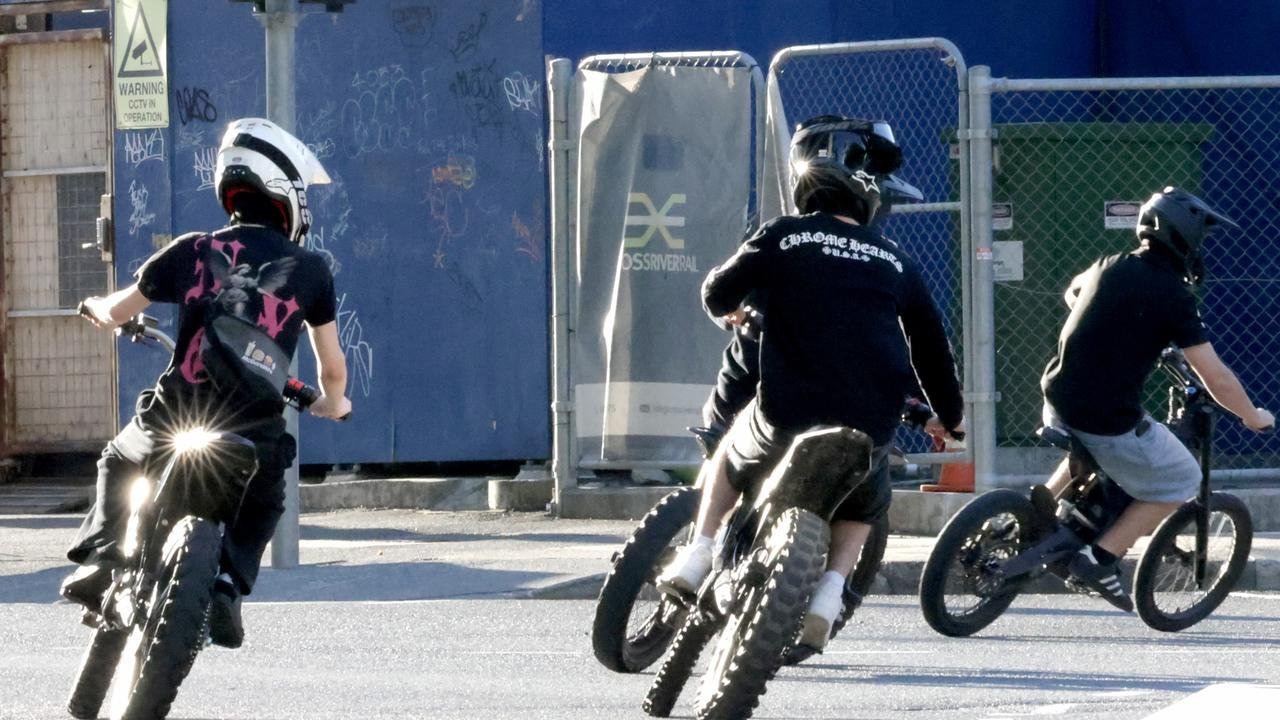
However, parents will be fined if their child under 16 is caught riding an e-mobility device illegally.
The initial proposal was met with fierce opposition from the community, with some riders protesting the planned laws. A parliamentary committee examining the bill made several recommendations that challenged the proposed changes, including the 10 km/h speed limit on footpaths.




Mr Mickelberg said that instead, a 12 km/h speed limit would apply on footpaths and when passing pedestrians on shared paths.
Analysts say the watered-down laws may not go far enough to address the safety concerns surrounding e-mobility devices. “The core problem is still the sale of illegal e-bikes that can be used on private property,” said Shadow Transport Minister Bart Mellish.
“These changes don’t address that issue, and it’s hard to say whether Labor will support the legislation without seeing the amendments.”
Security analysts warn that the revised laws may put pedestrians at risk, particularly in high-traffic areas. “A 12 km/h speed limit on footpaths is still too fast, especially in areas with high pedestrian traffic,” said one expert.
“It’s a recipe for disaster, and the government needs to reconsider its approach to e-mobility safety.”
Analysis: What This Means for Australia
The revised laws have significant implications for national safety and security. With the rise of e-mobility devices, there is a growing concern about the risk of accidents and injuries.
The Queensland government’s decision to water down the laws may be seen as a victory for riders, but it also raises questions about the government’s commitment to public safety.
Law enforcement insiders warn that the new laws may be difficult to enforce, particularly in rural areas where resources are limited. “It’s going to be a challenge to police these new laws, especially in areas where there are limited resources and infrastructure,” said one insider.
Industry observers believe that the revised laws may have economic implications for Queensland’s tourism industry. “E-mobility devices are becoming increasingly popular among tourists, and these laws may deter visitors from coming to Queensland,” said one observer.
As the laws come into effect, experts are urging the government to reconsider its approach to e-mobility safety. “Something had to be done to make e-mobility devices safer to ride,” said Katey Bates, managing director of cycling safety advocate group Amy’s Foundation.
“But we need to ensure that these laws are effective in reducing the risk of accidents and injuries, rather than just paying lip service to safety concerns.”