Breakthrough in Beirut: US-Brokered Ceasefire Deal Between Lebanon and Israel Raises Hopes for End to Deadly Conflict
- Lebanon and Israel agree to ceasefire following intense negotiations in Washington, with the US playing a key role in brokering the deal
- Hezbollah militia to evacuate from South Litani Sector, with Lebanese Armed Forces taking control to prevent further violence
- Deal contingent on complete cessation of fire from Hezbollah, with Israel and Lebanon set to hold further talks to resolve outstanding issues
The news of a US-brokered ceasefire deal between Lebanon and Israel has sent shockwaves of hope across the region, as the two countries agree to put an end to the conflict that has ravaged the border towns and cities.
The agreement, announced on Wednesday, comes after intense negotiations in Washington, with the US playing a key role in bringing the two sides to the table.
According to the joint statement released with the US, the ceasefire is contingent on a complete cessation of fire from the Iran-aligned Hezbollah militia, which has been at the forefront of the conflict.
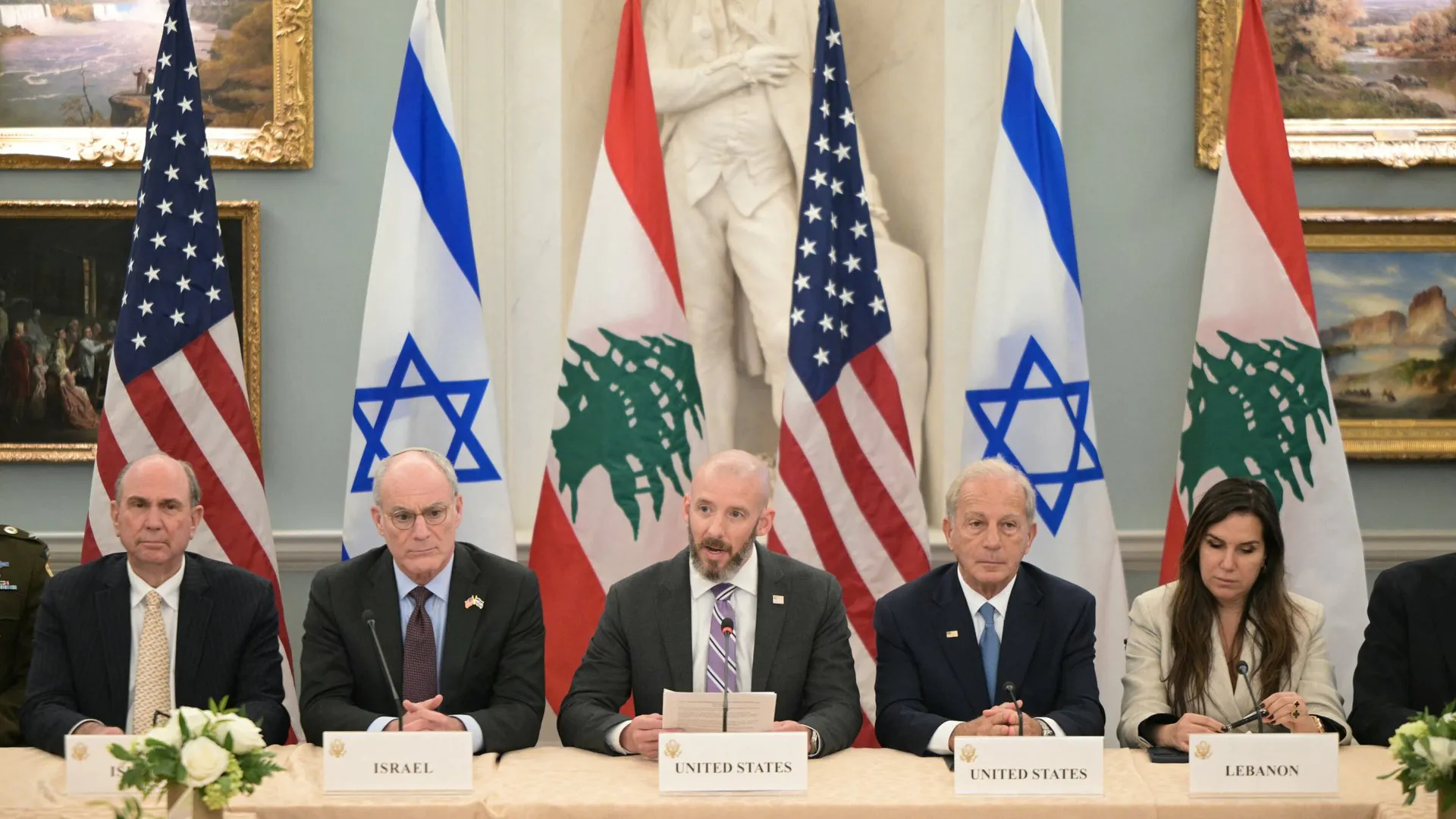
The deal also stipulates that Hezbollah operatives will evacuate from the South Litani Sector, with the Lebanese Armed Forces taking exclusive control of the territory to prevent further violence.
This move is seen as a significant concession from Hezbollah, which has long been a thorn in the side of the Lebanese government. The Israeli government has welcomed the deal, saying it will bring much-needed stability to the region.




However, the road to this ceasefire has been long and bloody. The conflict flared up in March when Israel launched a military operation in southern Lebanon, targeting Hezbollah strongholds.
The militia responded with a barrage of rocket attacks, which Israel countered with airstrikes. The violence has left dozens dead and many more injured, with civilians caught in the crossfire.
The situation has been further complicated by the ongoing war in Iran, which has seen the US and its allies launch airstrikes against Iranian targets.
Despite the challenges, the US has played a crucial role in brokering the ceasefire deal.
The agreement announced on Monday, which saw Israel step back from attacking the Hezbollah-controlled southern suburbs of Beirut, was a significant turning point in the negotiations.
The US has also been instrumental in bringing the two sides together for direct talks, which are set to resume in the week of June 22.
These talks will focus on building confidence and resolving other outstanding issues, with the aim of reaching a comprehensive agreement.
Analysis: What This Means for Australia
The ceasefire deal between Lebanon and Israel has significant implications for Australia, particularly in terms of regional security. With the conflict in the Middle East showing no signs of abating, the Australian government has been keen to promote stability in the region.
The US-brokered deal is seen as a major breakthrough, and Australian diplomats have welcomed the news.
However, security analysts warn that the ceasefire is fragile and that the situation on the ground remains volatile. “The deal is a positive step, but it’s just the beginning,” said one analyst.
“The real challenge is ensuring that the ceasefire holds and that the parties can work towards a lasting peace.” Industry observers believe that the deal could have significant economic implications for Australia, particularly in terms of trade and investment in the region.
Law enforcement insiders also point out that the deal highlights the need for greater cooperation between countries to combat terrorism and extremism. “The conflict in Lebanon and Israel is a reminder that terrorism knows no borders,” said one insider.
“The international community must work together to prevent the spread of extremist ideologies and to disrupt terrorist networks.”
As the situation in Lebanon and Israel continues to unfold, one thing is clear: the US-brokered ceasefire deal is a significant breakthrough that offers a glimmer of hope for peace in the region.
But with the conflict still simmering, it remains to be seen whether the deal will hold and whether the parties can work towards a lasting peace.