Heartbreak and Betrayal: Mother’s Agonizing Search for Son’s Remains One Year After Air India Plane Crash
- A year after the devastating Air India plane crash, a British mother’s quest for answers and her son’s remains continues, marred by shocking mistakes and bureaucratic red tape.
- Amanda Donaghey’s son, Fiongal Greenlaw-Meek, 39, was among the 241 people killed in the June 2025 tragedy, but his remains were misidentified, leaving his family in a desperate search for the truth.
- As Mrs. Donaghey prepares to travel to India once again, she reveals the harrowing details of her ordeal, including the moment she discovered the remains she received were not her son’s, but those of a “poor other person.”
- The official cause of the crash remains a mystery, but a preliminary report suggests fuel to the aircraft’s engines was cut off shortly before the disaster.
The memories of that fateful day still linger in Amanda Donaghey’s mind like an open wound.
It’s been a year since the Air India plane carrying her son, Fiongal Greenlaw-Meek, 39, and his husband Jamie, crashed minutes after takeoff from Ahmedabad, India, killing everyone on board except one miraculous survivor, and 19 people on the ground.
Yet, the grief and anguish have only intensified as she continues to search for her son’s remains, only to be met with shocking mistakes and bureaucratic red tape.
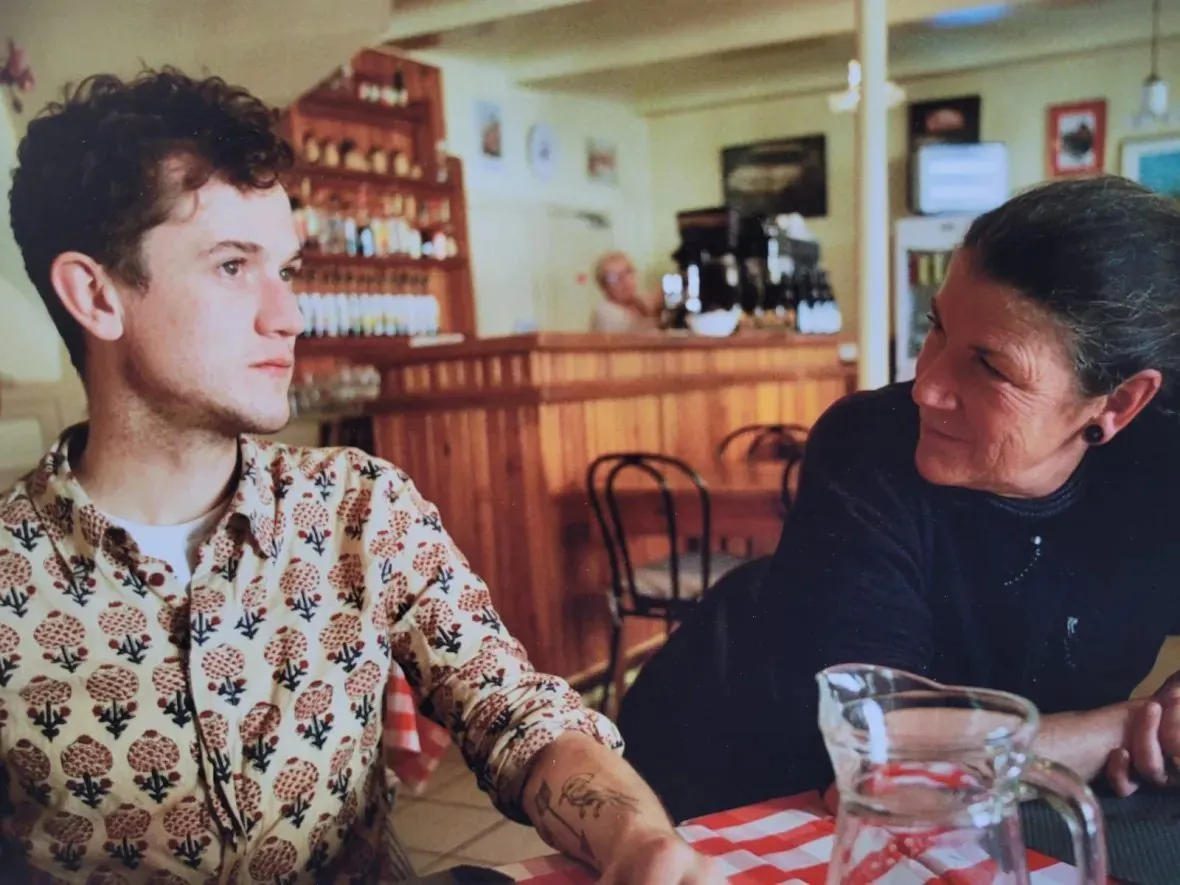
Fiongal, a UK resident, was returning home after celebrating his wedding anniversary with his husband when tragedy struck. His family, including his mother, Amanda, and sister, were left reeling from the news.
In the aftermath of the crash, Mrs. Donaghey traveled to India to provide a DNA sample to aid in the identification process.


She was later informed that a positive match had been found, and she was allowed to return to the UK with her son’s partial remains.
But in a stunning twist, the remains she received were not Fiongal’s. A call from the local coroner confirmed that the DNA did not match, leaving Mrs.
Donaghey feeling “very personally uncomfortable” and “heartbroken.” The family’s attempts to get answers have been met with “complete impotence,” with Mrs. Donaghey claiming that authorities had incinerated remains for public health reasons due to inadequate facilities to conserve the bodies.
As the one-year anniversary of the crash approaches, the official cause of the disaster remains a mystery.
A preliminary report by India’s Aircraft Accident Investigation Bureau suggests that fuel to the aircraft’s engines was cut off shortly before the crash, but the full investigation is ongoing.
The incident has raised questions about airline safety and the handling of human remains in the aftermath of a disaster.
Analysis: What This Means for Australia
The Air India plane crash serves as a stark reminder of the importance of robust safety protocols and efficient disaster response mechanisms.
As Australia continues to strengthen its ties with India, the incident highlights the need for cooperation and information sharing between the two nations to prevent such tragedies in the future.
Furthermore, the misidentification of remains and the subsequent bureaucratic hurdles faced by Mrs. Donaghey and her family underscore the importance of empathy and transparency in the aftermath of a disaster.
Security analysts say that the incident raises concerns about the potential for similar mistakes to occur in Australia, particularly in the event of a mass casualty incident.
“The misidentification of remains is a nightmare scenario for any family, and it’s essential that we learn from this tragedy to prevent it from happening again,” said one expert.
Law enforcement insiders warn that the incident also highlights the need for improved communication and coordination between agencies involved in disaster response. “The fact that Mrs.
Donaghey was informed that she had received her son’s remains, only to discover later that it was a mistake, is a clear indication of the need for better protocols and procedures,” said a source.
As Mrs.
Donaghey prepares to travel to India once again, her story serves as a poignant reminder of the human cost of tragedy and the importance of empathy, transparency, and accountability in the aftermath of a disaster.