Australia’s Housing Time Bomb: One Nation’s Confusing Policy Sparks Fears of Mass Evictions and Economic Chaos
- One Nation’s housing policy has left experts and voters baffled, with multiple members contradicting each other on key details
- The party’s plan to force foreign owners to sell their homes within two years has sparked fears of mass evictions and economic instability
- Confusion reigns over whether permanent residents will be affected, with party leader Pauline Hanson and deputy leader Barnaby Joyce giving conflicting statements
- Opposition Leader Jane Hume slams One Nation’s policy as “formative” and lacking substance, warning it could set off alarm bells for millions of Australians
The Australian housing market is on high alert as One Nation’s contentious policy to force foreign owners to sell their homes within two years continues to spark confusion and fear among voters.
The party’s plan, which would see the government repossess properties if they are not sold within the timeframe, has been marred by contradictory statements from its members, leaving experts and voters alike scratching their heads.
In a series of interviews, One Nation members have struggled to provide clarity on the policy, with deputy leader Barnaby Joyce initially stating that permanent residents would be forced to divest their properties, only to backtrack hours later.
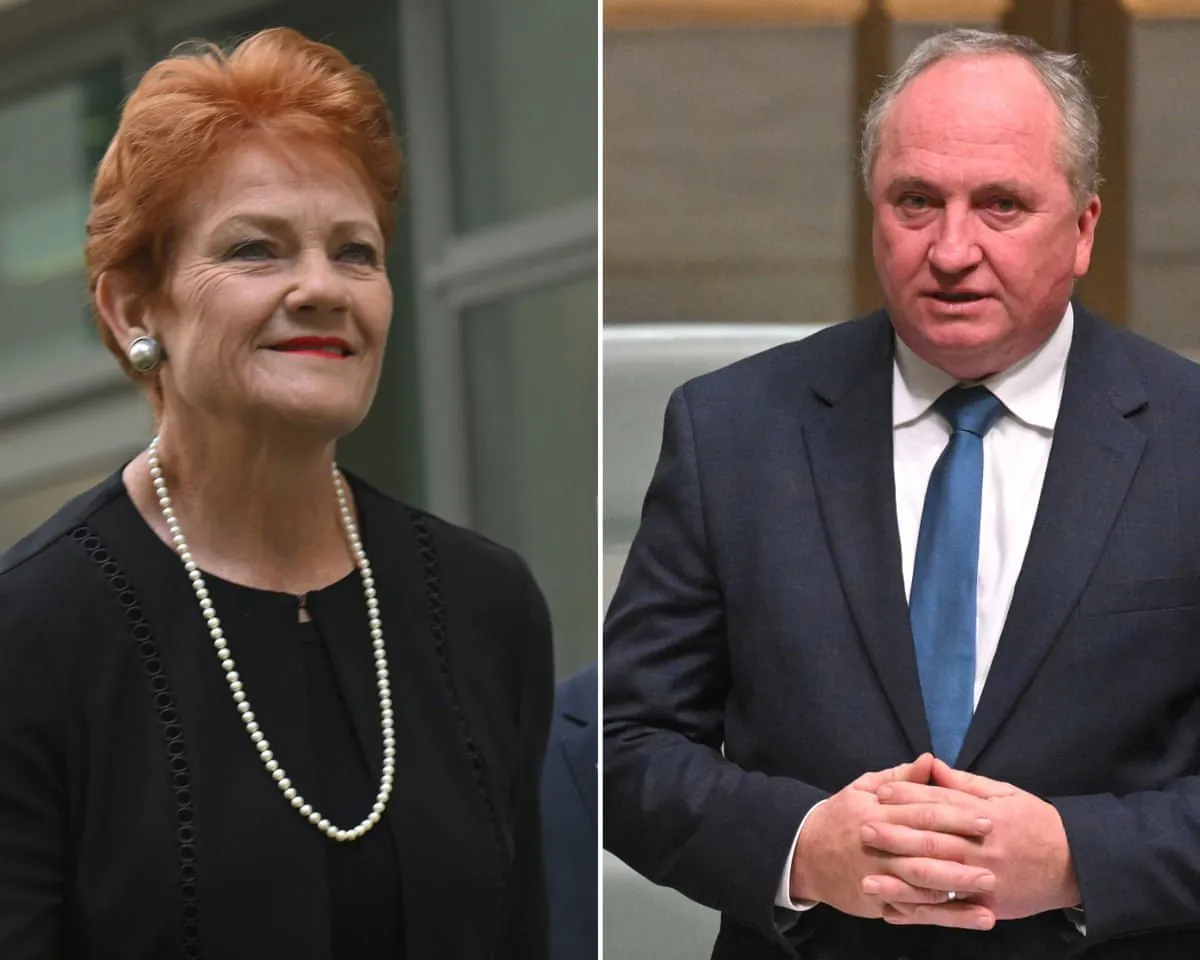
Party leader Pauline Hanson has since intervened, confirming that the measures would not affect permanent residents, but the damage may already be done.
As the debate rages on, experts warn that One Nation’s policy could have disastrous consequences for the Australian economy, with many questioning the party’s ability to implement such a drastic measure.

“If they can’t even get their own policy straight, how can they be trusted to run the country?” asks Dr. Sarah Jones, a leading economist at the University of Melbourne.
Analysis: What This Means for Australia
One Nation’s housing policy has significant implications for national security, law enforcement, and community safety.
If implemented, the policy could lead to a mass exodus of foreign investors, potentially destabilizing the housing market and having a ripple effect on the broader economy.
Furthermore, the policy raises concerns about the rights of permanent residents, who may be forced to sell their homes and relocate, potentially disrupting community cohesion and social stability.
“This policy is a recipe for disaster,” warns security analyst, David Smith.
“It’s a simplistic solution to a complex problem, and it will only serve to drive foreign investment away from Australia, harming our economy and our reputation as a stable and secure nation.”
Law enforcement insiders also warn that the policy could lead to an increase in black market activity, as desperate property owners attempt to circumvent the rules.
“We’re already seeing a rise in organized crime in the property sector,” says a senior law enforcement official. “This policy will only make things worse, and we’ll be the ones left to pick up the pieces.”
As the debate continues, one thing is clear: One Nation’s housing policy has the potential to unleash chaos on the Australian housing market, with far-reaching consequences for the economy, national security, and community safety.
As the party struggles to get its own policy straight, voters are left wondering if they can be trusted to lead the country.