‘The Devil’s Bargain’: WA Liberals’ Dalliance with One Nation Sparks Fears of a Toxic Alliance
- Basil Zempilas’s open-minded approach to working with One Nation raises concerns about the Liberal Party’s values and principles
- One Nation’s soaring popularity in WA could make it a crucial player in the next state election, but at what cost to the Liberals’ reputation?
- Experts warn that a Liberal-One Nation alliance could be a poisoned chalice, damaging the party’s chances of winning back power
- As the Liberals flirt with One Nation, Labor is playing down the threat, but insiders say the major parties must reassess their strategies to counter the rise of the minor party
The WA Liberals’ leader, Basil Zempilas, has sparked a firestorm by declaring his openness to working with One Nation, a party notorious for its extreme policies and unpredictable behavior.
Zempilas’s comments have raised eyebrows, with many wondering if the Liberal Party is willing to sacrifice its values and principles for a shot at power.
The move has been described as a “devil’s bargain” by some, who fear that an alliance with One Nation could ultimately prove toxic to the Liberals’ reputation and electoral prospects.
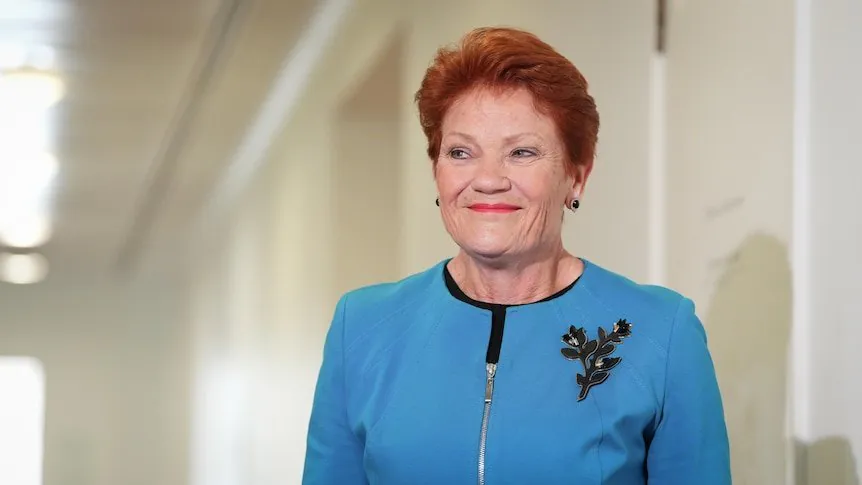
One Nation’s popularity in WA has been soaring over the past 12 months, with the party now polling at record-breaking levels. The party’s leader in WA, Rod Caddies, is confident that One Nation will win lower house seats at the next state election in 2029.
The Liberals, still reeling from their 2017 electoral drubbing, are desperate to regain power, and Zempilas believes that working with One Nation could be the key to unlocking a return to government.



However, the history of the Liberals’ dealings with One Nation is complex and fraught. In the early 2000s, then-prime minister John Howard was adamant that One Nation should be last on every Liberal how-to-vote card.
But by the 2017 state election, Howard had changed his tune, backing the WA Liberals’ decision to do a preference deal with One Nation. The deal ultimately backfired, contributing to the Liberals’ landslide loss and the perception that the party was out of touch with voters.
Former WA premier Colin Barnett has warned that the Morrison Government would be ill-advised to repeat his mistake, describing the attempt as “incredibly damaging”. Barnett’s comments are a stark reminder of the risks involved in dealing with One Nation, a party known for its unpredictability and extreme policies.
Analysis: What This Means for Australia
The WA Liberals’ flirtation with One Nation has significant implications for Australian politics. If the party is willing to compromise its values and principles to win power, what does this say about the state of our democracy?
The rise of One Nation is driven by dissatisfaction with the major parties, but it also poses a threat to the stability and cohesion of our political system.
As the Liberals weigh up the risks and rewards of working with One Nation, they must consider the long-term consequences of their actions.
“The rise of One Nation is a wake-up call for the major parties,” says Peter Kennedy, a long-time WA political observer.
“It’s a signal that voters are looking for alternatives, and that the major parties need to reassess their strategies to counter this trend.” Kennedy believes that the Liberals’ dalliance with One Nation is a calculated risk, but one that could ultimately backfire if the party is seen as compromising its values.
Security analysts say that the WA Liberals’ decision to work with One Nation could have national security implications, particularly if the party’s extreme policies are seen as being endorsed by the Liberals.
“This could damage the Liberals’ reputation and credibility on national security issues,” says one analyst. “It’s a risk that the party needs to carefully consider before making any decisions.”
As the Liberals navigate the complex landscape of WA politics, they must be mindful of the potential consequences of their actions. Will their dalliance with One Nation prove to be a clever tactical move, or a toxic alliance that ultimately destroys their reputation and electoral prospects?
Only time will tell.