Australia’s Beef Farmers on Brink of Disaster as China Slaps 55% Tariff on Exports Amid ‘Critical’ Trade War Escalation
- Australia’s beef exports to China will be hit with a crippling 55% tariff for the rest of the year after the country reached its allocated quota.
- The move has sparked fears of a devastating impact on the industry, with the Australian Meat Industry Council warning of “severe disruption” to trade flows.
- China’s decision has been labelled “disproportionate” to Australia’s longstanding trading relationship, with the country accounting for just 8% of China’s beef imports.
- The tariffs will add to the woes of Australian beef farmers, who are already facing rising domestic costs and international competition.
Australia’s beef farmers are staring down the barrel of a disaster after China slapped a 55% tariff on exports for the rest of the year. The crippling tax was triggered when Australia reached its allocated quota of 205,000 tonnes, a third lower than the previous year.
The move has sent shockwaves through the industry, with the Australian Meat Industry Council (AMIC) warning of “severe disruption” to trade flows.
The quota was introduced by Beijing at the start of the year to protect its own domestic market, but the AMIC has consistently argued that it was not reflective of demand and was disproportionate to Australia’s longstanding trading relationship.
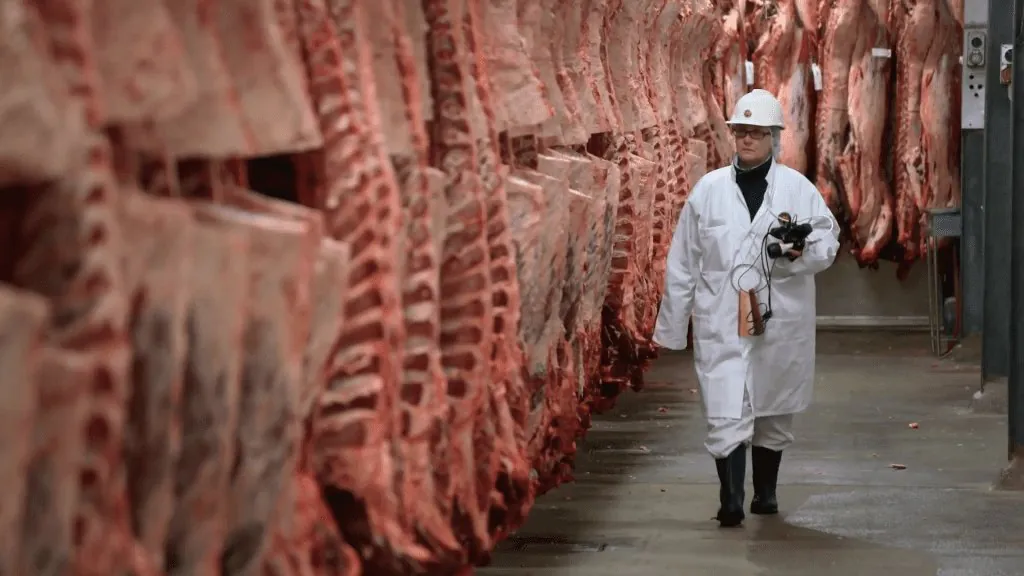
“Hitting 100 per cent of the quota is a major and consequential milestone, with immediate impacts for Australian exporters,” said AMIC chief executive Tim Ryan.
Australia’s beef exports have long been targeted by international competitors, given the demand for local beef has grown, and the safeguards put on international beef coming into the country.

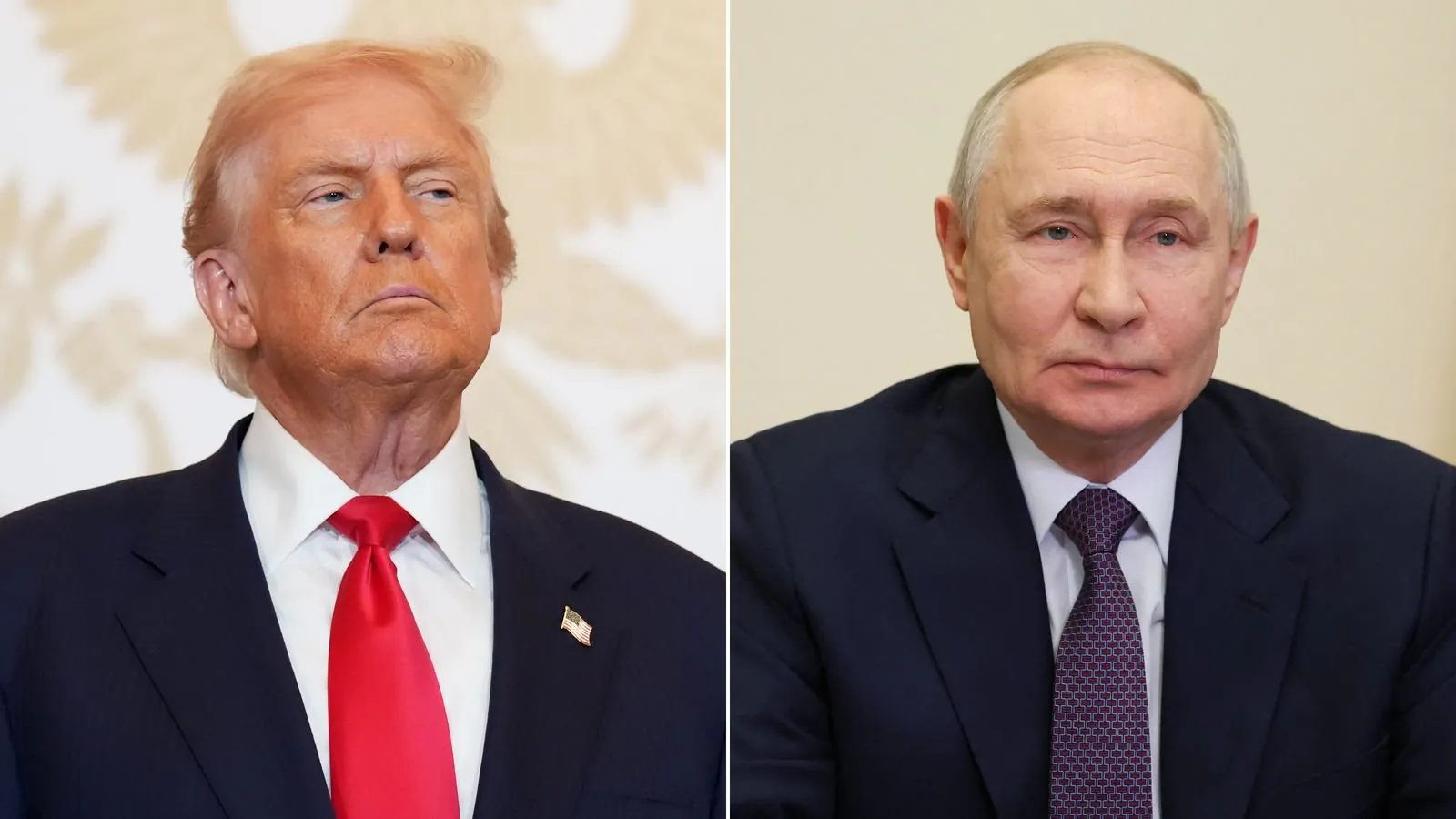

The tension has been simmering for years, with US President Donald Trump taking aim at Australian farmers in a speech in April 2025. “Australia bans – and they’re wonderful people, and wonderful everything – but they ban American beef,” President Trump said.
“Yet we imported $3bn of Australian beef from them just last year alone. They won’t take any of our beef.
They don’t want it because they don’t want it to affect their farmers.”
The implications of China’s decision are dire for Australian beef farmers, who are already facing rising domestic costs and international competition. The tariffs will add to the woes of the sector, which is struggling to stay afloat.
“The combination of external trade barriers and rising domestic costs means 2026 is an exceptionally challenging year for the sector,” said Mr Ryan.
Analysis: What This Means for Australia
The trade war escalation with China has significant implications for Australia’s national security and economy. The beef industry is a critical part of the country’s agricultural sector, and the tariffs will have a ripple effect on the entire supply chain.
The move also raises concerns about China’s commitment to free trade and its willingness to use trade as a tool for geopolitical leverage.
Security analysts say the tariffs are a clear example of China’s increasing assertiveness in the region, and its willingness to use economic coercion to achieve its goals.
“This is a wake-up call for Australia and other countries that rely heavily on trade with China,” said one analyst. “It’s a reminder that China is not afraid to use its economic power to get what it wants.”
Law enforcement insiders warn that the tariffs could also have implications for the black market beef trade, which could see an increase in illicit activity as farmers seek to circumvent the quotas.
“We’re already seeing an increase in organised crime activity in the agricultural sector, and this could be the tipping point,” said one insider.
Industry observers believe that the tariffs will also have a significant impact on the Australian economy, particularly in rural areas where beef farming is a major employer.
“This is a devastating blow to the sector, and it will have a ripple effect on the entire economy,” said one observer. “The government needs to take urgent action to support the industry and mitigate the impact of these tariffs.”