Trump Flees NATO Summit as Iran Vows ‘Hard Slap’ in Escalating Conflict: Is the US President’s Life in Danger?
- US President Donald Trump abruptly leaves NATO summit in Turkey, claiming he’s Iran’s “number one” assassination target
- Mysterious change in flight plans sparks speculation about Trump’s safety, as he boards old Air Force One instead of new Qatar-donated plane
- Iranian officials warn of a “hard slap” in response to Trump’s latest strikes, as tensions escalate in the Strait of Hormuz
- Millions attend funeral procession for Iran’s former Supreme Leader Ali Khamenei, with signs calling for Trump’s death
The US President’s sudden departure from the NATO summit in Turkey has raised eyebrows, with many speculating about the real reason behind his hasty exit. Trump, known for his bold statements, claimed he was Iran’s “number one” assassination target, citing the country’s history of eliminating its enemies.
But is there truth to his words, or is this just another example of Trump’s characteristic bravado?
According to reports, Trump was scheduled to board the new Air Force One, donated by Qatar, but instead opted for the old plane, sparking rumors about a potential threat to his life.
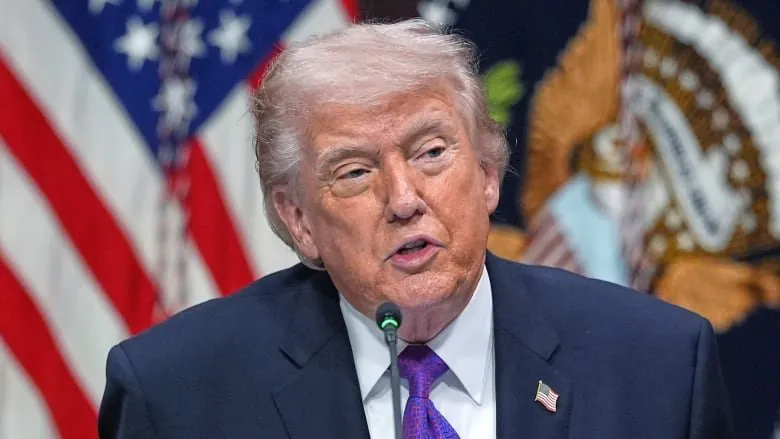
When questioned about the change in plans, Trump dodged the issue, but acknowledged that he was a potential target. “They had leaders, they’re gone.
Then they had another set of leaders, they’re gone… and you know what?


I may be gone too, because I’m their number one target,” he said.
The escalating conflict between the US and Iran has been making headlines for months, with both sides engaging in a war of words and military strikes.
The latest development came when Trump announced that the ceasefire with Iran was “over,” following fresh attacks on ships in the Strait of Hormuz. In response, Iranian officials warned the US to prepare for a “hard slap,” with explosions reported in Bahrain.
But what’s driving this escalating conflict, and what are the implications for global security? To understand the situation, it’s essential to look at the broader context.
The Strait of Hormuz, a critical waterway for fuel shipments, has become a flashpoint in the conflict between Iran and the West. Hard-liners in Iran seek lasting control over the waterway, while pragmatists want a permanent peace deal to lift international sanctions and provide economic relief.
Analysis: What This Means for Australia
The escalating conflict between the US and Iran has significant implications for Australia’s national security and economic interests. As a key player in the Asia-Pacific region, Australia relies heavily on the free flow of oil and gas through the Strait of Hormuz.
Any disruption to these supplies could have a devastating impact on the country’s economy. Furthermore, the conflict also raises concerns about the spread of terrorism and extremism in the region, which could have far-reaching consequences for Australia’s security.
Security analysts say that the conflict highlights the need for Australia to strengthen its military presence in the region and build stronger alliances with key partners.
“The situation in the Strait of Hormuz is a wake-up call for Australia to reassess its security priorities and invest in its military capabilities,” said one expert.
“The country cannot afford to be complacent in the face of growing threats in the region.”
As the situation continues to unfold, one thing is clear: the conflict between the US and Iran is far from over. With both sides dug in and refusing to back down, the world holds its breath, waiting to see what’s next.
Will Trump’s latest strikes be the spark that sets off a wider war, or can diplomacy prevail? Only time will tell.