
Bird Flu Fears Ease in Queensland After False Alarm, But Wildlife Refuge Slams ‘Confusion’ Over Sick Seabird Handling
- A leading wildlife refuge in Queensland has expressed frustration over the handling of sick seabirds amidst the bird flu outbreak, despite a false alarm over a suspected case.
- The Twinnies Pelican and SeaBird Rescue facility was relieved to learn that a sick northern giant petrel was not infected with the highly pathogenic strain, but raised concerns over confusion among authorities.
- Australia has recorded 14 cases of bird flu, with the majority found in wild migratory seabirds, and authorities have assured the public that the risk to human health remains low.
- As the virus continues to spread, a biosecurity hotline has been set up for people to report sick or dead birds, but some are being told to simply dispose of them, sparking concerns over the handling of the outbreak.
The Twinnies Pelican and SeaBird Rescue facility on the Sunshine Coast has been at the forefront of the bird flu outbreak in Queensland, taking in sick seabirds and migratory species from across the state.
However, the facility’s owners, identical twins Paula and Bridgette Powers, have expressed frustration over the handling of the outbreak, citing confusion among authorities over who should handle sick or dead birds and where they should go.
The facility was recently at the centre of a false alarm after a sick northern giant petrel was taken in, sparking fears that the highly pathogenic strain of bird flu had spread to Queensland.
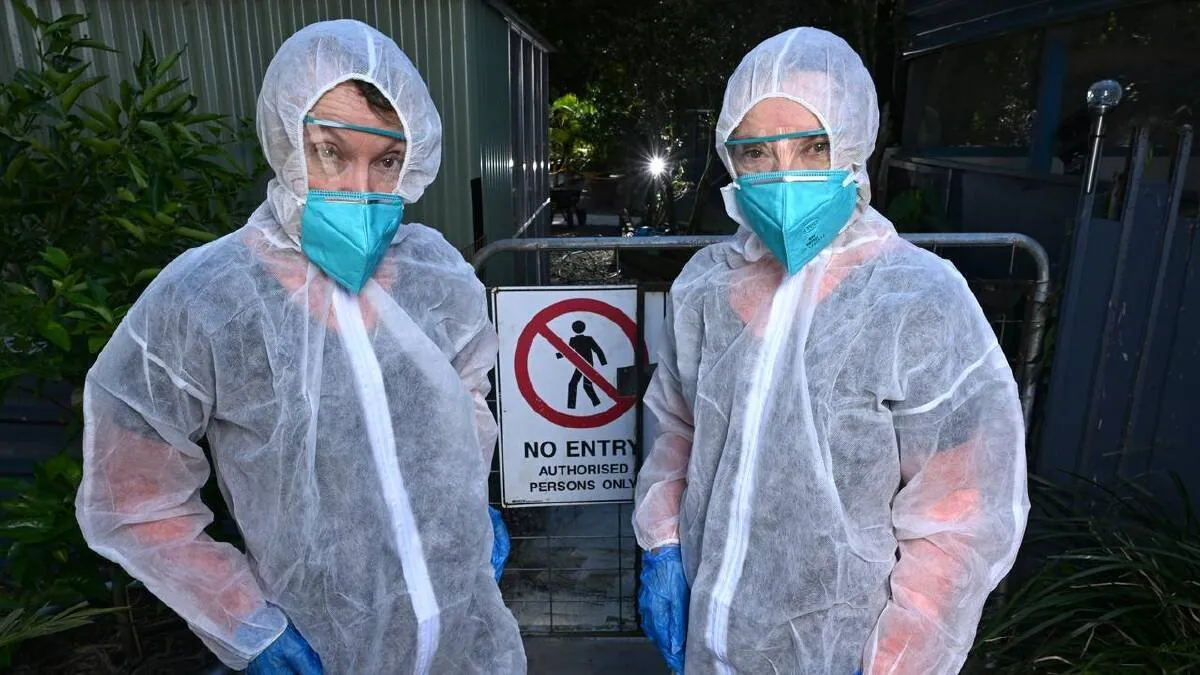
However, testing confirmed that the petrel was not infected, bringing relief to the facility and its staff. “We were very, very relieved,” said Helen Powers, the twins’ mother.
“There was a lot of worry, but we’re just glad that we can continue to do our job and help these beautiful birds.”
The false alarm came as authorities confirmed a “presumed positive” case in Western Australia, bringing the total number of cases across the country to 14.
The majority of cases have been found in wild migratory seabirds, with the Australian Chief Veterinary Officer, Beth Cookson, assuring the public that the risk to human health remains low.
“All but one have been wild migratory seabirds,” Cookson said.
“There remains no evidence of any mass mortality events and there are no detections in poultry or in our agricultural production system.”
Despite the reassurances, the Twinnies facility has been critical of the handling of the outbreak in Queensland, citing confusion over who should handle sick or dead birds and where they should go.
Paula Powers said that people were being told to call a biosecurity hotline, but that often resulted in birds being directed to the facility because it was one of the few places equipped to take seabirds and migratory species.
“We were told yesterday that coastal staff were advised to simply dispose of birds,” Powers said.
“I don’t get it – they need to get their facts right and tell people clearly what to do.”
The facility has been taking in sick seabirds from across the state, with other wildlife centres stopping taking certain species due to concerns over the outbreak.
Powers said that the facility was doing its best to cope with the influx of birds, but that more needed to be done to address the confusion and ensure that the public knew what to do.
Analysis: What This Means for AustraliaThe bird flu outbreak has raised concerns over the country’s preparedness for animal disease outbreaks and the impact on the wildlife rescue sector.
While authorities have assured the public that the risk to human health remains low, the outbreak has highlighted the need for clearer communication and coordination between agencies.
Security analysts say that the outbreak has also raised concerns over the potential for the virus to spread to poultry and agricultural production systems, which could have significant economic implications.
“The risk of the virus spreading to poultry and agricultural production systems is a concern, and it’s essential that authorities take a proactive approach to preventing this,” said one analyst.
The outbreak has also highlighted the importance of the wildlife rescue sector in responding to animal disease outbreaks. Facilities like the Twinnies Pelican and SeaBird Rescue play a critical role in taking in sick and injured wildlife and providing care and rehabilitation.
As the outbreak continues to unfold, it’s essential that authorities prioritise clear communication and coordination to ensure that the public knows what to do and that the wildlife rescue sector is equipped to respond.
Expert commentary suggests that the bird flu outbreak is a wake-up call for Australia’s biosecurity measures. “This outbreak highlights the need for Australia to review its biosecurity measures and ensure that we are prepared for animal disease outbreaks,” said one expert.
In the meantime, the public is advised to avoid contact with sick or dead birds and to report any concerns to the Emergency Animal Disease Hotline on 1800 675 888.
The Twinnies Pelican and SeaBird Rescue facility on the Sunshine Coast has been at the forefront of the bird flu outbreak in Queensland, taking in sick seabirds and migratory species from across the state. However, the facility’s owners, identical twins Paula and Bridgette Powers, have expressed frustration over the handling of the outbreak, citing confusion among authorities over who should handle sick or dead birds and where they should go.
The facility was recently at the centre of a false alarm after a sick northern giant petrel was taken in, sparking fears that the highly pathogenic strain of bird flu had spread to Queensland. However, testing confirmed that the petrel was not infected, bringing relief to the facility and its staff.
“We were very, very relieved,” said Helen Powers, the twins’ mother. “There was a lot of worry, but we’re just glad that we can continue to do our job and help these beautiful birds.”
The false alarm came as authorities confirmed a “presumed positive” case in Western Australia, bringing the total number of cases across the country to 14. The majority of cases have been found in wild migratory seabirds, with the Australian Chief Veterinary Officer, Beth Cookson, assuring the public that the risk to human health remains low.
“All but one have been wild migratory seabirds,” Cookson said. “There remains no evidence of any mass mortality events and there are no detections in poultry or in our agricultural production system.”
Despite the reassurances, the Twinnies facility has been critical of the handling of the outbreak in Queensland, citing confusion over who should handle sick or dead birds and where they should go. Paula Powers said that people were being told to call a biosecurity hotline, but that often resulted in birds being directed to the facility because it was one of the few places equipped to take seabirds and migratory species.
“We were told yesterday that coastal staff were advised to simply dispose of birds,” Powers said. “I don’t get it – they need to get their facts right and tell people clearly what to do.”
The facility has been taking in sick seabirds from across the state, with other wildlife centres stopping taking certain species due to concerns over the outbreak. Powers said that the facility was doing its best to cope with the influx of birds, but that more needed to be done to address the confusion and ensure that the public knew what to do.
The bird flu outbreak has raised concerns over the country’s preparedness for animal disease outbreaks and the impact on the wildlife rescue sector. While authorities have assured the public that the risk to human health remains low, the outbreak has highlighted the need for clearer communication and coordination between agencies.
Security analysts say that the outbreak has also raised concerns over the potential for the virus to spread to poultry and agricultural production systems, which could have significant economic implications. “The risk of the virus spreading to poultry and agricultural production systems is a concern, and it’s essential that authorities take a proactive approach to preventing this,” said one analyst.
The outbreak has also highlighted the importance of the wildlife rescue sector in responding to animal disease outbreaks. Facilities like the Twinnies Pelican and SeaBird Rescue play a critical role in taking in sick and injured wildlife and providing care and rehabilitation.
As the outbreak continues to unfold, it’s essential that authorities prioritise clear communication and coordination to ensure that the public knows what to do and that the wildlife rescue sector is equipped to respond.
Expert commentary suggests that the bird flu outbreak is a wake-up call for Australia’s biosecurity measures. “This outbreak highlights the need for Australia to review its biosecurity measures and ensure that we are prepared for animal disease outbreaks,” said one expert.
In the meantime, the public is advised to avoid contact with sick or dead birds and to report any concerns to the Emergency Animal Disease Hotline on 1800 675 888.