Family Court Nightmare: ‘I Was Torn from My Children and Left Traumatised’ – The Shocking Truth About Australia’s Flawed System
- A mother’s world was shattered when a Family Court judge handed down an order that ripped her children from her care, despite allegations of domestic violence and child abuse against her ex-husband.
- The judge’s decision was later overturned, but not before the children were left traumatized and the mother was left feeling broken and betrayed by the system.
- Experts say the Family Court is failing to protect vulnerable children and victims of abuse, with a lack of understanding of perpetrator tactics and grooming.
- A new report has found that the court’s handling of child abuse cases is woefully inadequate, with judges believing child sex abuse had occurred in just 14 per cent of cases.
Rebecca’s* world was turned upside down when she received the Family Court orders that would change her life forever.
With just over four hours’ notice, she was forced to hand her two young children, aged 4 and 7, to her ex-husband John*, despite allegations of serious domestic violence and child abuse against him.
The order was so traumatic that Rebecca almost collapsed from shock, and the children were left crying and screaming as they were torn from her arms.
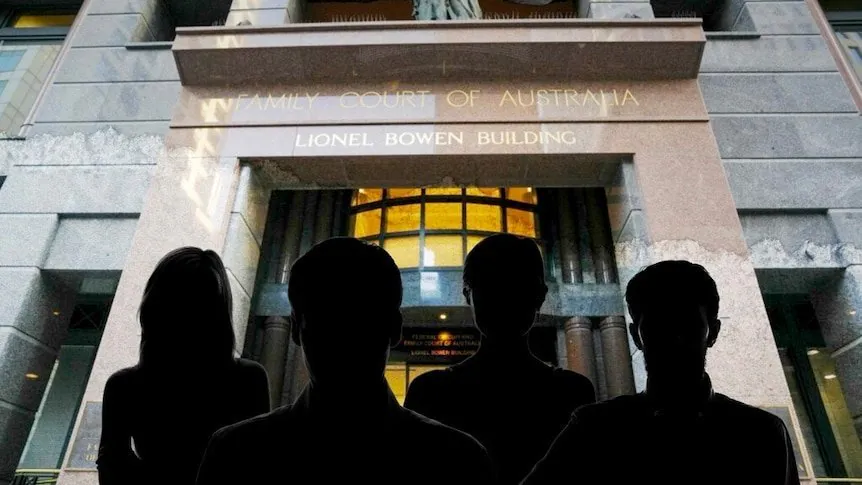
The Family Court’s decision was later overturned, but not before the children were left traumatized and Rebecca was left feeling broken and betrayed by the system.
The case highlights the flaws in Australia’s Family Court system, which experts say is failing to protect vulnerable children and victims of abuse. Rebecca’s nightmare began when she and John separated, and she made allegations of domestic violence and child abuse against him.



Despite her concerns, the court awarded John full custody of the children, citing Rebecca’s “fixed beliefs” about him as a risk to the children.
But John later admitted that he had never wanted to remove the children from their mother’s care and that his legal counsel had not adequately represented him.
The case is just one of many that have raised concerns about the Family Court’s handling of child abuse cases.
A new report by the National Centre for Action on Child Sexual Abuse has found that the court’s understanding of perpetrator tactics and grooming is woefully inadequate.
The report’s lead researcher, Dr Morag MacSween, says that the court’s failure to recognize the signs of abuse is putting children’s lives at risk.
“The smooth, calm, assertive, confident perpetrator is, on the face of it, easier to believe than the highly traumatized, vulnerable mother or child,” Dr MacSween said.
“It’s not uncommon for victims of abuse to be considered unreliable witnesses.”
The report found that Family Court judges believed child sex abuse had occurred in just 14 per cent of cases, with the remainder found to be either a mistaken belief or a false allegation.
Dr MacSween says that this is a “gross underestimation” of the true extent of child abuse.
Analysis: What This Means for AustraliaThe Family Court’s failure to protect vulnerable children and victims of abuse has serious implications for Australia’s national security and community safety.
If the court is not equipped to handle child abuse cases effectively, it can lead to further trauma and harm to the very people it is supposed to protect.
Law enforcement insiders warn that the court’s handling of child abuse cases can also have a ripple effect on the wider community, with perpetrators being allowed to continue their abuse and victims being left without justice.
“The Family Court’s failure to recognize the signs of abuse is a ticking time bomb for our community,” said one law enforcement insider.
“If we don’t get it right, we’re putting children’s lives at risk and allowing perpetrators to continue their abuse.”
Security analysts say that the court’s handling of child abuse cases is also a national security issue, with the potential for perpetrators to use the system to continue their abuse.
“The Family Court’s failure to protect vulnerable children and victims of abuse is a national security issue,” said one security analyst.
“If we don’t get it right, we’re putting our community at risk and allowing perpetrators to continue their abuse.”
Dr MacSween says that the court needs to improve its understanding of perpetrator tactics and grooming, and to provide more support to victims of abuse.
“We need to recognize that victims of abuse are not unreliable witnesses, but rather, they are the ones who are most likely to be telling the truth,” she said.
“We need to provide them with the support and protection they need to come forward and seek justice.”
The Federal Circuit and Family Court of Australia has implemented reforms to strengthen trauma-informed practice and improve the identification and management of risk, but experts say that more needs to be done.
“The court’s reforms are a step in the right direction, but we need to do more to protect vulnerable children and victims of abuse,” said Dr MacSween.
“We need to provide more support to victims, and we need to hold perpetrators accountable for their actions.”
Rebecca’s case is a stark reminder of the need for change in Australia’s Family Court system.
Her story is a testament to the trauma and harm that can be caused when the system fails to protect vulnerable children and victims of abuse.
“I no longer trust the police and I no longer trust the courts, and I no longer trust any of these professionals or safety nets,” Rebecca said.
“They’re not an option for me.”
Rebecca’s story is a wake-up call for Australia to take action and demand change in the Family Court system.
We need to do better to protect vulnerable children and victims of abuse, and we need to hold perpetrators accountable for their actions. *Names have been changed to protect the family’s identity.
Rebecca’s* world was turned upside down when she received the Family Court orders that would change her life forever. With just over four hours’ notice, she was forced to hand her two young children, aged 4 and 7, to her ex-husband John*, despite allegations of serious domestic violence and child abuse against him. The order was so traumatic that Rebecca almost collapsed from shock, and the children were left crying and screaming as they were torn from her arms.
The Family Court’s decision was later overturned, but not before the children were left traumatized and Rebecca was left feeling broken and betrayed by the system. The case highlights the flaws in Australia’s Family Court system, which experts say is failing to protect vulnerable children and victims of abuse.
Rebecca’s nightmare began when she and John separated, and she made allegations of domestic violence and child abuse against him. Despite her concerns, the court awarded John full custody of the children, citing Rebecca’s “fixed beliefs” about him as a risk to the children. But John later admitted that he had never wanted to remove the children from their mother’s care and that his legal counsel had not adequately represented him.
The case is just one of many that have raised concerns about the Family Court’s handling of child abuse cases. A new report by the National Centre for Action on Child Sexual Abuse has found that the court’s understanding of perpetrator tactics and grooming is woefully inadequate. The report’s lead researcher, Dr Morag MacSween, says that the court’s failure to recognize the signs of abuse is putting children’s lives at risk.
“The smooth, calm, assertive, confident perpetrator is, on the face of it, easier to believe than the highly traumatized, vulnerable mother or child,” Dr MacSween said. “It’s not uncommon for victims of abuse to be considered unreliable witnesses.”
The report found that Family Court judges believed child sex abuse had occurred in just 14 per cent of cases, with the remainder found to be either a mistaken belief or a false allegation. Dr MacSween says that this is a “gross underestimation” of the true extent of child abuse.
The Family Court’s failure to protect vulnerable children and victims of abuse has serious implications for Australia’s national security and community safety. If the court is not equipped to handle child abuse cases effectively, it can lead to further trauma and harm to the very people it is supposed to protect.
Law enforcement insiders warn that the court’s handling of child abuse cases can also have a ripple effect on the wider community, with perpetrators being allowed to continue their abuse and victims being left without justice.
“The Family Court’s failure to recognize the signs of abuse is a ticking time bomb for our community,” said one law enforcement insider. “If we don’t get it right, we’re putting children’s lives at risk and allowing perpetrators to continue their abuse.”
Security analysts say that the court’s handling of child abuse cases is also a national security issue, with the potential for perpetrators to use the system to continue their abuse.
“The Family Court’s failure to protect vulnerable children and victims of abuse is a national security issue,” said one security analyst. “If we don’t get it right, we’re putting our community at risk and allowing perpetrators to continue their abuse.”
Dr MacSween says that the court needs to improve its understanding of perpetrator tactics and grooming, and to provide more support to victims of abuse.
“We need to recognize that victims of abuse are not unreliable witnesses, but rather, they are the ones who are most likely to be telling the truth,” she said. “We need to provide them with the support and protection they need to come forward and seek justice.”
The Federal Circuit and Family Court of Australia has implemented reforms to strengthen trauma-informed practice and improve the identification and management of risk, but experts say that more needs to be done.
“The court’s reforms are a step in the right direction, but we need to do more to protect vulnerable children and victims of abuse,” said Dr MacSween. “We need to provide more support to victims, and we need to hold perpetrators accountable for their actions.”
Rebecca’s case is a stark reminder of the need for change in Australia’s Family Court system. Her story is a testament to the trauma and harm that can be caused when the system fails to protect vulnerable children and victims of abuse.
“I no longer trust the police and I no longer trust the courts, and I no longer trust any of these professionals or safety nets,” Rebecca said. “They’re not an option for me.”
Rebecca’s story is a wake-up call for Australia to take action and demand change in the Family Court system. We need to do better to protect vulnerable children and victims of abuse, and we need to hold perpetrators accountable for their actions.
*Names have been changed to protect the family’s identity.