
Tragedy Revisited: Former Olympian Rohan Dennis Faces Jail Time for Breaching Driving Ban After Fatal Crash That Claimed Wife’s Life
- A court warns Rohan Dennis he’ll face jail time if he drives while disqualified, but the former cyclist ignores the warning, putting his freedom and family at risk.
- The 36-year-old’s reckless behaviour comes after he was involved in a fatal crash that killed his Olympian wife Melissa Hoskins, leaving two young children without a mother.
- Dennis’s actions spark outrage, with the SA Victims Rights Commissioner calling his behaviour “deeply offensive” and demonstrating “a clear lack of insight” into the harm he’s caused.
- The case raises questions about the effectiveness of the justice system in dealing with repeat offenders and the impact on victims’ families.
It’s a tragic turn of events that has left a family shattered and a community stunned.
Former professional cyclist Rohan Dennis, once a champion on the road and track, now faces the very real possibility of jail time for breaching a driving ban.
The 36-year-old’s decision to get behind the wheel while disqualified has not only put his own freedom at risk but also the well-being of his two young children, who are still reeling from the loss of their mother, Olympian Melissa Hoskins.
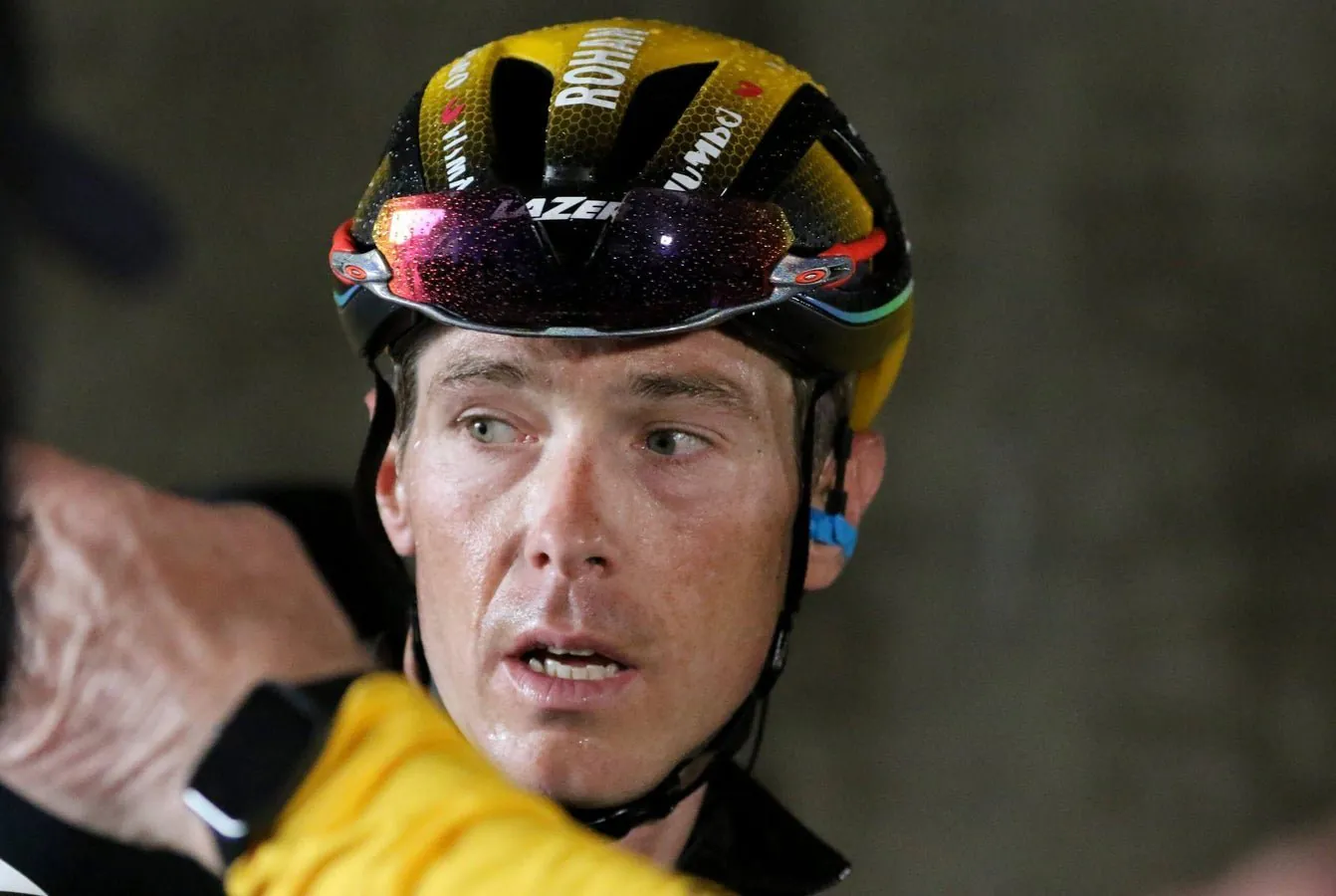
Dennis’s troubles began on December 30, 2023, when he was involved in a fatal crash that claimed the life of his 32-year-old wife.
Hoskins, a talented track cyclist who competed in the 2012 and 2016 Olympics, was struck by her husband’s vehicle near their home in Adelaide’s inner north.
She suffered serious injuries and later died in Royal Adelaide Hospital.
Fast-forward to June 11, when Dennis was reported for driving while disqualified, and his car was impounded for 28 days. The father of two was allegedly driving with two children as passengers, a move that has been widely condemned as reckless and irresponsible.
On Friday, Dennis pleaded guilty to the charge in Adelaide Magistrates Court and will appear in the District Court on September 1 for breaching a good behaviour bond.
At the heart of this tragic tale is a warning from Judge Ian Press, who sentenced Dennis to a suspended 17-month jail term and banned him from driving for five years in 2025.
The judge made it clear that any violation of the driving suspension would be a breach of the bond, and Dennis would be jailed. It’s a warning that Dennis has apparently ignored, putting his own freedom at risk and sparking outrage in the community.
SA Victims Rights Commissioner Sarah Quick was scathing in her criticism of Dennis, calling his decision to share a photo of a black Porsche on Instagram “deeply offensive” and demonstrating “a clear lack of insight into the real and lasting impact of the harm he has caused.” The post, which included the caption “What an absolute weapon,” was seen as a slap in the face to Hoskins’ family and a reflection of Dennis’s apparent lack of respect for his late wife and her loved ones.
So, what does this case say about the justice system and its ability to deal with repeat offenders?
Is it a case of a system that’s too soft on those who flout the law, or is it a complex issue that requires a more nuanced approach?
justice system As the case against Dennis continues to unfold, one thing is clear: the consequences of his actions will be far-reaching, and the impact on his family will be devastating.
Analysis: What This Means for Australia
As the Dennis case highlights, the consequences of reckless behaviour on our roads can be deadly. The incident serves as a sobering reminder of the importance of road safety and the need for drivers to take responsibility for their actions.
Law enforcement insiders warn that the case is a prime example of the need for tougher penalties for repeat offenders.
“When someone ignores a court order and gets behind the wheel while disqualified, they’re not just putting their own life at risk – they’re putting the lives of others at risk too,” says one insider.
“It’s a serious breach of trust, and the consequences should reflect that.”
For Hoskins’ family, the pain of their loss is still raw.
Her father, Peter Hoskins, has spoken publicly about the need for Dennis to take responsibility for his actions and to provide some measure of closure for the family.
“We’re not looking for revenge; we’re looking for justice,” he says. “We want Rohan to take responsibility for what he’s done and to acknowledge the harm he’s caused.”
As the Dennis case continues to unfold, one thing is clear: the consequences of his actions will be far-reaching, and the impact on his family will be devastating.
It’s a tragic reminder of the importance of road safety and the need for drivers to take responsibility for their actions. road safety
Security analysts say that the case highlights the need for a more comprehensive approach to dealing with repeat offenders. “It’s not just about tougher penalties; it’s about addressing the underlying issues that lead to this kind of behaviour,” says one analyst.
“We need to look at the root causes of this behaviour and develop strategies to prevent it from happening in the first place.”
As the community waits with bated breath for the outcome of the Dennis case, one thing is clear: the consequences of his actions will be far-reaching, and the impact on his family will be devastating.
It’s a tragic reminder of the importance of road safety and the need for drivers to take responsibility for their actions.