
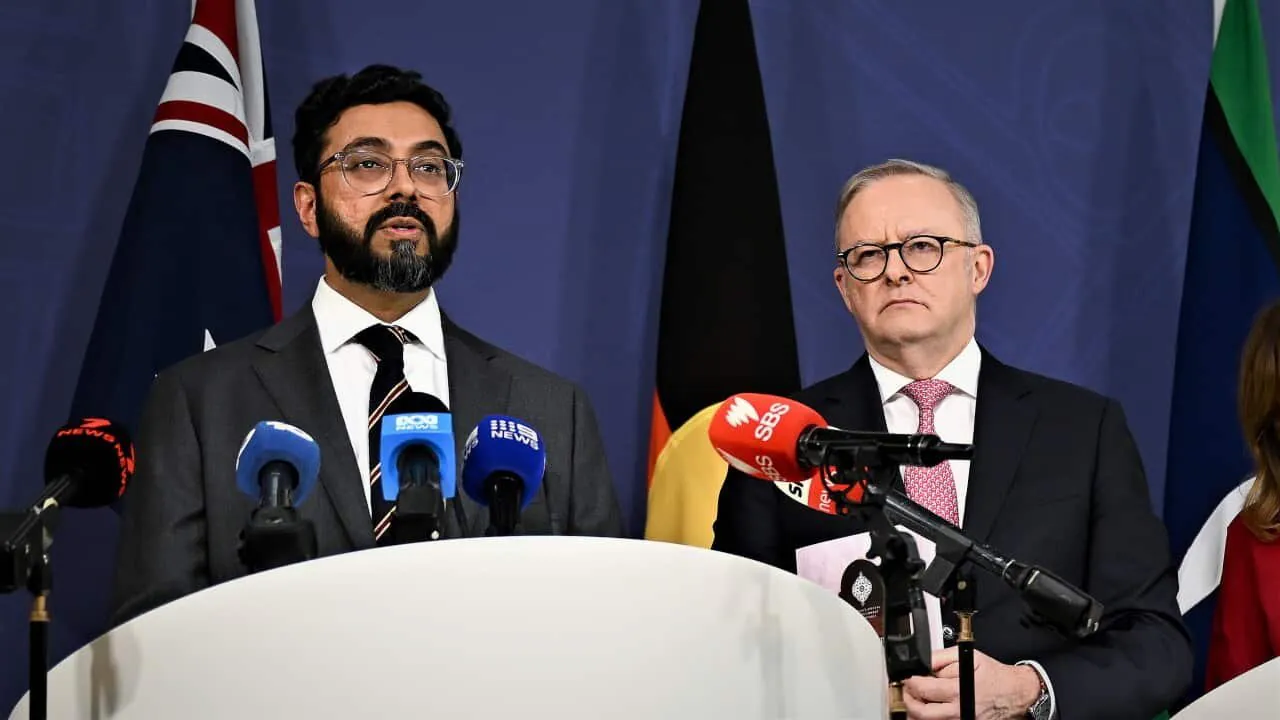
Government’s Long-Awaited Response to Islamophobia Report Sparks Debate: ‘Too Little, Too Late’?
- The Albanese government has finally responded to the special envoy’s report on Islamophobia, 10 months after its release, with a package of new measures across education and awareness.
- However, the response has been met with criticism for rejecting calls to overhaul counter-terror laws and ignoring key recommendations, sparking concerns of “too little, too late”.
- The government’s decision has been defended by Prime Minister Anthony Albanese, who claims that the response is based on “independent advice” and not a “contracted out” decision.
- Special envoy Aftab Malik has vowed to continue advocating for the recommendations that the government has not responded to, saying his report remains the “benchmark against which progress should be measured”.
The federal government’s long-awaited response to its special envoy’s report on Islamophobia has sparked debate and criticism, with many arguing that it is “too little, too late”.
The response, announced by Prime Minister Anthony Albanese on Saturday, comes 10 months after the report’s release and has been met with a mixed reaction from experts and community leaders.
At the heart of the controversy is the government’s decision to reject calls to overhaul counter-terror laws, which some argue are discriminatory and perpetuate Islamophobia.
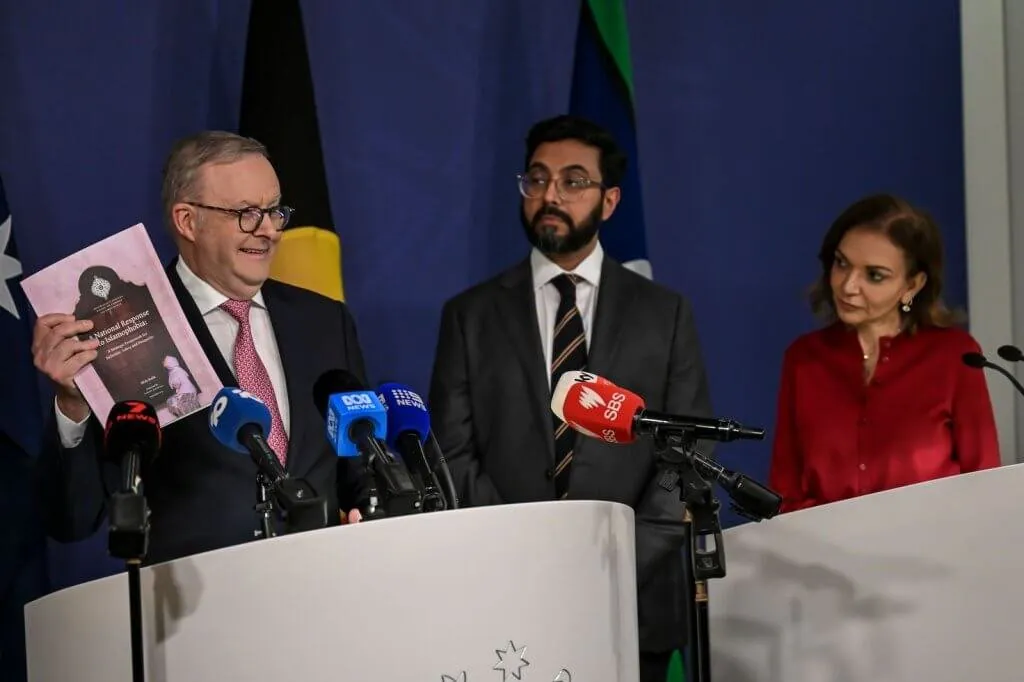
The special envoy’s report, released in September last year, made 54 recommendations, including a review of the counter-terror laws to ensure they do not unfairly target Muslim communities.
However, the government has chosen not to adopt this recommendation, citing “independent advice” from national security agencies.
Instead, the government has committed to a package of new measures across education and awareness, including the establishment of an Islamophobia Education Taskforce and an expansion of police community liaison teams.
The taskforce will include state and territory education authorities, agencies, and departments to “rapidly help the education system prevent, tackle and properly respond to Islamophobia”. A review of the Australian curriculum will also examine all forms of hatred, including Islamophobia, to “identify opportunities” to strengthen racial and religious tolerance.
However, critics argue that these measures do not go far enough in addressing the root causes of Islamophobia and that the government’s response is “too little, too late”.
Special envoy Aftab Malik has expressed disappointment at the government’s decision, saying that his report remains the “benchmark against which progress should be measured”.
Analysis: What This Means for Australia
The government’s response to the Islamophobia report has significant implications for national security, law enforcement, and community cohesion.
The decision to reject calls to overhaul counter-terror laws raises concerns about the potential for further marginalization of Muslim communities and the perpetuation of Islamophobia.
Security analysts say that the government’s approach may be seen as a missed opportunity to address the root causes of extremism and promote social cohesion.
Law enforcement insiders warn that the expansion of police community liaison teams may not be enough to address the complexities of Islamophobia and that a more comprehensive approach is needed.
Industry observers believe that the government’s response may be seen as a step in the right direction, but that more needs to be done to address the systemic issues that perpetuate Islamophobia.
As the government moves forward with its response, it is essential to consider the broader implications for Australian communities and public safety. The government must ensure that its measures are effective in addressing the root causes of Islamophobia and promoting social cohesion.
Ultimately, the success of the government’s response will depend on its ability to engage with Muslim communities and address the concerns of all Australians.