
Fuel Crisis Far From Over: Albanese Warns of Ongoing Shortages Despite Record Reserves
- Australia’s fuel reserves have hit a record high, but the Prime Minister warns the crisis is far from over
- 55 ships carrying 3.2 billion litres of fuel are set to arrive in the next four weeks, but supply issues persist
- The US-Iran conflict continues to wreak havoc on global oil prices, with Brent crude surging 9.6 per cent this week
- Australians are advised to remain cautious with fuel consumption, with the government maintaining a level two alert
The fuel crisis that has gripped Australia for months may have eased slightly, but Prime Minister Anthony Albanese is warning that the worst is far from over.
Despite a record 6.5 billion litres of fuel stockpiled across the country, the government remains on high alert, urging Australians to continue conserving fuel.
The latest figures show that 55 ships carrying a combined 3.2 billion litres of fuel are set to arrive in the next four weeks, bolstering the nation’s reserves.
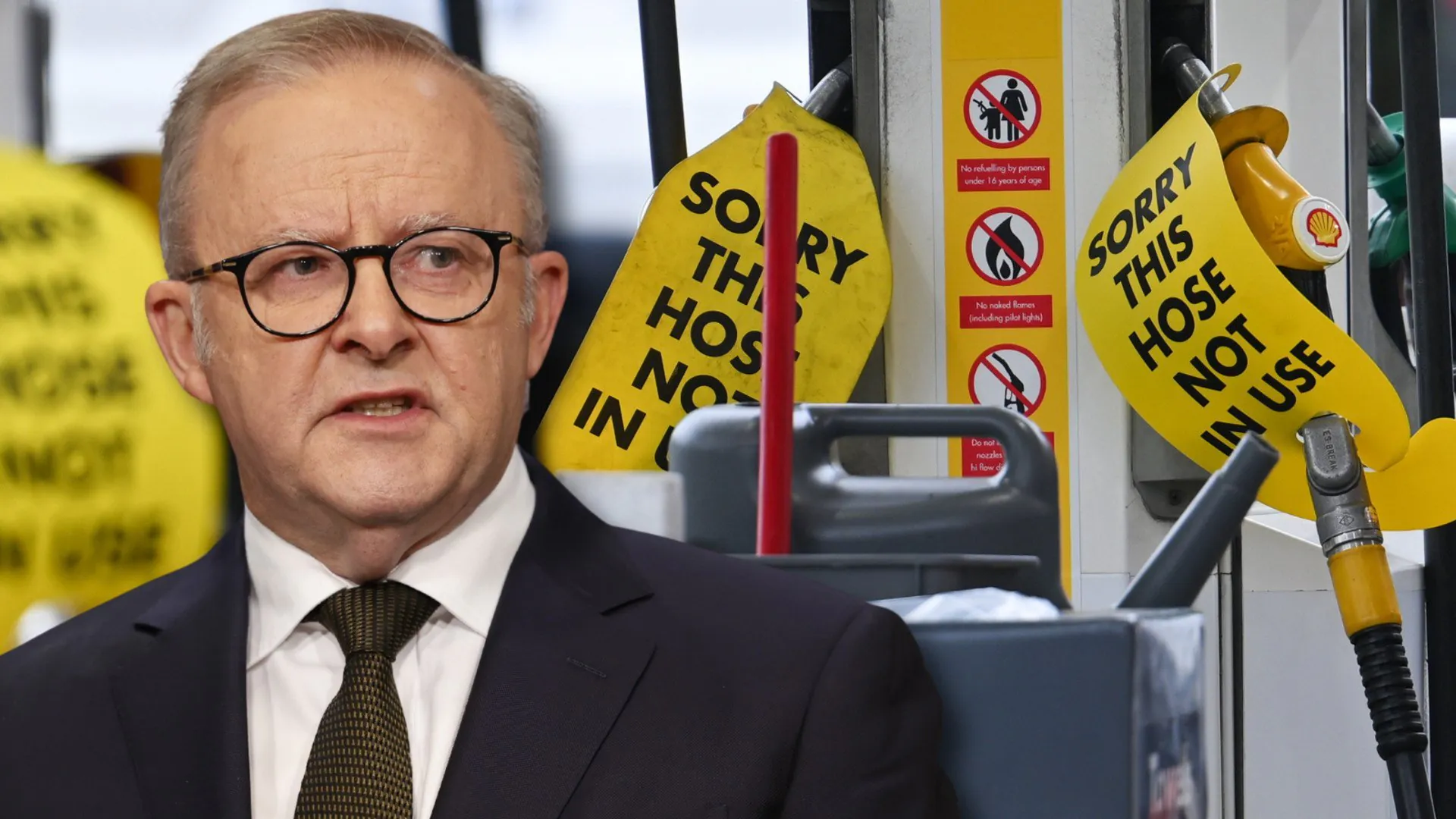
This influx of fuel has pushed Australia’s total stockpiles to their highest level since the start of the US-Iran war, with 46 days’ worth of petrol, 39 days’ worth of diesel, and 34 days’ worth of jet fuel currently stored.
However, the conflict between the US and Iran continues to cast a long shadow over the global oil market.
The closure of the Strait of Hormuz has cut off a significant portion of the world’s oil supply, sending shockwaves down the supply chain and hitting Australia hard.
The Albanese government has responded by implementing a range of measures, including the adoption of a National Fuel Security Plan, temporary cuts to the fuel excise, and expanded powers to underwrite additional fuel cargoes.
But despite these efforts, the volatility of the conflict continues to wreak havoc on global oil prices. This week, crude oil prices surged 9.6 per cent to $US83.30 a barrel, the biggest single-day jump since 2020.
The spike comes just two weeks before the fuel tax is set to revert to 52.6 cents per litre, following a temporary discount introduced in March.
Analysis: What This Means for Australia
The ongoing fuel crisis has significant implications for Australia’s national security, with the country’s fuel reserves remaining a critical vulnerability. The government’s efforts to shore up supplies have been welcomed, but experts warn that the situation remains precarious.
“The US-Iran conflict has exposed the fragility of Australia’s fuel supply chain,” says one security analyst. “The government must continue to monitor the situation closely and be prepared to respond to any further disruptions.”
The crisis also has significant economic implications, with the volatility of the oil market threatening to drive up prices and inflation. “The fuel tax increase will come at a bad time for Australian consumers, who are already facing rising costs of living,” warns an economic commentator.
“The government must consider the impact of its policies on ordinary Australians and take steps to mitigate the effects of the fuel crisis.”
Industry insiders also warn that the crisis has highlighted the need for greater investment in Australia’s fuel infrastructure.
“The government’s response to the crisis has been welcome, but it’s clear that we need to do more to secure our fuel supplies in the long term,” says one industry expert.
“This includes investing in new refineries and improving our storage capacity.”