Tasmania’s Looming Housing Crisis: How the State’s Population Slowdown Masks a Desperate Need for More Homes
- Tasmania’s population growth has slowed to 0.5 per cent, the lowest in the country, but the state still faces a severe housing shortage.
- Rising homelessness and a tight rental market are just two signs that the state’s housing supply is stretched to the limit.
- Experts warn that the state government must act now to address the crisis, which is being exacerbated by soaring building costs and a lack of affordable housing options.
- One woman’s heartbreaking story of living in a backyard shed and her car while waiting for public housing highlights the human cost of the crisis.
Tasmania’s population growth may be slowing, but the state’s housing crisis is only just beginning. Despite having one of the lowest population growth rates in the country, Tasmania is struggling to provide enough homes for its residents.
The state’s population growth rate of 0.5 per cent in the year to December 2025 is the lowest in Australia, but this mask a desperate need for more housing.
The numbers are stark.
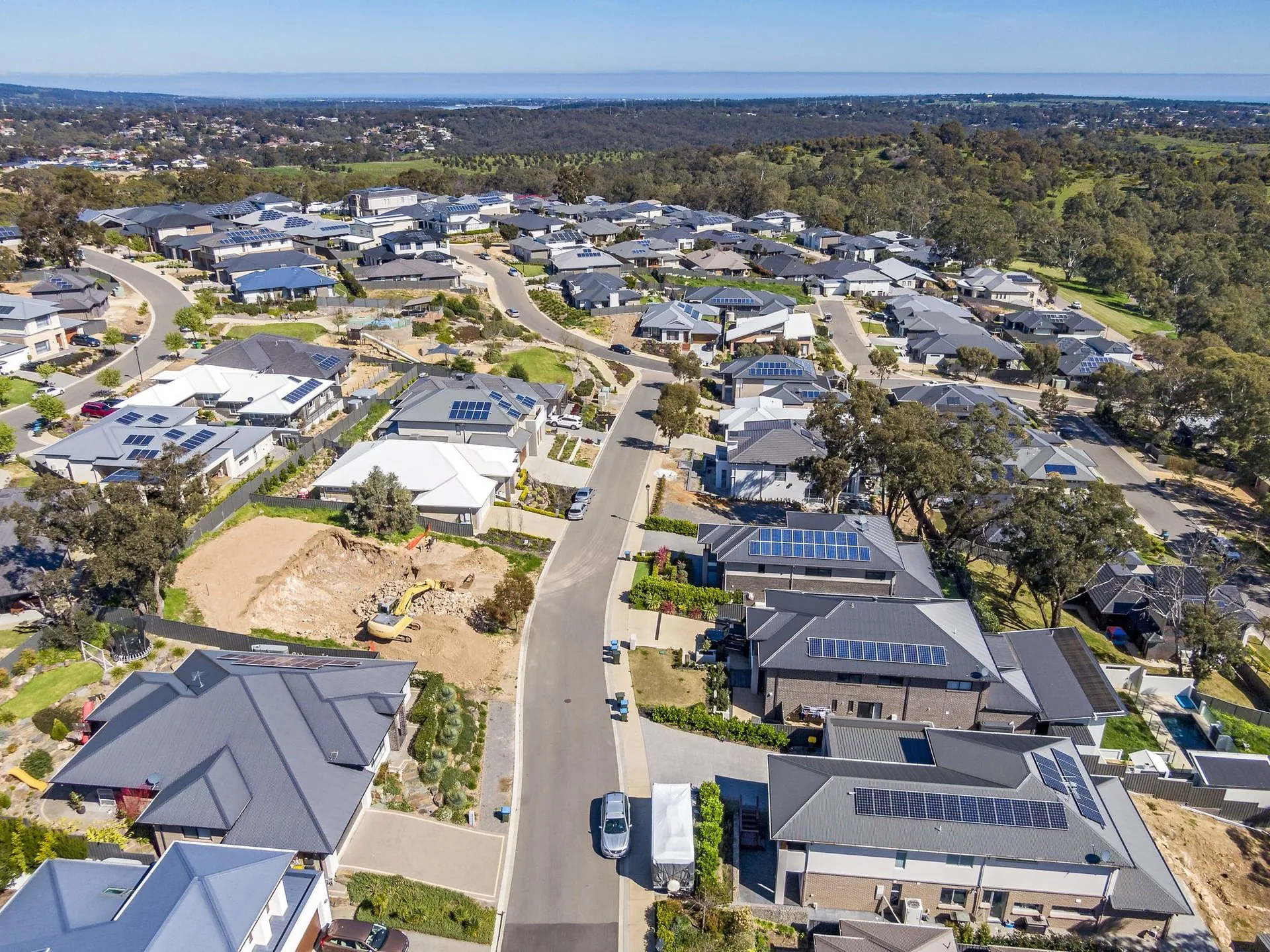
Tasmania’s population was 579,100 last December, and assuming an average of 2.5 people per household, the state would need 231,640 homes to accommodate everyone.
However, the state already has 268,900 homes, which would suggest that there should be enough to go around. But the reality is far more complex.


Many of these homes are being used for short-stay accommodation, and a significant number are sitting vacant.
Furthermore, the average household size in Tasmania is decreasing, with many families opting for smaller, more affordable homes. However, the existing housing stock does not match this demand, with the average number of bedrooms in a Tasmanian home being three to four.
This mismatch between supply and demand is exacerbating the housing crisis, with many residents struggling to find affordable and suitable housing.
The rental market is also feeling the strain, with vacancy rates at an all-time low.
In May this year, the rental vacancy rate in Hobart was just 0.6 per cent, while in Burnie and Launceston it was 0.7 per cent and 0.8 per cent respectively.
This has led to a surge in demand for affordable housing options, with 5,507 households currently on the waitlist for public housing.
For those waiting for public housing, the situation is dire. Em Simic, a victim of family violence, has been waiting for 18 months and is currently living in a private women’s refuge.
Her story is heartbreaking, having previously lived in a backyard shed and her car while waiting for a stable place to call home. “It’s very hard to remain hopeful,” she said.
So, what is being done to address the crisis?
The Tasmanian government has promised to deliver 10,000 new social and affordable homes by 2032, while the federal government has announced plans to build 1.2 million new homes by 2029.
However, experts warn that more needs to be done to address the root causes of the crisis, including the high cost of building infrastructure and the lack of affordable housing options.
Analysis: What This Means for Australia
The Tasmanian housing crisis is a wake-up call for the entire country. With the state’s population growth slowing, it may seem counterintuitive that there is a housing shortage.
However, the reality is that the state’s housing supply is not keeping pace with demand, and the consequences are being felt by the most vulnerable members of society.
Security analysts say that the Tasmanian government needs to take a more proactive approach to addressing the crisis, including increasing funding for affordable housing initiatives and providing incentives for developers to build more affordable homes.
The state government must also work to reduce the cost of building infrastructure, which is a major barrier to the development of new housing.
Law enforcement insiders warn that the housing crisis is having a broader impact on public safety, with many people being forced to live in substandard or overcrowded conditions.
This can lead to increased tensions and conflicts, which can have serious consequences for community safety.
Industry observers believe that the Tasmanian government’s plan to deliver 10,000 new social and affordable homes by 2032 is a step in the right direction, but more needs to be done to address the root causes of the crisis.
They argue that the state government needs to take a more holistic approach to addressing the crisis, including increasing funding for affordable housing initiatives and providing incentives for developers to build more affordable homes.