‘Forever Chemical’ Frenzy: Australia’s Controversial Pesticide Proposal Sparks Outrage Amid Fears for Human Health and the Environment
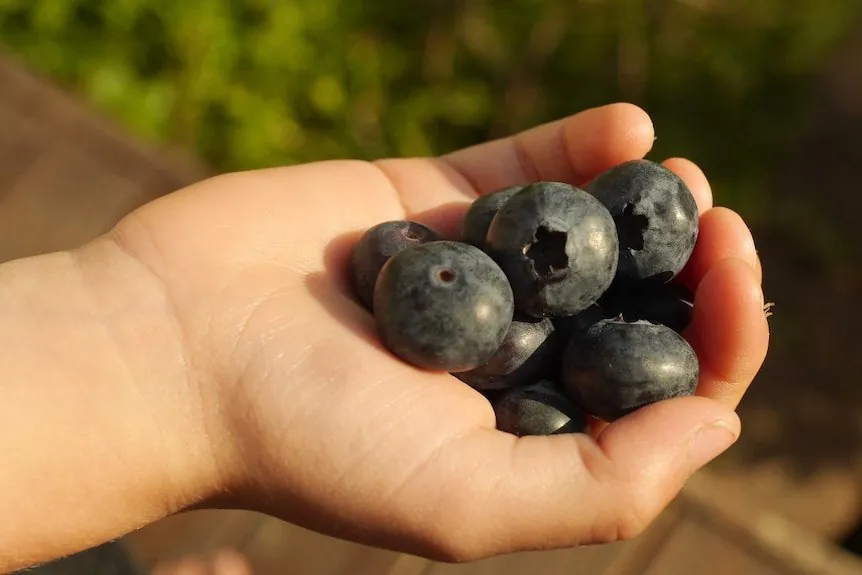
- The Australian Pesticides and Veterinary Medicines Authority (APVMA) has proposed a 500-fold increase in the maximum residue level of the pesticide isocycloseram on berries sold in Australia, sparking widespread anger among anti-pesticide campaigners.
- Isocycloseram has been linked to serious health and environmental concerns, with opponents warning of a “forever chemical” that poses a significant risk to human health.
- Despite assurances from the APVMA and Food Standards Australia New Zealand (FSANZ) that the pesticide is safe, critics argue that the decision ignores mounting evidence of its dangers.
- As the APVMA considers public comment on the proposal, Australians are left wondering whether their beloved berries are about to become a toxic ticking time bomb.
The proposal to increase the maximum residue level of isocycloseram on berries sold in Australia has sparked a firestorm of controversy, with opponents warning of catastrophic consequences for human health and the environment.
At the centre of the storm is the Australian Pesticides and Veterinary Medicines Authority (APVMA), which has been accused of putting the interests of big business ahead of public safety.
Isocycloseram, a pesticide manufactured by Syngenta, was first approved for use in Australia in 2021, despite being banned in Europe and facing intense scrutiny in the United States.
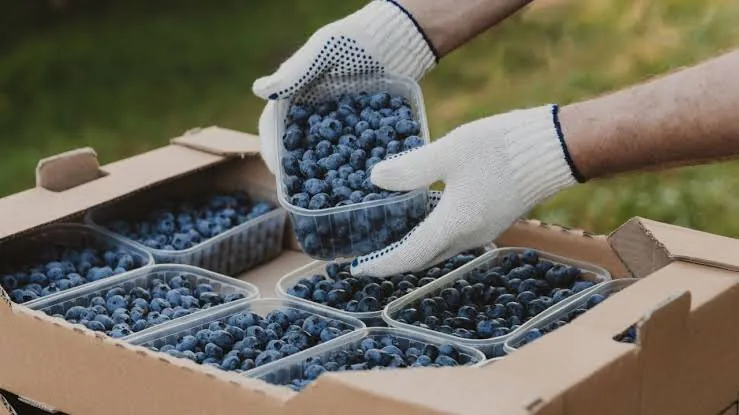
The APVMA initially approved the pesticide for use on vegetable crops, before expanding its use to include tree crops and eventually berries.
But now, the regulator is proposing to raise the maximum residue level of the pesticide on berries by a staggering 500-fold, sparking widespread outrage among anti-pesticide campaigners.


Josh Davis, executive director of Pesticide Action Australia, is one of the most vocal critics of the proposal. “Isocycloseram is a forever chemical that poses a significant risk to human health and the environment,” he warns.
“The APVMA’s decision to increase the maximum residue level is a recipe for disaster, and we will fight tooth and nail to stop it.” Davis argues that the pesticide is part of a broader problem, with serious implications for rural communities, the environment, and eventually, consumers.
But the APVMA and Food Standards Australia New Zealand (FSANZ) insist that the pesticide is safe, citing rigorous testing and safety margins. “MRLs are set far, far below health limits,” an APVMA spokesperson said.
“Exposure in the real world would be hundreds or thousands of times lower than what is assumed for the sake of assessment under worst-case scenarios.” However, critics argue that the regulator’s assessment is flawed, and that the decision ignores mounting evidence of the pesticide’s dangers.
Security analysts say the proposal highlights a broader issue with Australia’s regulatory framework, which they argue is too lenient on big business. “The APVMA’s decision to approve isocycloseram despite concerns from other countries is a clear example of the regulator’s capture by industry interests,” one analyst said.
“This is a classic case of regulatory failure, and it’s the Australian public that will pay the price.”
Analysis: What This Means for Australia
The proposal to increase the maximum residue level of isocycloseram on berries sold in Australia has serious implications for the country’s food safety and environmental security.
If approved, the pesticide could contaminate Australia’s food chain, posing a significant risk to human health. The decision also raises questions about the APVMA’s independence and its ability to regulate big business.
Law enforcement insiders warn that the proposal could also have serious consequences for Australia’s agricultural industry, which is already under pressure from drought, bushfires, and market fluctuations.
“If the APVMA approves this proposal, it will send a message to farmers that they can use whatever chemicals they like, without fear of regulation,” one insider said.
“This will have serious consequences for the environment and public health.”
Industry observers believe that the proposal is a test case for the APVMA’s willingness to stand up to big business. “If the regulator caves to industry pressure and approves this proposal, it will be a clear sign that it is not independent,” one observer said.
“This will have serious implications for Australia’s regulatory framework and the country’s ability to protect its citizens.”
As the APVMA considers public comment on the proposal, Australians are left wondering whether their beloved berries are about to become a toxic ticking time bomb.
One thing is certain: the decision will have serious consequences for the country’s food safety, environmental security, and regulatory framework.