‘Witch-Hunt’ Politics: How a Sexist Billboard is Fueling a Culture of Disrespect and Violence Against Women in Australia
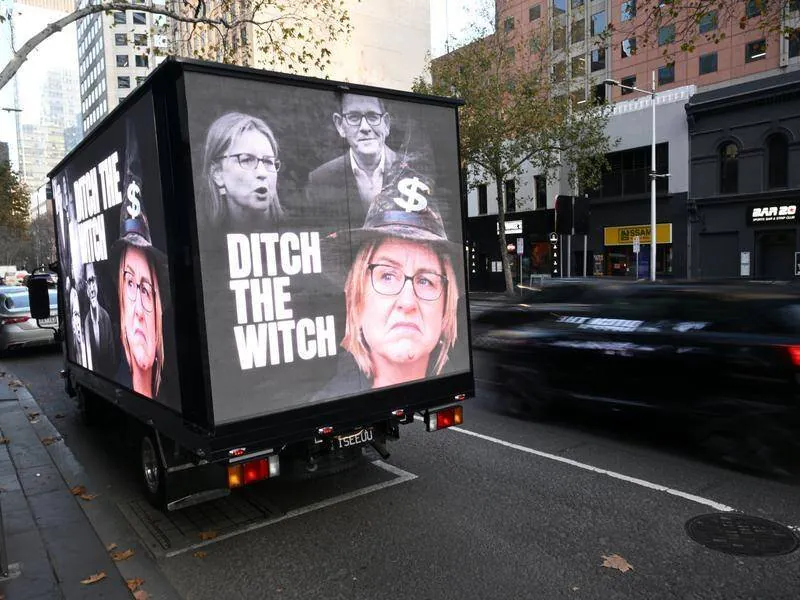
- A sexist billboard labelling Victorian Premier Jacinta Allan a “witch” has sparked outrage and condemnation from politicians and experts, who warn it’s perpetuating a culture of disrespect and violence against women.
- The mobile billboard, which was briefly removed from the streets after a defect notice was issued, has been widely condemned as a relic of a bygone era that dehumanises women and sends a dangerous message to young Australians.
- The controversy comes as Australia grapples with a growing epidemic of gendered violence, with two girls and two women allegedly murdered within a four-day period earlier this month.
- Experts warn that such sexist rhetoric can have serious consequences, including an increase in violence against women and a normalisation of misogynistic attitudes.
The recent sighting of a sexist billboard in Melbourne has reignited the debate about the treatment of women in politics and the impact of misogynistic rhetoric on Australian society.
The mobile billboard, which labels Victorian Premier Jacinta Allan a “witch”, has been widely condemned by politicians and experts, who warn it’s perpetuating a culture of disrespect and violence against women.
According to Premier Allan, the billboard sets a “dangerous tone” for how women are spoken about and sends a clear message about a lack of respect for women, which has an impact on rates of gendered violence.
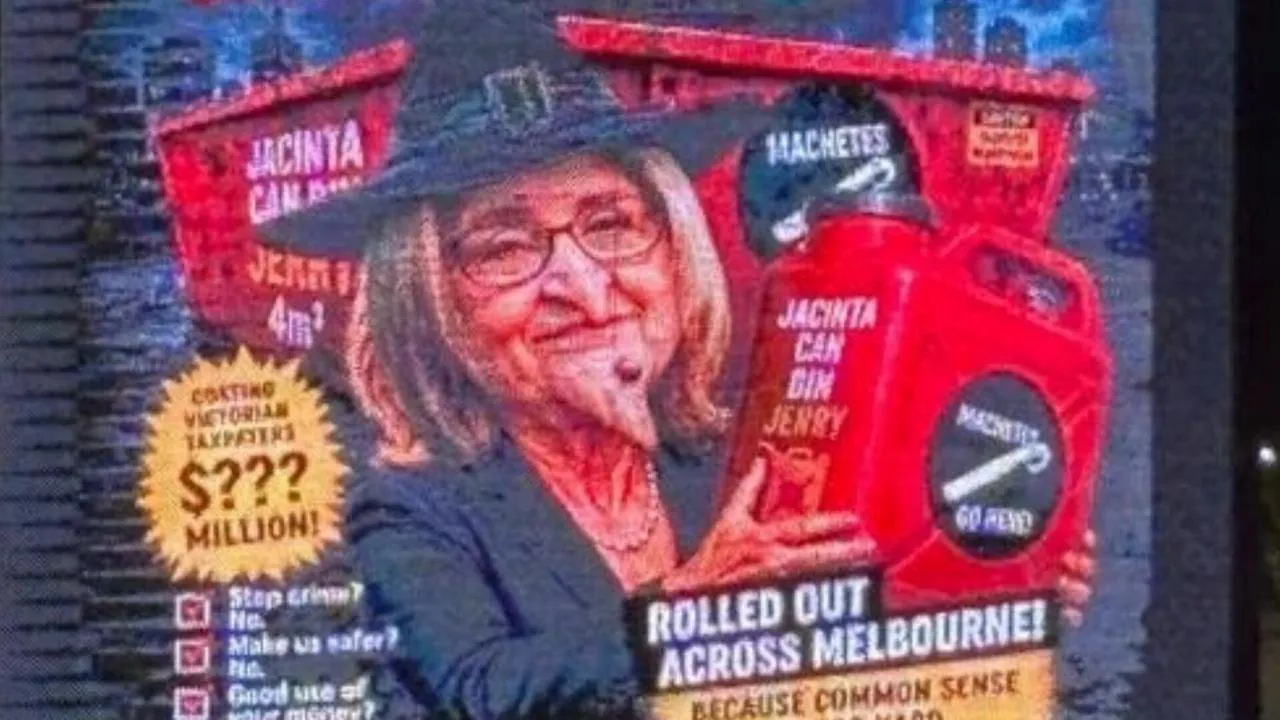
“Violence against women starts with disrespect for women,” she said.
The Premier’s comments come as Australia grapples with a growing epidemic of gendered violence, with two girls and two women allegedly murdered within a four-day period earlier this month.


The use of words such as “witch” to attack and bring down women has a long and dark history, dating back centuries.
Premier Allan argues that this type of rhetoric is not only sexist but also has serious consequences, including an increase in violence against women and a normalisation of misogynistic attitudes.
“It has been used for centuries to dehumanise women, to other women,” she said.
The controversy surrounding the billboard has sparked a wider debate about the treatment of women in politics and the impact of sexist rhetoric on Australian society.
Prime Minister Anthony Albanese has condemned the campaign as “sexist and totally unacceptable”, while former Prime Minister Julia Gillard has slammed the campaign as a “tired old trope”.
Analysis: What This Means for Australia
The controversy surrounding the billboard highlights the deep-seated cultural issues that Australia still needs to address when it comes to the treatment of women. The use of sexist rhetoric and the normalisation of misogynistic attitudes have serious consequences, including an increase in violence against women.
As Australia grapples with a growing epidemic of gendered violence, it’s clear that more needs to be done to address these underlying issues.
Security analysts say that the use of sexist rhetoric can have serious consequences, including an increase in violence against women and a normalisation of misogynistic attitudes.
“This type of rhetoric is not only sexist but also has serious consequences,” said one analyst. “It’s a slippery slope that can lead to a culture of disrespect and violence against women.”
Law enforcement insiders warn that the normalisation of sexist rhetoric can also have serious consequences for women’s safety. “When you normalise sexist language and attitudes, you create a culture where women are seen as less than equal,” said one insider.
“That’s a recipe for disaster.”
Industry observers believe that more needs to be done to address the cultural issues underlying the controversy surrounding the billboard.
“We need to have a national conversation about the treatment of women in politics and the impact of sexist rhetoric on Australian society,” said one observer.
“We need to create a culture where women are respected and valued, not denigrated and belittled.”
As Australia continues to grapple with the controversy surrounding the billboard, one thing is clear: more needs to be done to address the deep-seated cultural issues that are driving this type of rhetoric.
By working together, we can create a culture where women are respected and valued, not denigrated and belittled.
gendered violence
Australian Bureau of Statistics