

‘Half of Dementia Cases Are Preventable’: World Health Organisation Unveils Shocking New Guidelines to Reduce Risk of Cognitive Decline Amid Soaring Global Epidemic
- WHO estimates 57 million people worldwide live with dementia, with 10 million new diagnoses every year, costing the global economy $US1.3 trillion annually
- Almost half of dementia cases have ‘modifiable risk factors’, making the disease preventable through lifestyle changes
- Australia has nearly half a million people living with dementia, with Alzheimer’s disease accounting for 60-70% of cases globally
- WHO recommends healthy behaviours and lifestyle interventions, including cognitive training, social activities, and reducing air pollution
The world’s leading health authority has dropped a bombshell, revealing that almost half of dementia cases are preventable.
The World Health Organisation (WHO) has released new evidence-based guidelines to help prevent or delay the onset of dementia, a disease that affects nearly half a million Australians and costs the global economy a staggering $US1.3 trillion annually.
According to the WHO, 57 million people worldwide live with dementia, with 10 million new diagnoses every year. The organisation estimates that 45% of dementia cases have ‘modifiable risk factors’, making the disease preventable through lifestyle changes.
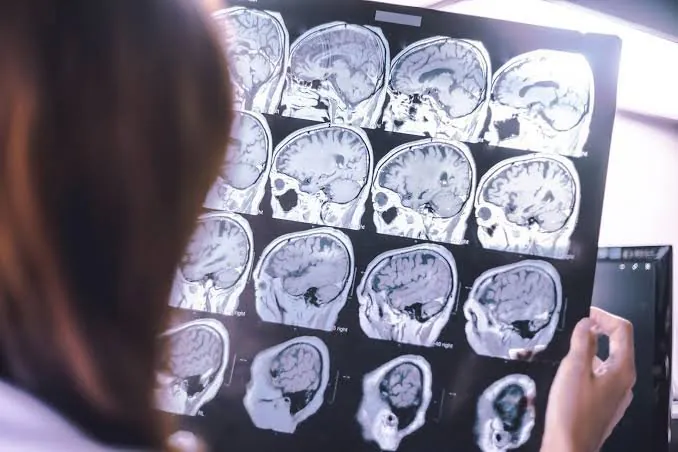
Modifiable risk factors include tobacco and alcohol use, social isolation, physical inactivity, air pollution, and noncommunicable diseases (NCDs) such as high blood pressure and diabetes.
“We know more today than ever before about what drives dementia risk, and these guidelines translate that knowledge into action,” said WHO Director-General Dr Tedros Adhanom Ghebreyesus.
“Countries now have clear, evidence-based recommendations they can put into practice immediately to protect people’s cognitive health.”
In Australia, Alzheimer’s disease is the most common form of dementia, accounting for 60-70% of cases globally.
Professor Kaarin Anstey, director of the UNSW Ageing Futures Institute and the only Australian researcher on WHO’s Guideline Development Group, said the new guidelines offer real-life actions that will reduce dementia risk and promote brain health.
“These guidelines are the culmination of a systematic and wide-ranging review of the evidence we now have about the efficacy of a range of interventions that can reduce dementia risk,” Professor Anstey said.
“They’re both practical and evidence-based but require the buy-in of governments and public health systems to be truly effective.”
So, what can be done to reduce the risk of dementia?
According to the WHO, several healthy behaviours and lifestyle interventions can make a significant difference. These include cognitive training and cognitive stimulation, engagement in social activities, and reducing air pollution.
However, the organisation notes that intervention to reduce the risk of cognitive decline does not include vitamin supplements, due to a lack of evidence of any potential benefits.
Analysis: What This Means for AustraliaThe WHO’s new guidelines have significant implications for Australia, where dementia is a growing health concern.
With nearly half a million people living with the disease, the economic and social costs are substantial. The Australian government must take immediate action to implement the WHO’s recommendations and promote brain health across the country.
“Security analysts say that the growing dementia epidemic poses a significant threat to Australia’s economic security,” said one expert.
“The government must invest in public health initiatives that promote cognitive health and reduce the risk of dementia.”
Law enforcement insiders warn that dementia can also have serious consequences for public safety.
“As the dementia epidemic grows, we can expect to see more cases of wandering, aggression, and other behaviours that put individuals and communities at risk,” said one insider.
Industry observers believe that the WHO’s guidelines offer a vital opportunity for Australia to take a proactive approach to dementia prevention. “These guidelines offer a roadmap for reducing dementia risk and promoting brain health,” said one observer.
“It’s time for the Australian government to take action and make a real difference in the lives of Australians living with dementia.”
By adopting the WHO’s recommendations, Australia can make a significant dent in the growing dementia epidemic and reduce the economic and social costs associated with the disease.
It’s time for action – the future of Australia’s brain health depends on it.
The world’s leading health authority has dropped a bombshell, revealing that almost half of dementia cases are preventable. The World Health Organisation (WHO) has released new evidence-based guidelines to help prevent or delay the onset of dementia, a disease that affects nearly half a million Australians and costs the global economy a staggering $US1.3 trillion annually.
According to the WHO, 57 million people worldwide live with dementia, with 10 million new diagnoses every year. The organisation estimates that 45% of dementia cases have ‘modifiable risk factors’, making the disease preventable through lifestyle changes. Modifiable risk factors include tobacco and alcohol use, social isolation, physical inactivity, air pollution, and noncommunicable diseases (NCDs) such as high blood pressure and diabetes.
“We know more today than ever before about what drives dementia risk, and these guidelines translate that knowledge into action,” said WHO Director-General Dr Tedros Adhanom Ghebreyesus. “Countries now have clear, evidence-based recommendations they can put into practice immediately to protect people’s cognitive health.”
In Australia, Alzheimer’s disease is the most common form of dementia, accounting for 60-70% of cases globally. Professor Kaarin Anstey, director of the UNSW Ageing Futures Institute and the only Australian researcher on WHO’s Guideline Development Group, said the new guidelines offer real-life actions that will reduce dementia risk and promote brain health.
“These guidelines are the culmination of a systematic and wide-ranging review of the evidence we now have about the efficacy of a range of interventions that can reduce dementia risk,” Professor Anstey said. “They’re both practical and evidence-based but require the buy-in of governments and public health systems to be truly effective.”
So, what can be done to reduce the risk of dementia? According to the WHO, several healthy behaviours and lifestyle interventions can make a significant difference. These include cognitive training and cognitive stimulation, engagement in social activities, and reducing air pollution. However, the organisation notes that intervention to reduce the risk of cognitive decline does not include vitamin supplements, due to a lack of evidence of any potential benefits.
The WHO’s new guidelines have significant implications for Australia, where dementia is a growing health concern. With nearly half a million people living with the disease, the economic and social costs are substantial. The Australian government must take immediate action to implement the WHO’s recommendations and promote brain health across the country.
“Security analysts say that the growing dementia epidemic poses a significant threat to Australia’s economic security,” said one expert. “The government must invest in public health initiatives that promote cognitive health and reduce the risk of dementia.”
Law enforcement insiders warn that dementia can also have serious consequences for public safety. “As the dementia epidemic grows, we can expect to see more cases of wandering, aggression, and other behaviours that put individuals and communities at risk,” said one insider.
Industry observers believe that the WHO’s guidelines offer a vital opportunity for Australia to take a proactive approach to dementia prevention. “These guidelines offer a roadmap for reducing dementia risk and promoting brain health,” said one observer. “It’s time for the Australian government to take action and make a real difference in the lives of Australians living with dementia.”
By adopting the WHO’s recommendations, Australia can make a significant dent in the growing dementia epidemic and reduce the economic and social costs associated with the disease. It’s time for action – the future of Australia’s brain health depends on it.