
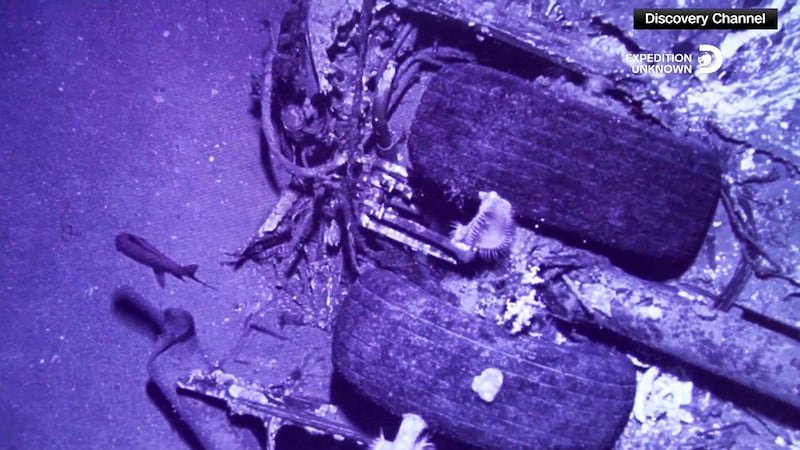
Wreckage of Doomed Pan Am Flight Found After 74 Years: The Tragic Crash That Changed Air Travel Forever
- A search team has finally located the remains of Pan Am Flight 526, which crashed off the coast of Puerto Rico in 1952, killing 52 people and prompting major changes in pre-flight safety procedures.
- The wreckage of the “Clipper Endeavor” was found 610 meters below the surface of the Atlantic Ocean, with its Pan Am logo still visible, after a seven-year investigation led by the Air/Sea Heritage Foundation.
- The discovery is a poignant reminder of the tragic events that unfolded on that fateful Good Friday, and the lasting impact it had on air travel safety procedures.
- The crash led to the implementation of mandatory pre-flight safety briefings, which have saved countless lives and changed the way we fly today.
The discovery of the Pan Am Flight 526 wreckage is a testament to the power of perseverance and determination.
For 74 years, the remains of the “Clipper Endeavor” lay hidden on the ocean floor, a haunting reminder of the tragic events that unfolded on that fateful Good Friday in 1952.
The crash, which killed 52 people and left only 17 survivors, was a wake-up call for the aviation industry, prompting major changes in pre-flight safety procedures that have saved countless lives.
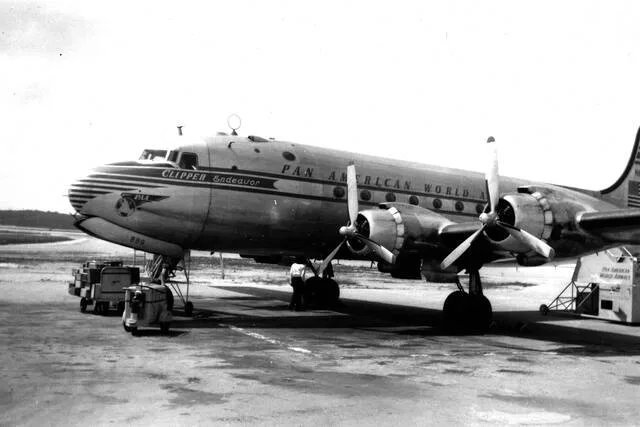
The “Clipper Endeavor” was a Douglas DC-4 aircraft, roughly the size of a modern Boeing 737, that took off from San Juan bound for New York City.
Just 10 minutes after takeoff, the plane experienced a multiple engine failure, sending it plummeting into the ocean.
Despite the heroic efforts of the US Coast Guard and Air Force, the plane sank within three minutes, resulting in one of the deadliest aviation disasters of its time.
The tragedy led to a major overhaul of pre-flight safety procedures, including the implementation of mandatory safety briefings for passengers. The crash highlighted the importance of emergency procedure demonstrations, and the need for passengers to be aware of the location of exits and flotation devices.
As Josh Gates, host of the Discovery Channel’s “Expedition Unknown” show, noted, “There was no demonstration of where the exits were, where the flotation devices are.
And so in all of that chaos and all that panic, 52 people drowned in and around this plane.”
The discovery of the wreckage is a poignant reminder of the importance of remembering and learning from the past.
As Gates said, “Every time you step on-board an aeroplane today, you are safer because of what happened to Clipper Endeavor and her passengers three quarters of a century ago.” The legacy of those who lost their lives in the crash will live on, serving as a reminder of the debt of remembrance we owe to this fateful flight.
Analysis: What This Means for Australia
The discovery of the Pan Am Flight 526 wreckage serves as a timely reminder of the importance of prioritizing air travel safety.
As the Australian aviation industry continues to grow, it is essential that we learn from the lessons of the past and remain vigilant in our pursuit of safety excellence.
The implementation of mandatory pre-flight safety briefings has been a game-changer for air travel safety, and it is crucial that we continue to review and refine our safety procedures to ensure that we are doing everything possible to prevent such tragedies from occurring in the future.
Security analysts say that the discovery of the wreckage highlights the importance of investing in advanced technology and safety equipment.
The use of cutting-edge sonar technology and autonomous underwater vehicles in the search for the wreckage is a testament to the power of innovation in aiding our understanding of aviation disasters.
As the Australian government continues to invest in our aviation industry, it is essential that we prioritize the development and implementation of new safety technologies.
The discovery of the Pan Am Flight 526 wreckage is a sobering reminder of the importance of remembering and learning from the past. As we continue to push the boundaries of air travel, it is essential that we remain humble and recognize the risks involved.
By learning from the lessons of history, we can work towards creating a safer and more secure aviation industry for all.