
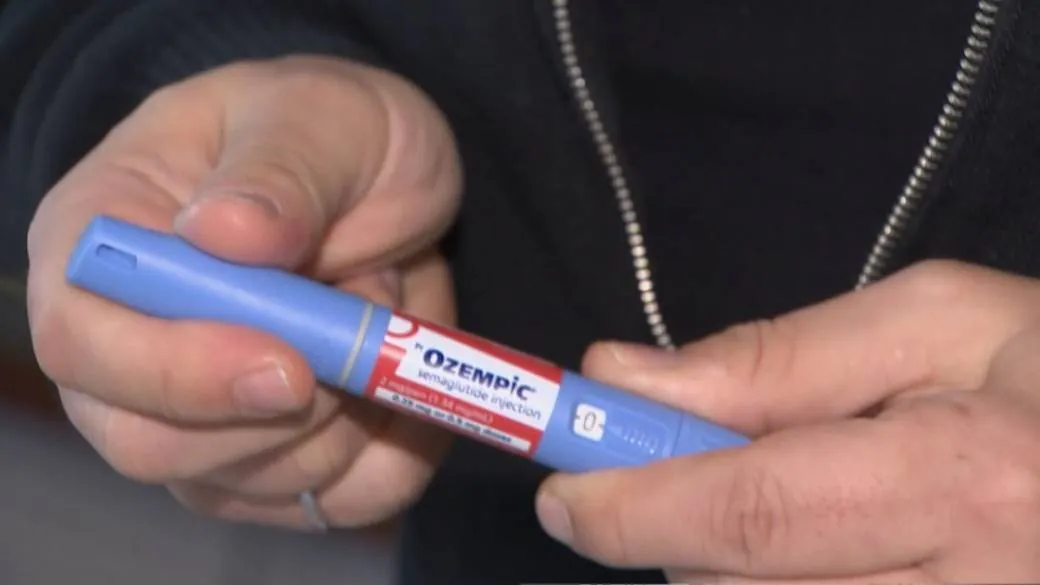
Medicine Alert: Ozempic Users Warned of Rare but Devastating Eye Disorder That Can Cause Permanent Blindness
- The Therapeutic Goods Administration issues a safety warning for GLP-1-based drugs like Ozempic and Wegovy, citing a rare but serious eye disorder that could cause permanent visual impairment or blindness.
- Thirty-six cases of the eye disorder, non-arteritic anterior ischaemic optic neuropathy (NAION), have been reported in Australia, with 23 linked to semaglutide, three to liraglutide, and 10 to tirzepatide.
- Experts warn that patients with diabetes, sleep apnea, or hypertension are at increased risk of developing NAION, and regular eye tests are crucial for early detection.
- The World Health Organization has recommended Ozempic-style medications as long-term treatments for obesity, but the TGA’s warning has raised concerns about the potential risks and benefits of these medications.
The Therapeutic Goods Administration’s (TGA) recent safety warning has sent shockwaves through the medical community, as patients taking GLP-1-based drugs like Ozempic and Wegovy are now being advised to be vigilant about a rare but serious eye disorder that could cause permanent visual impairment or blindness.
The warning has sparked concerns about the potential risks and benefits of these medications, which are commonly used to treat type 2 diabetes and obesity.
The TGA’s warning specifically highlights the risk of non-arteritic anterior ischaemic optic neuropathy (NAION), a condition caused by a disruption in blood flow to the optic nerve at the back of the eye.
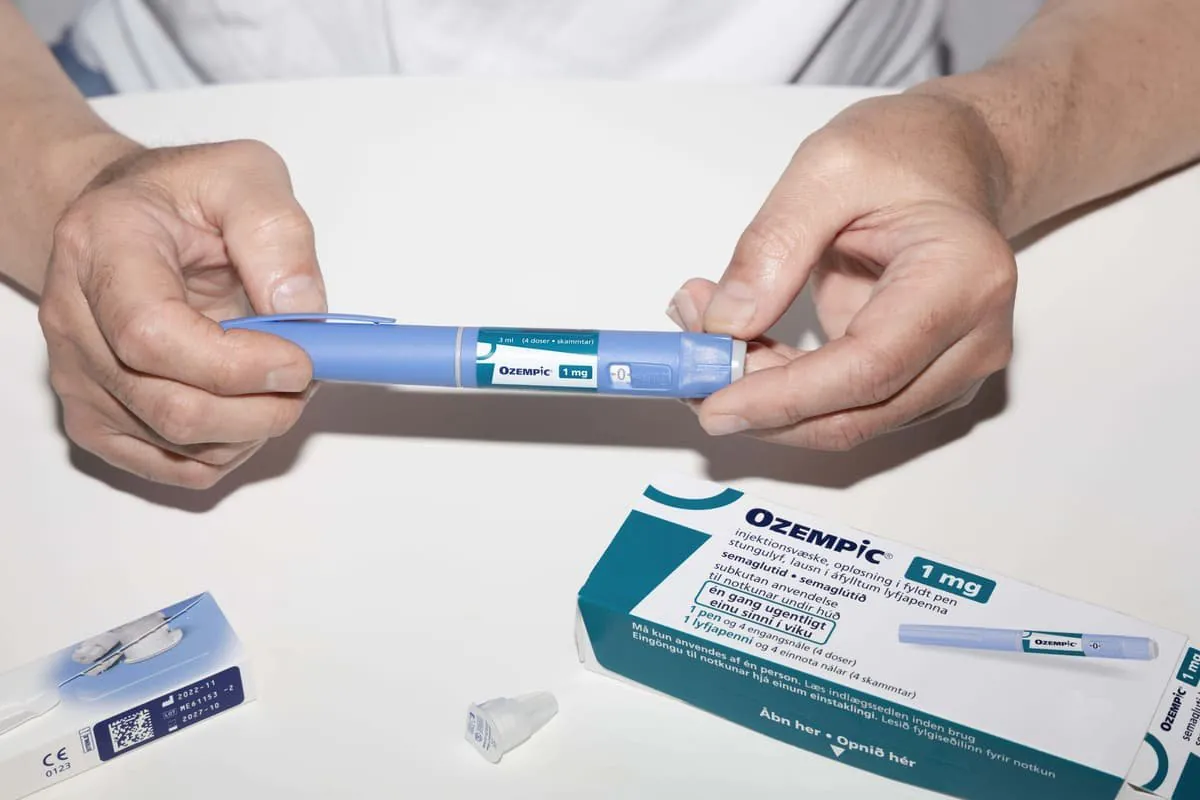
According to the TGA, 36 cases of NAION have been reported in Australia, with 23 linked to semaglutide, three to liraglutide, and 10 to tirzepatide.
While the risk is considered rare, the consequences can be devastating, with around 70% of people failing to recover their vision if they develop the condition.
So, what’s behind this sudden warning?
The TGA first identified the potential association between GLP-1 drugs and NAION in 2024, following a study published in the Journal of the American Medical Association (JAMA) Ophthalmology.
The study examined nearly 17,000 US patients and found that those prescribed semaglutide had a higher risk of NAION than those taking non-GLP-1 medications for diabetes.
Since then, the TGA has conducted its own independent assessment and sought advice from the Advisory Committee on Medicines.
But what does this mean for patients taking GLP-1-based drugs? According to Optometry Australia, patients should not be unnecessarily alarmed and can continue using the medications if they have no symptoms.
However, it’s crucial for patients to be aware of the potential risks and to seek urgent medical attention if they notice any changes in their vision.
Regular eye tests are also vital for early detection, and patients with diabetes, sleep apnea, or hypertension should be particularly vigilant.
Analysis: What This Means for Australia
The TGA’s warning has significant implications for Australia’s healthcare system, particularly in light of the growing obesity epidemic.
With the World Health Organization recommending Ozempic-style medications as long-term treatments for obesity, the potential risks and benefits of these medications need to be carefully weighed.
While the benefits of these medications in managing type 2 diabetes and obesity are well established, the risk of NAION cannot be ignored.
As Professor Garron Dodd, head of the Metabolic Neuroscience Laboratory at the University of Melbourne, notes, “Nearly all the evidence is retrospective, drawn from insurance claims and electronic health records… separating the drug from the condition it treats is the hard part, and no study has managed it cleanly.” This raises important questions about the potential causal link between GLP-1-based drugs and NAION, and whether the benefits of these medications outweigh the risks.
Ultimately, the TGA’s warning serves as a reminder of the importance of careful monitoring and regular eye tests for patients taking GLP-1-based drugs. As Dr.
Flora Hui, optometrist and vision scientist at the Centre for Eye Research Australia, advises, “Reduce your other risk factors associated with NAION by improving heart health, blood pressure, and cholesterol.
Most importantly, have regular eye tests with your optometrist or ophthalmologist whilst you’re being treated and letting them know that you’re taking these medications.”
Security analysts say that this warning highlights the need for greater transparency and communication between healthcare professionals, patients, and regulatory bodies.
Law enforcement insiders warn that patients should be cautious of counterfeit or unapproved versions of GLP-1-based drugs, which can increase the risk of adverse reactions.
Industry observers believe that the TGA’s warning will lead to increased scrutiny of the pharmaceutical industry and its regulatory frameworks.