
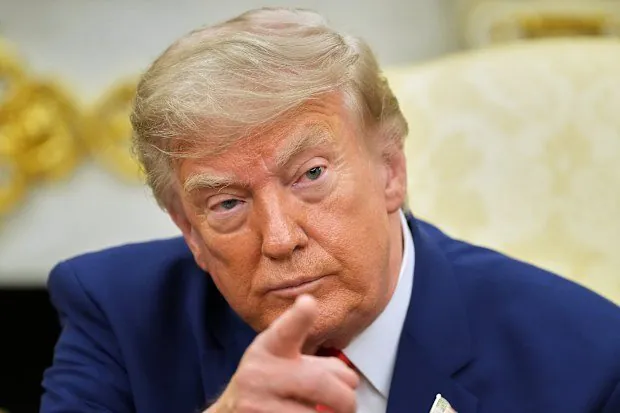
Trump’s Tariff Takedown: How Australia’s Exports Are Caught in the Crossfire of America’s War on Slave Labour
- Australia slapped with 12.5% tariff on exports to the US, set to take effect today
- Move is part of Trump’s crusade against forced labour in international supply chains
- Australian businesses warn of devastating consequences for investment and jobs
- Government vows to fight the “unjustified” tariffs through the World Trade Organisation
The United States has fired a salvo in its war on slave labour, imposing a 12.5% tariff on Australian exports in a move that could have far-reaching consequences for the country’s economy.
The decision, announced by the Trump administration, is part of a broader crackdown on forced labour in international supply chains.
But Australian businesses and politicians are crying foul, warning that the tariffs will make it harder for them to compete and sell their products into the US market.
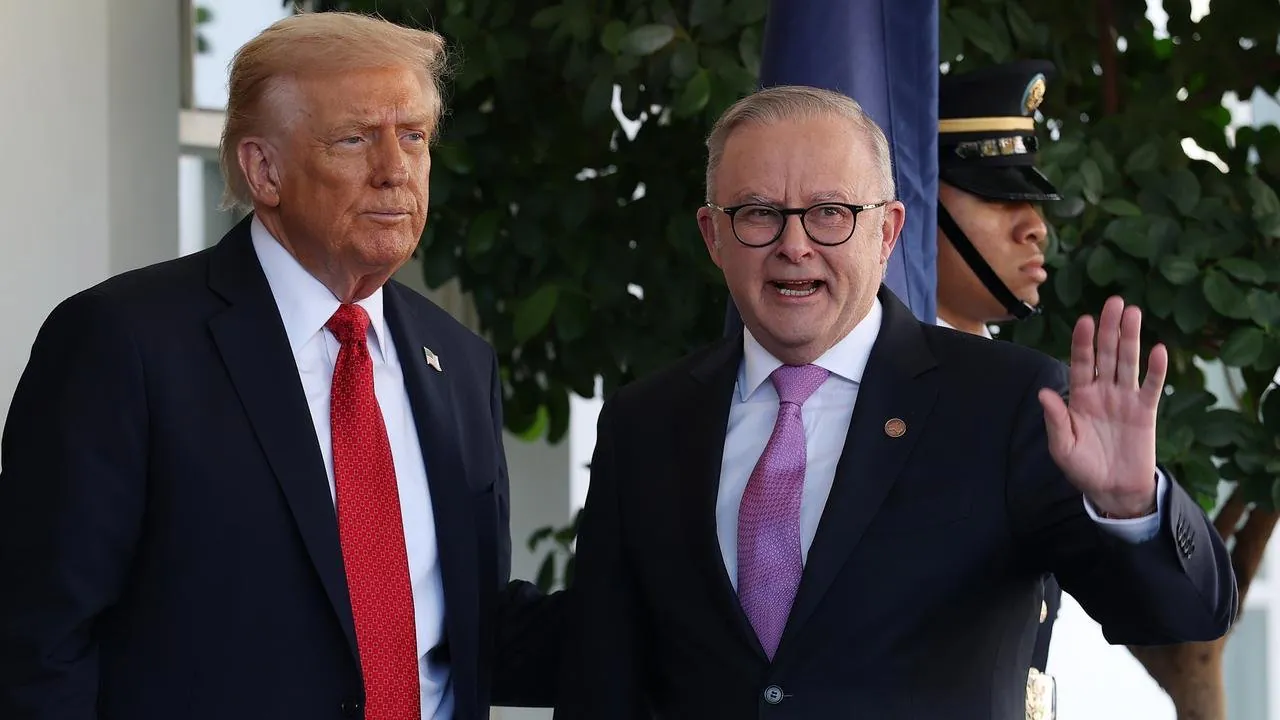
The tariff, which takes effect today, is the latest in a series of trade blows dealt by the US to its allies and trading partners. The move is part of an investigation into forced labour in international supply chains, which the US government claims is a major problem.
But Australian Trade Minister Don Farrell has dismissed the tariffs as “unjustified” and “inconsistent with our free trade agreement”.
So how do tariffs work? In simple terms, a tariff is a fee added to goods when they are imported from one country to another.
The fee is paid by the company receiving the goods, which can then choose to pass the cost on to consumers or absorb the hit themselves.
In this case, the 12.5% tariff on Australian exports will add a significant burden to businesses looking to sell their products in the US.
The US government claims that the tariffs are necessary to combat forced labour, which it says is a major problem in international supply chains.
But Australian businesses and politicians argue that the country already has strict laws in place to prevent slave labour, and that the tariffs are an unfair and protectionist move.
“We share an objective with the US to stamp out forced labour, but we would have also made clear that the legal regime that we have in Australia in respect of forced labour is amongst the best legal regimes that exist in the world today,” said Deputy Prime Minister Richard Marles.
But the tariffs are just the latest in a long line of trade blows dealt by the US to its allies and trading partners. The country has been embroiled in a series of trade wars in recent years, including with China, the European Union, and Canada.
And while the US government claims that the tariffs are necessary to protect American workers and industries, critics argue that they will only lead to higher prices and reduced competitiveness.
Analysis: What This Means for Australia
The tariffs imposed by the US will have significant implications for Australian businesses and the economy as a whole. The country’s exporters will face higher costs and reduced competitiveness in the US market, which could lead to job losses and reduced investment.
And while the government has vowed to fight the tariffs through the World Trade Organisation, the process is likely to be slow and uncertain.
Security analysts say that the tariffs are just the latest example of the US’s increasingly protectionist trade policies, which could have far-reaching consequences for global trade and stability.
“The US is using tariffs as a blunt instrument to try to achieve its trade goals, but it’s a strategy that is likely to backfire,” said one analyst.
“Other countries will retaliate, and the global trading system will be the loser.”
Law enforcement insiders warn that the tariffs will also make it harder for Australian businesses to comply with anti-slavery laws, which could lead to reputational damage and financial penalties.
“The tariffs are a sledgehammer approach to addressing forced labour, and they will only drive the problem underground,” said one insider.
Industry observers believe that the tariffs will also have significant implications for the global economy, which is already facing significant headwinds.
“The tariffs are a major escalation of the trade war, and they will only add to the uncertainty and volatility that is already affecting markets,” said one observer.
As the situation continues to unfold, one thing is clear: the tariffs imposed by the US will have significant implications for Australian businesses, the economy, and the global trading system as a whole.
Only time will tell what the ultimate outcome will be, but one thing is certain: the stakes are high, and the consequences will be far-reaching.