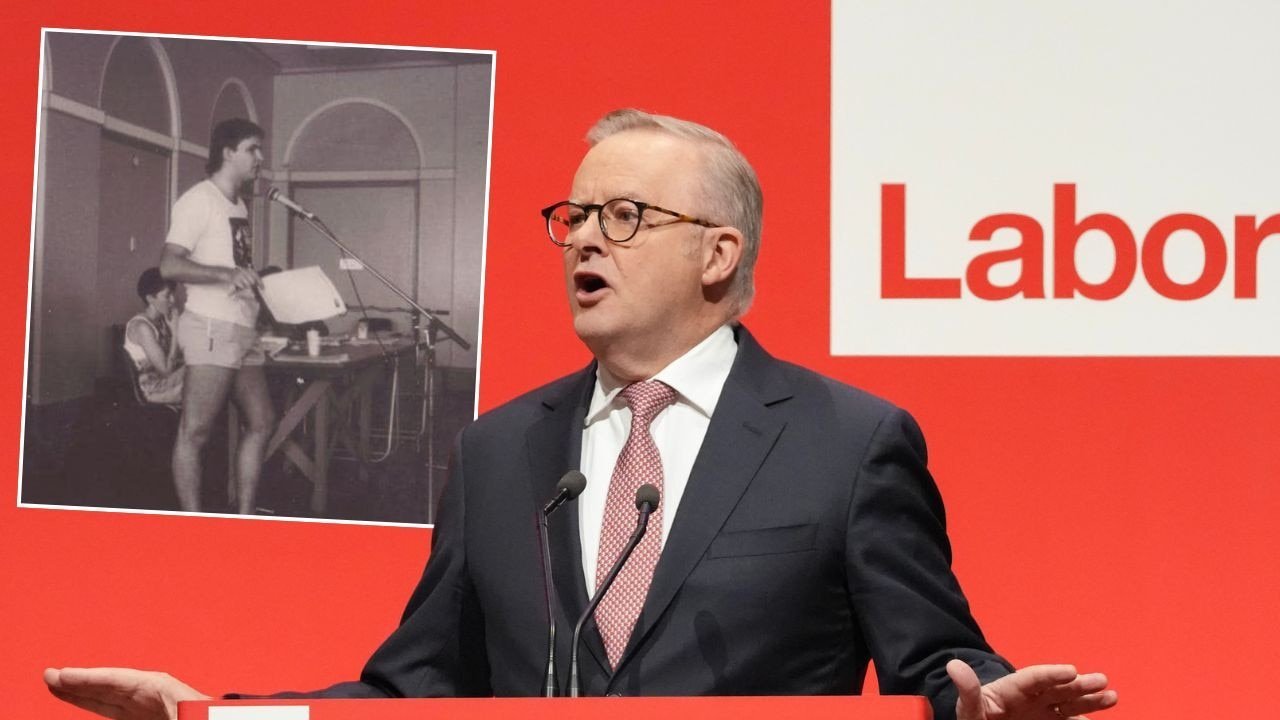
EXCLUSIVE: Labor’s ‘United Front’ Cracks as Party Veterans Sound Alarm on Government’s Failures and Rising Populism
- Labor’s national conference showcases a united front, but critics warn of a “monoculture” that ignores growing discontent among Australians
- Prominent party veterans, including former ACTU leader Bill Kelty and ex-Queensland Premier Peter Beattie, slam government’s handling of key issues, from taxes to infrastructure
- Experts warn that Labor’s strategy for retaining power may not be enough to counter the rise of Pauline Hanson’s One Nation, fueled by “charlatan populism” and a wall of money
- As the party gears up for the 2028 federal election, its leaders face a tough balancing act between appeasing voters and addressing the concerns of its own disaffected members
Labor’s national conference has been hailed as a masterclass in party unity, with delegates presenting a united front on key issues.
However, the facade of solidarity has been cracked by a series of interventions from prominent party veterans, who have sounded the alarm on the government’s failures and the rising threat of populism.
Former ACTU leader Bill Kelty and ex-Queensland Premier Peter Beattie have led the charge, slamming the government’s handling of key issues such as taxes, infrastructure, and the economy.
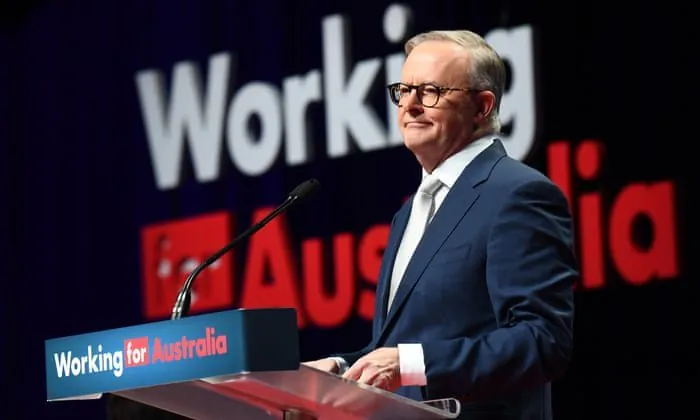
Kelty’s scathing senate committee submission warned that “something is wrong with this place,” citing wasteful government spending and a lack of investment in critical areas like education and training.
Beattie, meanwhile, has pointed to the rise of One Nation as a symptom of the major parties’ failure to address the concerns of ordinary Australians.




“I never thought I’d ever see One Nation at the level of support that they have now, but that’s because the major political parties are not performing and dealing with the issues that ordinary Australians are concerned about,” he said.
Their warnings have struck a chord with many in the party, who are growing increasingly concerned about Labor’s ability to connect with voters and address the country’s pressing issues.
As the party gears up for the 2028 federal election, its leaders face a tough balancing act between appeasing voters and addressing the concerns of its own disaffected members.
One of the key challenges facing Labor is the rise of Pauline Hanson’s One Nation, which has been fueled by a “wall of money” and a brand of “charlatan populism” that has resonated with disaffected voters.
According to Wayne Swan, the outgoing Labor Party president, this new threat requires a new kind of political contest, one that will test Labor’s mettle and its ability to adapt to a changing landscape.
Analysis: What This Means for Australia
The Labor Party’s national conference has highlighted the delicate balance between party unity and the need to address the concerns of voters.
As the party prepares for the 2028 federal election, it must confront the reality of a growing populist movement and the need to reconnect with ordinary Australians.
Failure to do so could have serious consequences for the country, including a further erosion of trust in institutions and a growing sense of disillusionment among voters.
Security analysts warn that the rise of One Nation poses a significant threat to national security, as it taps into a deep sense of discontent and frustration among voters.
“The last thing we need is a party that preys on people’s fears and anxieties,” said one analyst. “It’s a recipe for disaster.”
Law enforcement insiders also warn that the party’s stance on key issues, such as immigration and law and order, could have significant implications for community safety and cohesion.
“We need a party that is willing to take a tough stance on issues that matter to Australians,” said one source. “Anything less is a cop-out.”
Industry observers believe that Labor’s economic policies, including its approach to taxation and infrastructure spending, will have significant implications for the country’s economic future. “We need a party that is willing to take a long-term view and invest in the things that matter,” said one economist.
“Anything less is a recipe for stagnation.”
As the party navigates these challenges, it must also confront its own internal demons and find a way to reconnect with voters. Failure to do so could have serious consequences, not just for Labor, but for the country as a whole.