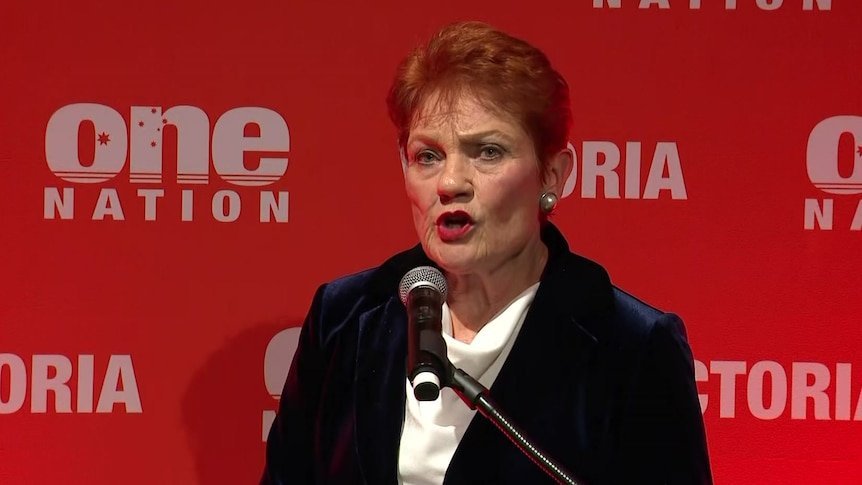
One Nation’s Shocking Rise in Victoria: Can the Coalition and Labor Survive the Coming Election Tsunami?
- One Nation is polling strongly in Victoria, with at least a quarter of voters supporting the party, according to recent polls.
- The party’s rise is being driven by frustration with the major parties, particularly in rural and regional areas where traditional industries are in decline.
- The four state seats in Gippsland are seen as particularly vulnerable to a One Nation campaign, with the seat of Morwell dubbed “ground zero” for the party’s support.
- One Nation’s lack of policies is not seen as a major obstacle, with the party’s brand and anti-establishment message resonating with voters.
The Victorian election is shaping up to be a wild card, with One Nation’s sudden rise sending shockwaves through the state’s political landscape. As the major parties scramble to respond, it’s clear that the traditional two-party system is under threat like never before.
For Jodie Hamill, a former publican from Sale, the decision to support One Nation was a no-brainer. After years of struggling to make ends meet, she’s had enough of the major parties and their empty promises.
“I don’t know anyone who’s going to vote Liberal or Labor anymore,” she says.
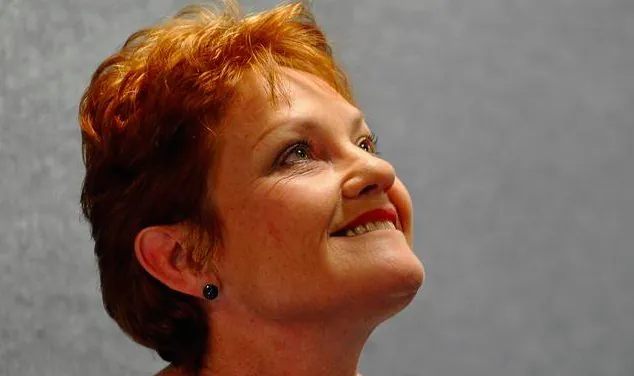
“They’re all just wanting to vote One Nation and give them a go.” Hamill’s sentiment is echoed throughout rural and regional Victoria, where the closure of coal mines, power plants, and timber mills has contributed to economic decline.
The government is blamed for the changes, and voters are looking for someone to lash out at. One Nation’s emergence as a major player in the Victorian election has thrown plans into disarray for both the Labor government and the Coalition.




The party’s polling numbers are impressive, with at least a quarter of voters supporting them, according to recent polls.
The four state seats in Gippsland are seen as particularly vulnerable to a One Nation campaign, with the seat of Morwell dubbed “ground zero” for the party’s support.
Ben Lucas, a Baw Baw Councillor and One Nation executive member, is confident that the party can win all four Gippsland seats, as well as two spots in the Eastern Victoria Region in the upper house.
“I’m not cocky about it,” he says. “It’s just all the sentiment.
Social media is the closest media to the people, and when you go through the comment section, the comment section never lies.”
Lucas’s optimism is not unfounded.
One Nation’s policy offering may be sparse, but the party’s brand and anti-establishment message are resonating with voters. As Kosmos Samaras, a former Labor official turned pollster, notes, “Really it’s about the brand and what it represents.
And it represents a vehicle for these Victorians to really send a message that they are sick of the two-party system.”
The Coalition is facing a new challenge from One Nation, admits Danny O’Brien, the Nationals leader in Gippsland South.
“I think it’s a real threat,” he says. “Absolutely, we understand people are angry.
We understand people are frustrated with the major parties.” But O’Brien is hopeful that as the election draws closer, voters’ minds will focus on who they actually want to run the government.
“People need to consider that [if] they want to get rid of Jacinta Allan and Labor, they need to vote for the Nationals and Liberals,” he says.
“Other parties are parties of protest and grievance, and don’t necessarily have a solution.”
Analysis: What This Means for AustraliaOne Nation’s rise in Victoria has significant implications for the state’s politics, but it also reflects a broader trend of disillusionment with the major parties across Australia.
As voters become increasingly frustrated with the traditional two-party system, alternative parties like One Nation are capitalizing on the discontent. For the Coalition and Labor, the challenge is clear: convince voters that they are the best option for running the government.
But with One Nation’s anti-establishment message resonating with so many, it’s unclear whether the major parties can stem the tide.
As the election draws closer, one thing is certain: the Victorian election is shaping up to be a wild card, and the outcome is far from certain.
Security analysts say that the rise of One Nation in Victoria reflects a broader trend of fragmentation in Australian politics, with voters increasingly turning to alternative parties in search of a new voice.
This trend has significant implications for national security, as the major parties struggle to respond to the changing landscape.
Law enforcement insiders warn that the rise of One Nation could also have implications for community safety, as the party’s anti-establishment message resonates with some of the most disillusioned members of society.
Industry observers believe that the Victorian election could be a bellwether for the national election, with the outcome having significant implications for the future of Australian politics.
The Victorian election is shaping up to be a wild card, with One Nation’s sudden rise sending shockwaves through the state’s political landscape. As the major parties scramble to respond, it’s clear that the traditional two-party system is under threat like never before. For Jodie Hamill, a former publican from Sale, the decision to support One Nation was a no-brainer. After years of struggling to make ends meet, she’s had enough of the major parties and their empty promises.
“I don’t know anyone who’s going to vote Liberal or Labor anymore,” she says. “They’re all just wanting to vote One Nation and give them a go.” Hamill’s sentiment is echoed throughout rural and regional Victoria, where the closure of coal mines, power plants, and timber mills has contributed to economic decline. The government is blamed for the changes, and voters are looking for someone to lash out at.
One Nation’s emergence as a major player in the Victorian election has thrown plans into disarray for both the Labor government and the Coalition. The party’s polling numbers are impressive, with at least a quarter of voters supporting them, according to recent polls. The four state seats in Gippsland are seen as particularly vulnerable to a One Nation campaign, with the seat of Morwell dubbed “ground zero” for the party’s support.
Ben Lucas, a Baw Baw Councillor and One Nation executive member, is confident that the party can win all four Gippsland seats, as well as two spots in the Eastern Victoria Region in the upper house. “I’m not cocky about it,” he says. “It’s just all the sentiment. Social media is the closest media to the people, and when you go through the comment section, the comment section never lies.”
Lucas’s optimism is not unfounded. One Nation’s policy offering may be sparse, but the party’s brand and anti-establishment message are resonating with voters. As Kosmos Samaras, a former Labor official turned pollster, notes, “Really it’s about the brand and what it represents. And it represents a vehicle for these Victorians to really send a message that they are sick of the two-party system.”
The Coalition is facing a new challenge from One Nation, admits Danny O’Brien, the Nationals leader in Gippsland South. “I think it’s a real threat,” he says. “Absolutely, we understand people are angry. We understand people are frustrated with the major parties.” But O’Brien is hopeful that as the election draws closer, voters’ minds will focus on who they actually want to run the government.
“People need to consider that [if] they want to get rid of Jacinta Allan and Labor, they need to vote for the Nationals and Liberals,” he says. “Other parties are parties of protest and grievance, and don’t necessarily have a solution.”
One Nation’s rise in Victoria has significant implications for the state’s politics, but it also reflects a broader trend of disillusionment with the major parties across Australia. As voters become increasingly frustrated with the traditional two-party system, alternative parties like One Nation are capitalizing on the discontent.
For the Coalition and Labor, the challenge is clear: convince voters that they are the best option for running the government. But with One Nation’s anti-establishment message resonating with so many, it’s unclear whether the major parties can stem the tide.
As the election draws closer, one thing is certain: the Victorian election is shaping up to be a wild card, and the outcome is far from certain.
Security analysts say that the rise of One Nation in Victoria reflects a broader trend of fragmentation in Australian politics, with voters increasingly turning to alternative parties in search of a new voice. This trend has significant implications for national security, as the major parties struggle to respond to the changing landscape.
Law enforcement insiders warn that the rise of One Nation could also have implications for community safety, as the party’s anti-establishment message resonates with some of the most disillusioned members of society.
Industry observers believe that the Victorian election could be a bellwether for the national election, with the outcome having significant implications for the future of Australian politics.