Teenage Terror: The Alarming Rise of Adolescent Violence in Australian Homes and the Desperate Cry for Help
- A 16-year-old Perth boy is charged with murdering his mother and attempting to kill his sister in a shocking case of family violence.
- Experts warn of a national crisis as reports of adolescent violence in the home surge, with children as young as 12 exhibiting coercive and controlling behavior.
- Family violence advocates are calling for greater specialist support and funding to address the root causes of this disturbing trend and prevent further tragedy.
- WA Police Commissioner Col Blanch reveals a significant escalation of family violence reports, including children turning on their parents, with many cases going underreported due to parental shame and reluctance.
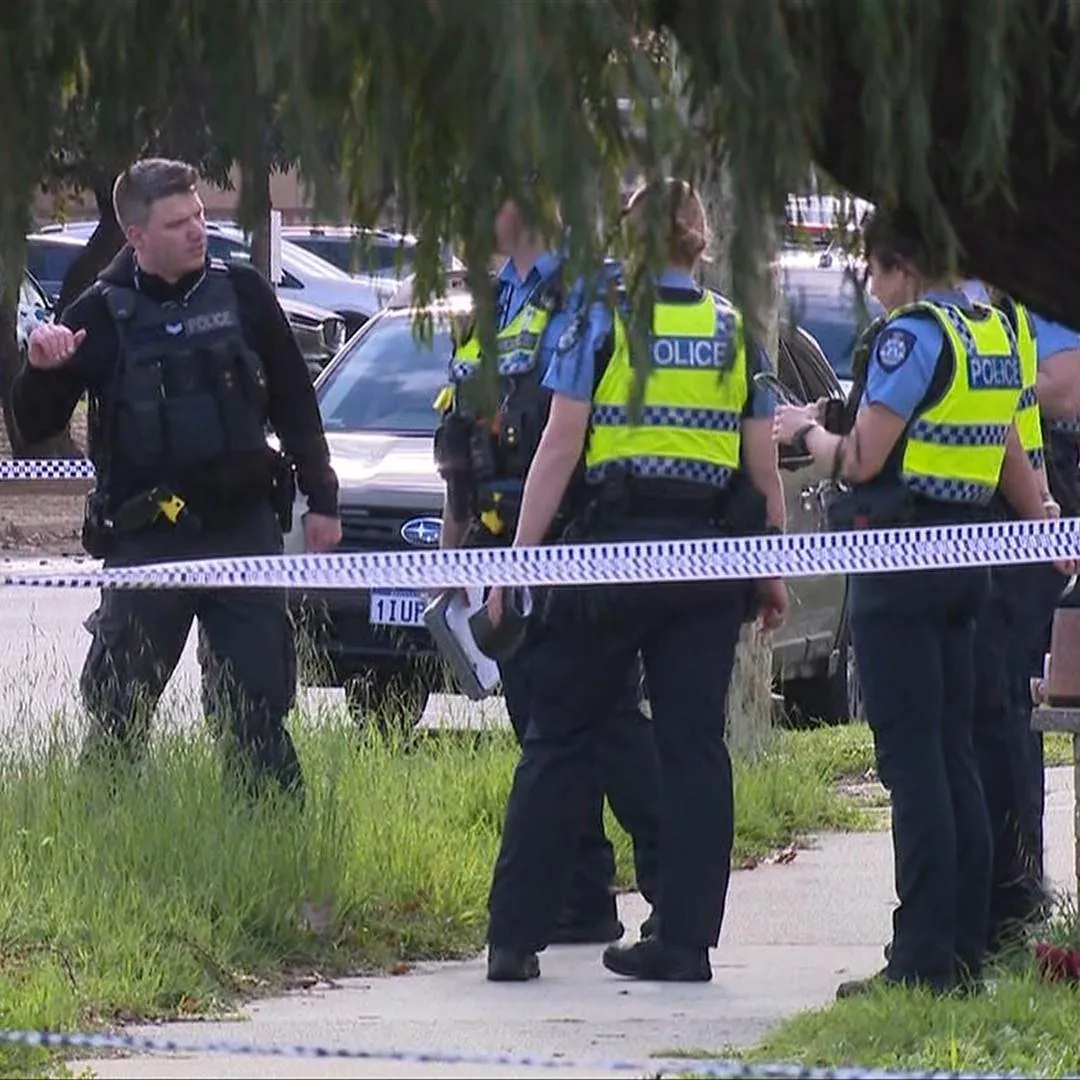
The recent arrest of a 16-year-old Perth boy for allegedly murdering his mother and attempting to kill his sister has sent shockwaves through the community, highlighting the alarming rise of adolescent violence in Australian homes.
This disturbing trend has left experts and authorities scrambling for solutions, as they grapple with the complex factors driving this behavior and the devastating consequences for families.
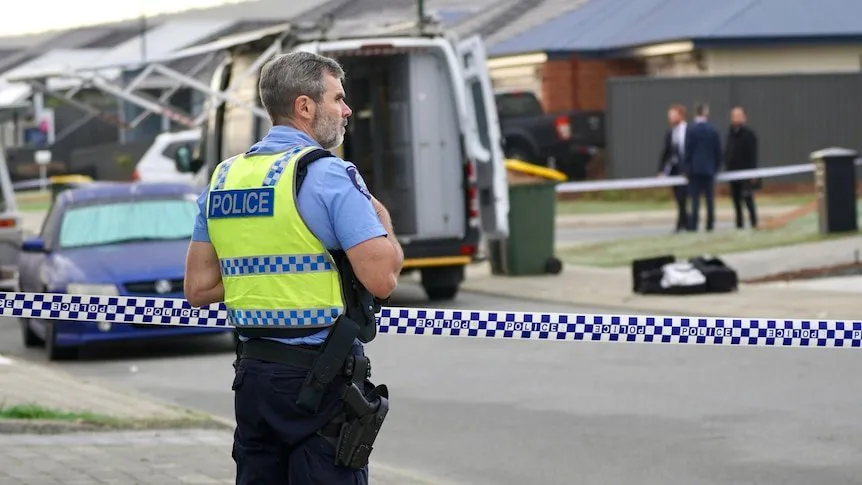
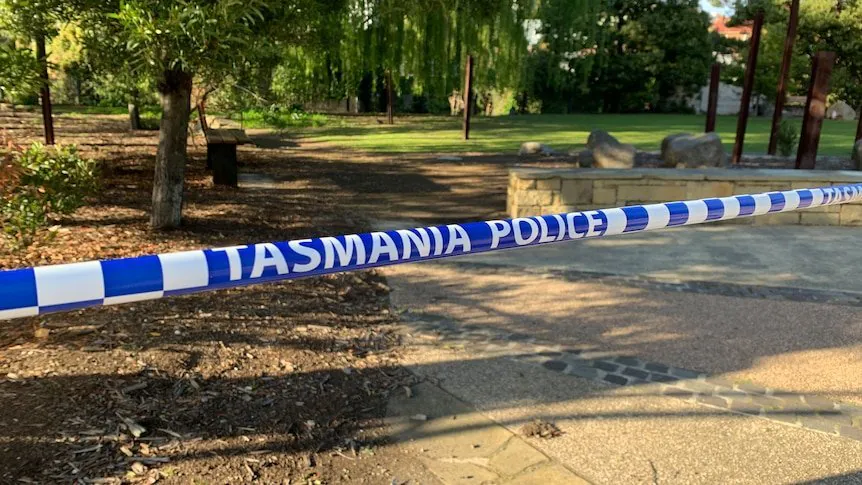
On Tuesday, the teenage boy was charged with the heinous crimes, which have been described by police as a “family violence homicide.” The incident has sparked a renewed focus on the issue of adolescent violence in the home, with family violence advocates calling for greater specialist support and funding to address the root causes of this disturbing trend.
According to Jolene Ellat, chief executive of the Domestic Abuse Resource and Training Institute (DART), organizations are reporting an increase in abusive behaviors demonstrated by young people, including coercive control and family members living in fear.
WA Police Commissioner Col Blanch revealed that police have seen a significant escalation of family violence reports, many of which involve children using violence against their parents.


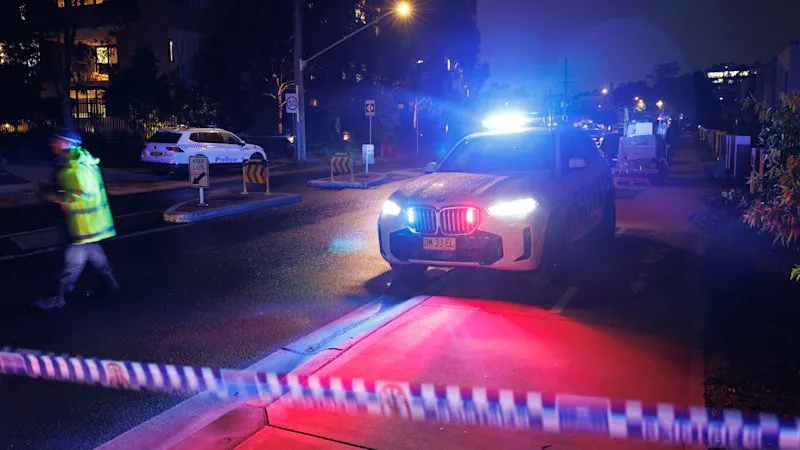
“We know in Western Australia and across Australia and probably across the world, we’re seeing a significant escalation of family violence reports to police across the board,” he said.
However, Commissioner Blanch also acknowledged that violence from children against their parents is “significantly under-reported” due to parental shame and reluctance.
So, what’s driving this disturbing trend? Experts point to a complex interplay of factors, including mental health challenges, neurodevelopmental differences, substance use, and difficulties with emotional regulation.
However, they stress that these factors do not cause violence on their own and that it’s essential to notice emerging abusive behaviors early to interrupt the trajectory.
Child and forensic psychologist Phil Watts emphasized the importance of parents seeking support before these behaviors escalate, warning that “when aggression turns into behavioral patterns as opposed to an emotion of anger, that’s where people really need to start looking if there’s an issue.”
Analysis: What This Means for Australia
The rise of adolescent violence in Australian homes has significant implications for national security, law enforcement, and community safety. As the number of reports increases, so too does the risk of tragic consequences, including loss of life and long-term trauma for families.
Furthermore, this trend highlights the need for a more comprehensive approach to addressing family violence, one that includes early intervention, specialist support, and education.
As Professor Kate Fitz-Gibbon from Monash University noted, “This is a national crisis and we need all governments responding with funding levels and actions commensurate with the scale of the challenge we’re seeking to address.”
Security analysts say that the surge in adolescent violence in the home is a wake-up call for authorities to reassess their strategies for addressing family violence.
“We need to recognize that this is not just a domestic issue, but a national security concern,” said one analyst.
“The rise of adolescent violence in the home is a symptom of a broader societal problem, one that requires a coordinated response from governments, law enforcement, and community organizations.”
Law enforcement insiders warn that the underreporting of adolescent violence in the home is a significant concern, as it prevents authorities from getting an accurate picture of the scope of the problem.
“We need to create an environment where parents feel comfortable coming forward and seeking help without fear of judgment or retribution,” said one insider.
Industry observers believe that the key to addressing adolescent violence in the home lies in early intervention and education. “We need to teach young people about healthy relationships, respect, and emotional regulation from a young age,” said one observer.
“By doing so, we can prevent the escalation of violent behaviors and create a safer, more respectful society for all.”
As the nation grapples with the complexities of adolescent violence in the home, one thing is clear: this is a crisis that requires a comprehensive and coordinated response.
By working together, we can create a safer, more supportive environment for families and prevent further tragedy.