
Britain’s Bid to Ban High-Caffeine Energy Drinks to Kids: Should Australia Follow Suit?
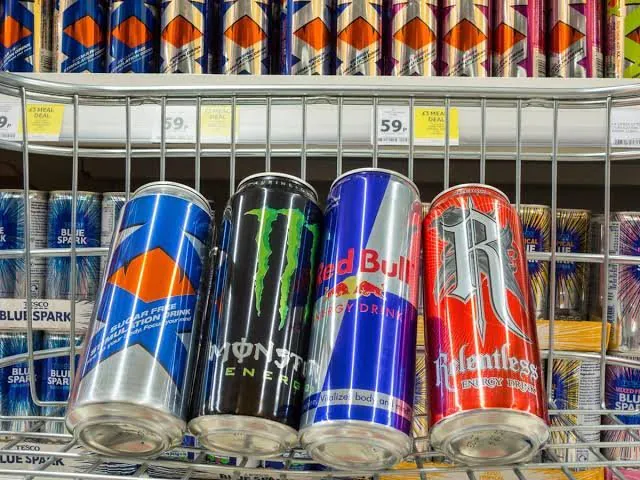
- The British government is pushing to ban the sale of high-caffeine energy drinks to under-16s, citing links to sleep disruption, anxiety, and poor concentration in children and teens.
- Australia has no federal laws restricting the sale of high-caffeine drinks to children, despite experts warning of the risks to young people’s physical and mental health.
- Energy drink manufacturers, including Coca-Cola and Monster Energy, are likely to oppose any attempts to introduce an age-based sales ban in Australia, citing “long-standing evidence and effective local regulatory arrangements”.
- Experts say a ban would be a crucial step in protecting Aussie kids from the potential harm caused by high-caffeine energy drinks, which can have a more significant impact on young bodies due to their smaller size.
The British government’s move to ban the sale of high-caffeine energy drinks to under-16s has sparked a heated debate about the safety of these products for young people.
But what about Australia?
With no federal laws in place to restrict the sale of these drinks to children, experts are warning that Aussie kids are being put at risk.
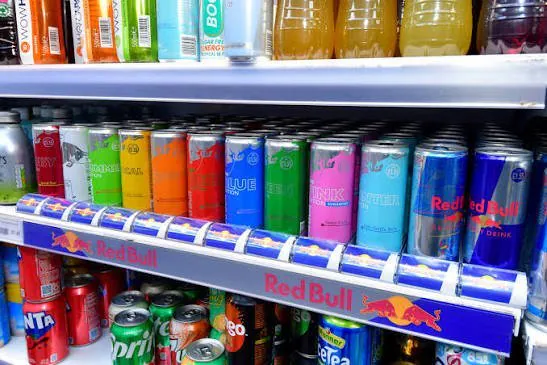
Energy drinks, which can contain up to 320 milligrams of caffeine per litre in Australia, have been linked to sleep disruption, anxiety, and poor concentration in children and teenagers.
So, how do energy drinks compare to other popular beverages? A typical 250ml can of energy drink can contain up to 80 milligrams of caffeine, while a 500ml can can contain up to 160 milligrams.
In contrast, a standard espresso coffee typically contains around 60-70 milligrams of caffeine. However, it’s essential to note that caffeine content can vary widely depending on the brand, type, and brewing method.
The Australian Dietary Guidelines, published in 2013, state that energy drinks are “not suitable for children”. However, there are no laws in place to enforce this recommendation.
Instead, energy drinks sold in Australia must carry a mandatory advisory statement warning that they are not recommended for children, pregnant or lactating women, or individuals sensitive to caffeine.
But experts say this is not enough.
“Restricting the sales of these products to young people and children will offer much better protection than the current scenario of providing advice on the packaging and relying on young people to voluntarily avoid these drinks,” says Jane Martin, executive director of the Food for Health Alliance.
Martin points out that energy drinks can have a more significant impact on young bodies due to their smaller size, and that the high caffeine content can lead to addiction.
Professor Gina Trapp, a food and nutrition expert at Edith Cowan University, agrees. “Energy drinks are inappropriate for children because of their lower physical tolerance for stimulants,” she says.
“The same amount of caffeine is likely to have a more marked effect on a child and teenager than an adult.”
Despite the warnings, energy drink manufacturers are likely to oppose any attempts to introduce an age-based sales ban in Australia.
The Australian Beverages Council, which represents major energy drink brands including Coca-Cola and Monster Energy, argues that existing regulations are sufficient and that a ban would be “disproportionate to the Australian evidence base”.
However, experts say that the evidence is clear: energy drinks pose a risk to young people’s health, and something needs to be done. “There is growing evidence supporting restricting sales of energy drinks to children and adolescents,” says Martin.
“It’s time for Australia to take action and follow the UK’s lead in protecting our kids from these potentially harmful products.”
Analysis: What This Means for Australia
The debate over energy drinks highlights the need for stronger regulations to protect young people’s health.
With the UK taking the lead in banning high-caffeine energy drinks to under-16s, Australia is under pressure to follow suit.
However, the opposition from energy drink manufacturers and the lack of federal laws in place to restrict the sale of these drinks to children make it a challenging task.
Security analysts say that the lack of regulation in Australia creates a loophole that can be exploited by energy drink manufacturers. “The absence of federal laws restricting the sale of high-caffeine drinks to children in Australia is a concern,” says one analyst.
“It’s a gap that needs to be addressed to protect young people’s health and wellbeing.”
Law enforcement insiders warn that the sale of energy drinks to children can have serious consequences, including increased risk of addiction, anxiety, and sleep disruption.
“Energy drinks are a ticking time bomb for young people’s health,” says one insider.
“It’s only a matter of time before we see the consequences of inaction.”
Industry observers believe that the energy drink market is booming in Australia, with manufacturers pushing to increase sales and profits.
However, this comes at a cost to young people’s health, and it’s up to the government to take action. “The pressure of industry opposition to any attempts to regulate energy drinks will be significant,” says one observer.
“But it’s essential that the government puts the health and wellbeing of young people first.”
Ultimately, the decision to ban high-caffeine energy drinks to under-16s in Australia will depend on the government’s willingness to take action.
With the evidence mounting against these products, it’s time for Australia to take a stand and protect its young people from the potential harm caused by energy drinks.
The British government’s move to ban the sale of high-caffeine energy drinks to under-16s has sparked a heated debate about the safety of these products for young people. But what about Australia? With no federal laws in place to restrict the sale of these drinks to children, experts are warning that Aussie kids are being put at risk. Energy drinks, which can contain up to 320 milligrams of caffeine per litre in Australia, have been linked to sleep disruption, anxiety, and poor concentration in children and teenagers.
So, how do energy drinks compare to other popular beverages? A typical 250ml can of energy drink can contain up to 80 milligrams of caffeine, while a 500ml can can contain up to 160 milligrams. In contrast, a standard espresso coffee typically contains around 60-70 milligrams of caffeine. However, it’s essential to note that caffeine content can vary widely depending on the brand, type, and brewing method.
The Australian Dietary Guidelines, published in 2013, state that energy drinks are “not suitable for children”. However, there are no laws in place to enforce this recommendation. Instead, energy drinks sold in Australia must carry a mandatory advisory statement warning that they are not recommended for children, pregnant or lactating women, or individuals sensitive to caffeine.
But experts say this is not enough. “Restricting the sales of these products to young people and children will offer much better protection than the current scenario of providing advice on the packaging and relying on young people to voluntarily avoid these drinks,” says Jane Martin, executive director of the Food for Health Alliance. Martin points out that energy drinks can have a more significant impact on young bodies due to their smaller size, and that the high caffeine content can lead to addiction.
Professor Gina Trapp, a food and nutrition expert at Edith Cowan University, agrees. “Energy drinks are inappropriate for children because of their lower physical tolerance for stimulants,” she says. “The same amount of caffeine is likely to have a more marked effect on a child and teenager than an adult.”
Despite the warnings, energy drink manufacturers are likely to oppose any attempts to introduce an age-based sales ban in Australia. The Australian Beverages Council, which represents major energy drink brands including Coca-Cola and Monster Energy, argues that existing regulations are sufficient and that a ban would be “disproportionate to the Australian evidence base”.
However, experts say that the evidence is clear: energy drinks pose a risk to young people’s health, and something needs to be done. “There is growing evidence supporting restricting sales of energy drinks to children and adolescents,” says Martin. “It’s time for Australia to take action and follow the UK’s lead in protecting our kids from these potentially harmful products.”
Analysis: What This Means for Australia
The debate over energy drinks highlights the need for stronger regulations to protect young people’s health. With the UK taking the lead in banning high-caffeine energy drinks to under-16s, Australia is under pressure to follow suit. However, the opposition from energy drink manufacturers and the lack of federal laws in place to restrict the sale of these drinks to children make it a challenging task.
Security analysts say that the lack of regulation in Australia creates a loophole that can be exploited by energy drink manufacturers. “The absence of federal laws restricting the sale of high-caffeine drinks to children in Australia is a concern,” says one analyst. “It’s a gap that needs to be addressed to protect young people’s health and wellbeing.”
Law enforcement insiders warn that the sale of energy drinks to children can have serious consequences, including increased risk of addiction, anxiety, and sleep disruption. “Energy drinks are a ticking time bomb for young people’s health,” says one insider. “It’s only a matter of time before we see the consequences of inaction.”
Industry observers believe that the energy drink market is booming in Australia, with manufacturers pushing to increase sales and profits. However, this comes at a cost to young people’s health, and it’s up to the government to take action. “The pressure of industry opposition to any attempts to regulate energy drinks will be significant,” says one observer. “But it’s essential that the government puts the health and wellbeing of young people first.”
Ultimately, the decision to ban high-caffeine energy drinks to under-16s in Australia will depend on the government’s willingness to take action. With the evidence mounting against these products, it’s time for Australia to take a stand and protect its young people from the potential harm caused by energy drinks.