‘A Slap in the Face’: Victorian Coalition’s $180m Hospital Pledge for Mildura Sparks Outrage as West Gippsland Gets $850m New Hospital
- Mildura community group Build the Base slams Coalition’s ‘watered-down’ promise, citing ‘complex needs’ and ‘remoteness’
- West Gippsland to receive brand-new $850m hospital, while Mildura gets $180m redevelopment
- Opposition Leader Jess Wilson defends decision, saying election commitments are ‘not static’ and ‘things changed’
- Nationals MP Jade Benham blames ‘less money’ for reduced pledge, despite growing population and ‘complex’ needs
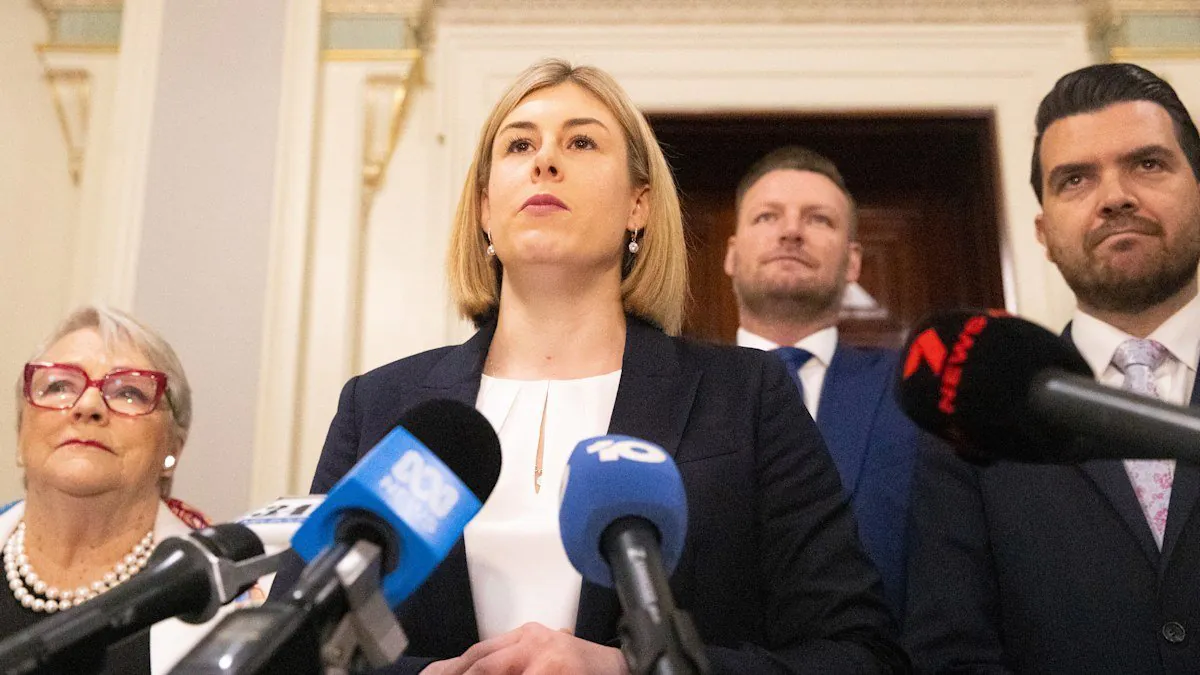
The Victorian Coalition’s pledge to invest $180 million in redeveloping the Mildura Base Public Hospital has sparked outrage among the local community, who feel shortchanged compared to West Gippsland’s brand-new $850 million hospital.
The promise, announced by Opposition Leader Jess Wilson, is a far cry from the Coalition’s 2022 election commitment to build a new $750 million hospital in Mildura.
The decision has been met with fierce criticism from the community, with Build the Base vice-president Stephen Parr calling it ‘a bit of a slap in the face’.

The Coalition has committed to a significant upgrade of the Mildura Base Public Hospital, including a 30-bed acute ward and an expansion of the emergency department by 18 beds.
However, the community is calling for a new hospital, citing the region’s ‘complex needs’ and ‘remoteness’. The hospital serves as the only public hospital in the area, and the community argues that its unique challenges warrant a more substantial investment.




The Coalition’s decision to prioritize West Gippsland’s hospital has raised questions about the party’s commitment to regional healthcare. The West Gippsland Hospital will receive $850 million in funding, while Mildura’s redevelopment will receive less than a quarter of that amount.
Nationals MP Jade Benham defended the decision, stating that ‘there was simply less money’ to play with compared to 2022. However, the community is not convinced, pointing out that the population continues to grow and the hospital’s needs have not changed.
The Victorian Labor government has also come under fire for its handling of the issue.
In 2021-22, the government spent $2 million on a Mildura hospital master plan, but has yet to release it or make a financial commitment to a new hospital or redevelopment.
The West Gippsland Hospital, on the other hand, received funding for planning and development in the 2023 Victorian budget.
Analysis: What This Means for Australia
The Coalition’s decision to prioritize West Gippsland’s hospital over Mildura’s has significant implications for regional healthcare in Australia. The move raises questions about the party’s commitment to addressing the unique challenges faced by rural and regional communities.
As the population continues to grow and healthcare needs evolve, it is essential that governments prioritize investments in regional healthcare infrastructure.
Security analysts say that the Coalition’s decision may be a strategic move to secure votes in West Gippsland, a marginal seat. However, this approach may backfire, as the community in Mildura feels shortchanged and neglected.
The decision also highlights the need for a more comprehensive approach to regional healthcare, one that takes into account the unique challenges and needs of each community.
Law enforcement insiders warn that the lack of investment in regional healthcare infrastructure can have significant consequences for community safety and well-being.
As the population grows and healthcare needs evolve, it is essential that governments prioritize investments in regional healthcare infrastructure to ensure that communities receive the care they need.
Industry observers believe that the Coalition’s decision may be a missed opportunity to address the systemic issues facing regional healthcare in Australia. By prioritizing West Gippsland’s hospital over Mildura’s, the party may be neglecting the unique challenges faced by rural and regional communities.
As the healthcare landscape continues to evolve, it is essential that governments take a more comprehensive approach to addressing the needs of regional communities.