WA Road Carnage: Six Lives Lost in 28 Hours of Horror as Drivers Defy the Law and Push Speed Limits to the Limit
- Six people killed in a series of devastating crashes on WA roads, with a 28-hour period of horror leaving families shattered and police reeling.
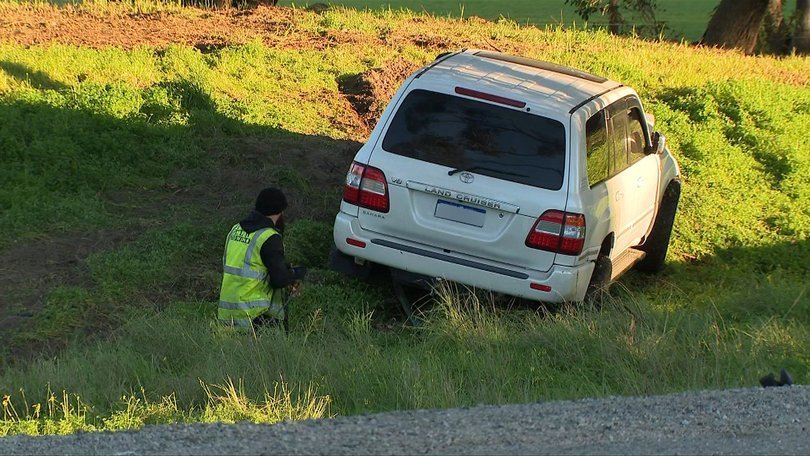
- A 30-year-old woman died in hospital after a Toyota Hilux she was a passenger in was struck by a Toyota LandCruiser driven by a man allegedly fleeing police.
- The driver, 38, was on a one-day driving ban for drug offences and had been pursued by police just minutes before the fatal crash.
- The weekend’s toll brings the year-to-date road deaths to 127, marking the most deadly 7-month period on WA roads in at least a decade.
The past weekend will be etched in the memories of Western Australians for years to come, as six lives were lost in a series of devastating crashes that have left families shattered and police reeling.
The carnage began on Friday afternoon, when a blue Mini Coupe crashed into a tree near Boddington, killing the male driver.
Just five minutes later, another man died after a Mitsubishi Triton slammed into a tree on Brand Highway near Cape Burney, south of Geraldton. The mayhem continued into Saturday, with two people killed in a fiery crash on North West Coastal Highway near Karratha.
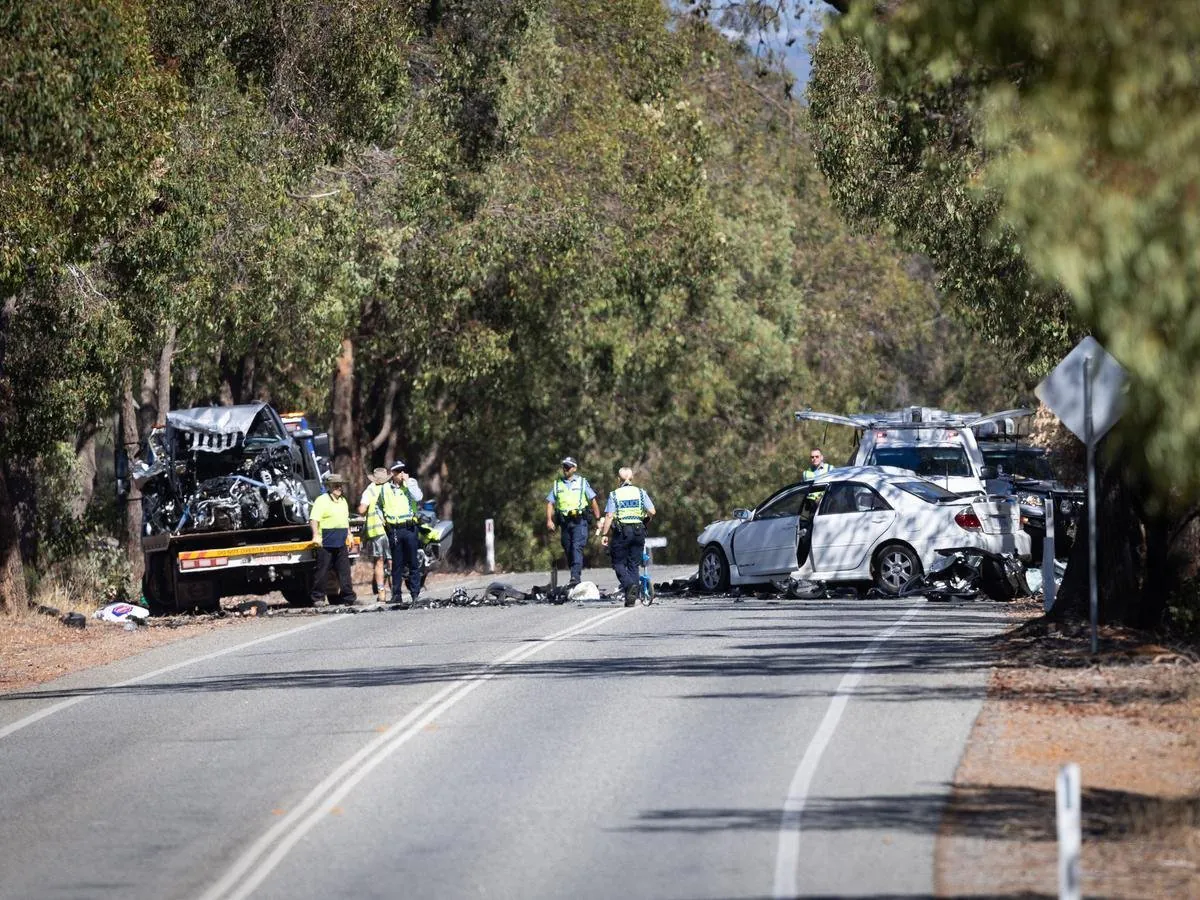
The driver of the second car was critically injured and rushed to hospital.
Later that afternoon, a 75-year-old man was killed in a collision on Brand Highway near Geraldton, bringing the weekend’s toll to six.
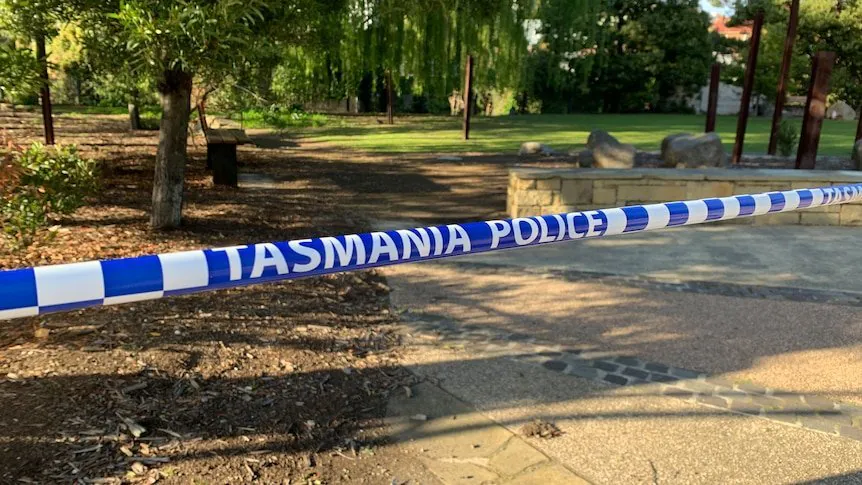
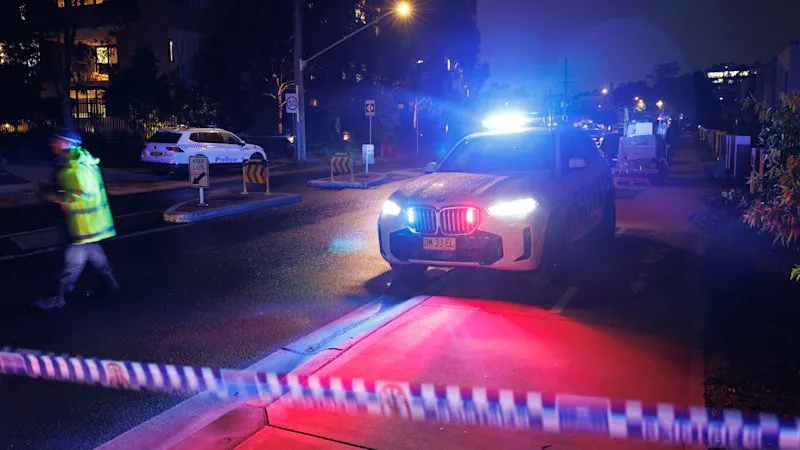
The crashes have sparked an outpouring of grief and outrage, with police and politicians calling for an end to the senseless loss of life on WA roads.
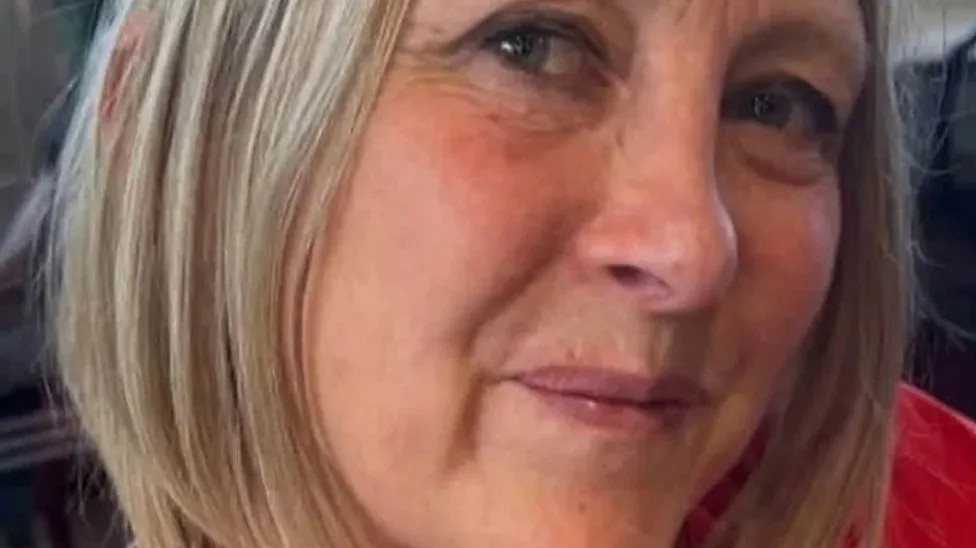
The most shocking incident occurred on Friday night, when a Toyota Hilux carrying 30-year-old Anmary Joy was struck by a Toyota LandCruiser driven by a 38-year-old man who was allegedly fleeing police.
Joy died in hospital, while the driver of the Hilux was seriously injured. The LandCruiser driver had been served with a 24-hour driving ban earlier that day after failing a roadside drug test.
Road Policing Command’s Commander Mike Peters said the driver had deliberately drawn the attention of police by running a red light, prompting a short pursuit that was called off minutes before the fatal crash.
The driver has been charged with a string of offences, including manslaughter, and is currently under police guard in hospital.
“I feel extremely frustrated and extremely disappointed and extremely hurt because I know there’s a whole lot of people, first responders and families who sit behind those six deaths,” Commander Peters said.
“Their lives have changed forever.”
The weekend’s devastation brings the year-to-date road toll to 127 deaths, marking the most deadly 7-month period on WA roads in at least a decade.
Premier Roger Cook said his Government was continuing to invest in road safety initiatives, but acknowledged that more needed to be done to address the staggering number of deaths.
“A dreadful weekend on our roads, and one that just breaks your heart,” Mr Cook said. “Our thoughts go out to all the families and kids impacted by these incidents.
These are dreadfully tragic events, and the impact of them resonates right through the community.”
Analysis: What This Means for Australia
The weekend’s carnage highlights the need for a concerted effort to address the growing road toll in WA. With 127 deaths already this year, the state is on track to record its deadliest year on record.
The incident also raises questions about the effectiveness of current road safety measures and the need for tougher penalties for drivers who flout the law.
Security analysts say that the use of advanced technology, such as AI-powered speed cameras, could play a crucial role in reducing the number of fatalities on WA roads.
However, the latest data shows that drivers are still willing to push the limits, with 114,483 drivers caught speeding by new AI detection cameras in 2025-26 – a 216 per cent increase on the previous year.
Law enforcement insiders warn that the problem is not just about speeding, but also about a culture of complacency among some drivers who believe they can get away with reckless behavior.
“There seems to be a small proportion of West Australians that still don’t think they’re going to get caught, and they still don’t think it happens to them,” Commander Peters said.
Industry observers believe that the WA Government needs to take a more holistic approach to addressing the road toll, including investing in education campaigns and improving road infrastructure.
“Road trauma happens to real people, and there’s six families right now grieving that didn’t probably think it was ever going to happen to them,” Commander Peters said.