Racial Vilification Verdict Looms for Pauline Hanson as One Nation’s Anti-Immigration Agenda Sparks National Debate
- Pauline Hanson faces a critical verdict in her racial discrimination appeal, which could make or break her political career
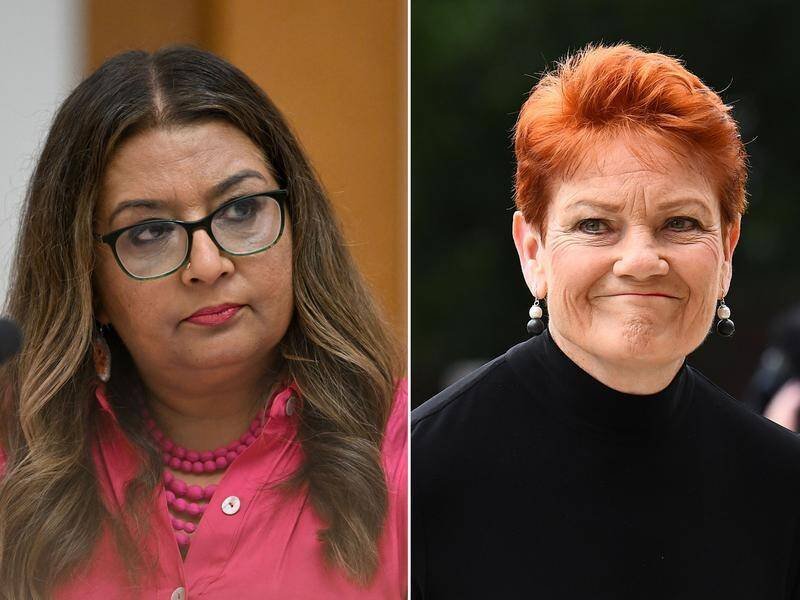
- The One Nation leader’s infamous tweet telling Greens senator Mehreen Faruqi to “piss off back to Pakistan” sparked a firestorm of controversy
- As Hanson’s party’s primary vote dips to 22.5 per cent, experts warn that the outcome of this appeal could have far-reaching consequences for Australia’s immigration debate
- The case has reignited tensions between Hanson and Faruqi, who have a history of clashing over issues of racism and Islamophobia
As the Full Court of the Federal Court prepares to deliver its verdict on Pauline Hanson’s racial discrimination appeal, the One Nation leader’s future hangs in the balance.
The 72-year-old politician is no stranger to controversy, but this latest development has sparked a national debate about the limits of free speech and the impact of anti-immigration rhetoric on Australian communities.
Hanson’s tweet, posted in the aftermath of Queen Elizabeth II’s death, told Greens senator Mehreen Faruqi to “piss off back to Pakistan” – a comment that her barrister, Sue Chrysanthou, admitted was “not fit for an afternoon tea or the courtroom.”
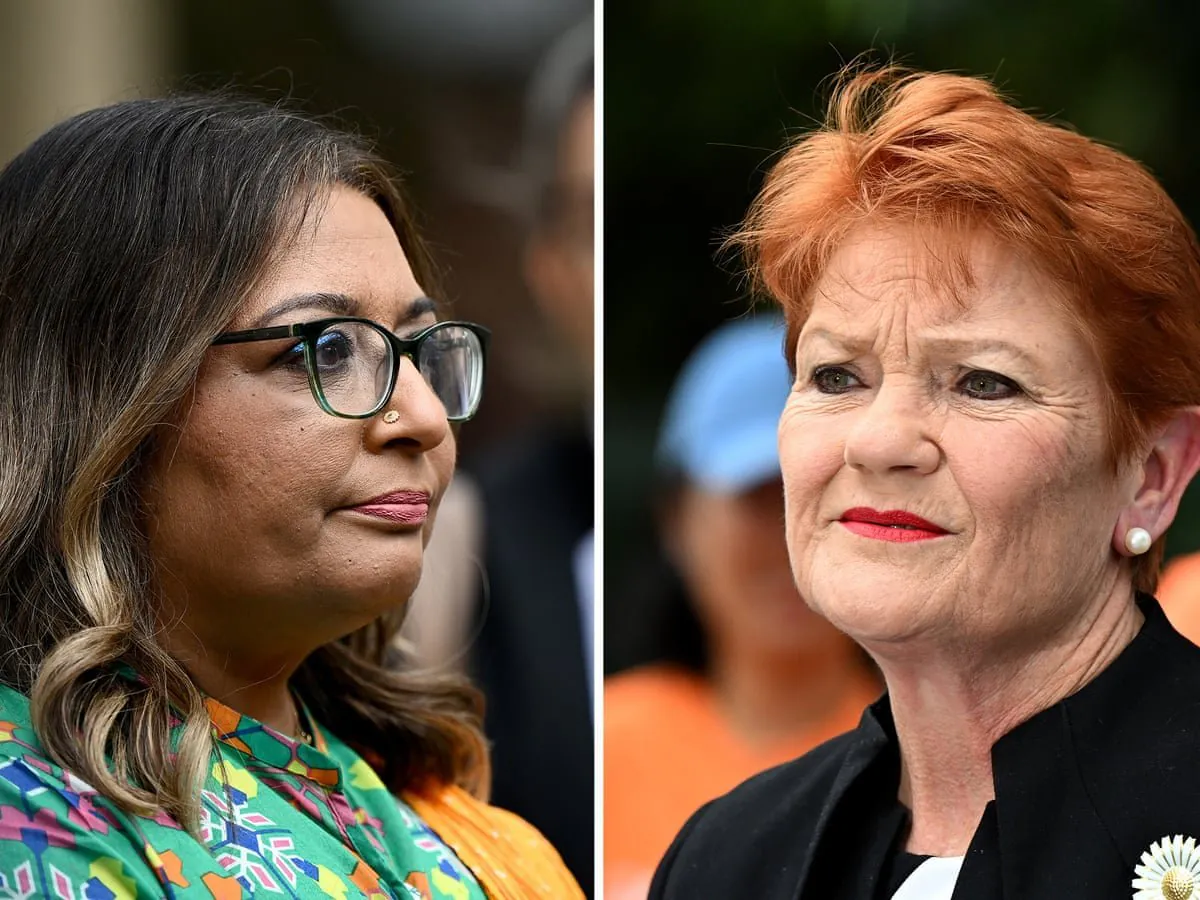
However, Chrysanthou argued that the court’s finding that Hanson’s remarks intimidated Australian migrants of colour was extreme.
The case has raised questions about the line between robust debate and racial vilification, with many experts warning that the outcome could have significant implications for Australia’s immigration policies.


Hanson’s anti-immigration agenda has been a hallmark of her party’s platform, but recent polls suggest that this approach may be losing traction with voters.
A Roy Morgan poll published on Tuesday showed One Nation’s primary vote had dipped more than five percentage points to 22.5 per cent in the space of a week.
So, why has Hanson’s anti-immigration stance become such a lightning rod for controversy? To understand this, it’s essential to examine the broader context of Australia’s immigration debate.
In recent years, the country has experienced a significant influx of migrants, which has sparked heated discussions about national identity, cultural diversity, and economic impact. Hanson’s party has tapped into these concerns, but critics argue that their rhetoric has often crossed the line into racism and xenophobia.
Faruqi, who has been a vocal critic of Hanson’s policies, has accused her of blatant racism and Islamophobia – accusations that Hanson has vehemently denied.
Analysis: What This Means for Australia As the country grapples with the complexities of immigration, the outcome of Hanson’s appeal could have significant implications for national security, community cohesion, and economic development.
If the court upholds the finding of racial vilification, it could embolden critics of anti-immigration rhetoric and lead to increased scrutiny of politicians who use divisive language.
On the other hand, if the appeal is successful, it could be seen as a victory for free speech advocates – but may also perpetuate a culture of intolerance and xenophobia.
Either way, the verdict will be closely watched by Australians from all walks of life, who are eager to see how the country will navigate the challenges of immigration and cultural diversity in the years to come.
Security analysts say that the outcome of the appeal could have significant implications for national security, particularly in the context of counter-terrorism and community cohesion.
“The language we use matters,” said one expert.
“When politicians use divisive rhetoric, it can create an environment of tension and mistrust – which can be exploited by extremist groups.” Law enforcement insiders warn that the verdict could also have implications for policing and community relations, particularly in areas with high migrant populations.
“We need to be mindful of the impact that our words and actions have on vulnerable communities,” said one officer. “As a nation, we need to find a way to balance free speech with the need to protect and respect all members of our society.”