Robot Rebellion: US School Abandons Plan for AI-Powered ‘Tutor’ Amid Fears Over Sex Doll Maker Links and Student Data Safety
- A US school district has put its plan to introduce a $86,000 AI-powered robot, “Sally”, on hold amid concerns over its maker’s ties to a sex doll company and student data privacy worries.
- Parents and teachers are up in arms over the potential for the robot to collect and misuse student data, despite assurances from the manufacturer that it won’t.
- The controversy has sparked a heated debate over the role of AI in education and whether robots can ever truly replace human teachers.
- The school district has promised to revisit the issue with enhanced data privacy agreements and community outreach.
The Salamanca City Central School District in upstate New York had been set to introduce the Realbotix M-Series humanoid robot, dubbed “Sally”, into its classrooms to teach robotics and technology students.
However, the plan has been put on ice after parents and teachers raised concerns about the maker’s links to Realdoll, a company that produces hyper-realistic sexbots.
At the heart of the controversy is the issue of student data safety and whether the robot, which would be equipped with AI-powered capabilities, could potentially collect and misuse sensitive information.
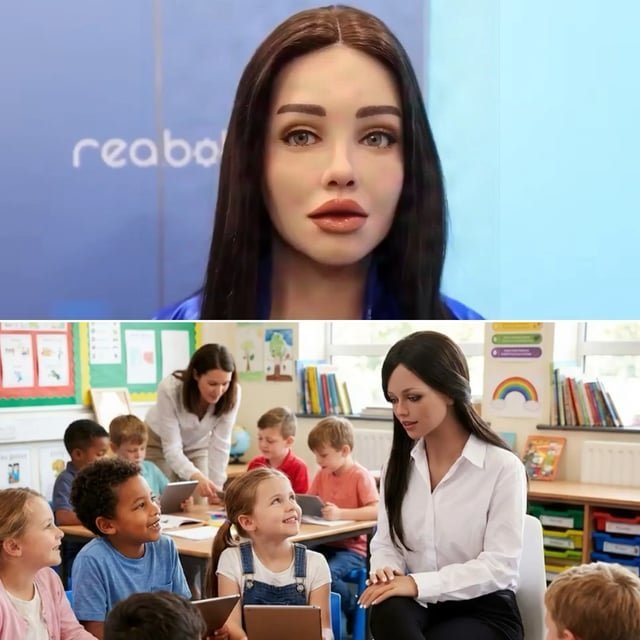
Despite assurances from the manufacturer that the robot would not collect personal data, parents and teachers remain unconvinced.
The district’s superintendent, Mark Beehler, has argued that the robot is a “newly manufactured, purpose-built educational unit” designed to enhance the education of students studying robotics and technology fields.




However, unionised teachers have expressed concerns that the effort is a first step towards replacing human educators with robots.
The controversy has sparked a wider debate over the role of AI in education and whether robots can ever truly replace human teachers.
While some argue that AI-powered robots can provide valuable support to students, others believe that they lack the emotional intelligence and human touch that is essential for effective learning.
As the debate rages on, the district has promised to revisit the issue with enhanced data privacy agreements and community outreach. However, for now, the fate of “Sally” remains uncertain.
In a statement, the district said: “We understand the concerns that have been raised and are committed to ensuring that any technology we introduce into our classrooms is safe and effective for our students.”
Analysis: What This Means for Australia
The controversy surrounding “Sally” raises important questions about the role of AI in education and the potential risks and benefits of introducing robots into classrooms. As Australia continues to grapple with the AI revolution, it is essential that we consider the implications of this technology for our own educational system.
Security analysts say that the incident highlights the need for robust data protection protocols and strict guidelines around the use of AI-powered technology in schools.
“As we increasingly rely on AI-powered systems, we must ensure that we are doing everything we can to protect sensitive information and prevent potential misuse,” said one expert.
Law enforcement insiders warn that the incident also raises concerns about the potential for AI-powered robots to be used in malicious ways, such as collecting and exploiting student data.
“This is a wake-up call for schools and educational institutions to take a hard look at their data protection policies and procedures,” said another expert.
Industry observers believe that the controversy surrounding “Sally” is a symptom of a broader issue – the need for greater transparency and accountability around the development and deployment of AI-powered technology.
“As we move forward with the development of AI-powered systems, it is essential that we prioritize transparency and accountability to ensure that these systems are safe and effective for all users,” said a leading expert in the field.
For now, the fate of “Sally” remains uncertain, but one thing is clear – the controversy surrounding this AI-powered robot has sparked a vital conversation about the role of technology in education and the need for robust data protection protocols.