
‘A New Era for Mental Health’: NSW Ambulance Unveils Virtual Hub to Revolutionize Emergency Response
- People experiencing mental health emergencies in NSW will be met by healthcare workers instead of police under a new model
- The Virtual Mental Health Hub will operate 12 hours a day, with eight teams of clinicians stationed around the state
- The project has been funded with $270 million from the previous state budget to sustain it for the next 10 years
- The move is a major shift in the way mental health emergencies are handled, with experts welcoming the change as a “first step” towards better care
The days of police being the first responders to mental health emergencies in New South Wales are numbered.
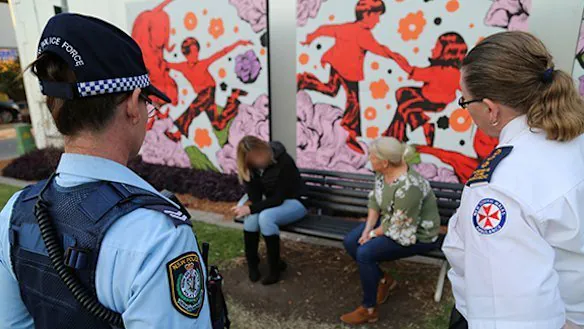
In a groundbreaking move, NSW Ambulance has announced the establishment of a Virtual Mental Health Hub, which will see healthcare workers take the lead in responding to mental health crises.
The new model, funded with $270 million from the previous state budget, is set to revolutionize the way emergency services handle mental health emergencies, and has been welcomed by experts and families affected by mental health issues.
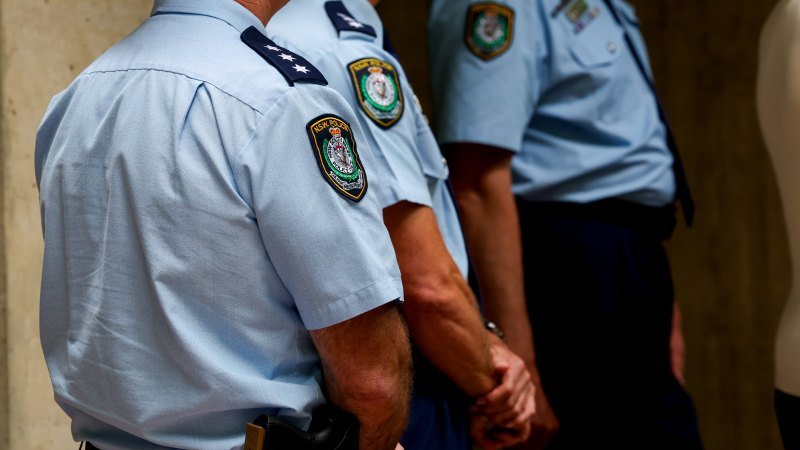
The Virtual Mental Health Hub will operate 12 hours a day, with eight teams of clinicians stationed around the state. The virtual team will advise Triple Zero (000) staff on whether a mental health clinician should attend a call for help, instead of police.
Incidents where there is deemed to be a safety risk will still be attended by police. This change comes after years of calls for reform, including from the coronial inquest into the Bondi Junction mass stabbing and from mental health bodies.
Minister for Mental Health Rose Jackson said the new model has been designed in consultation with NSW Health and NSW Police.
“In many instances, they don’t need a police response with lights and sirens and the way that that can escalate, they need a health response,” she said.
The move is a significant shift in the way mental health emergencies are handled, and has been welcomed by experts and families affected by mental health issues.
The issue of police responding to mental health emergencies has been in focus amid the coronial inquest into the death of Jesse Deacon, who was shot dead by police at his Glebe unit in 2023, after they were called to attend a mental health episode.
His mother Judy Deacon welcomed the announcement as a first step, but questioned whether the funding would be sufficient over a decade, and whether the 12-hour operational period ignored the high number of mental health episodes that occur at night.
“My son and many others would still be alive if this had been in place earlier, and I’m counting on and will be watching to make sure that it’s a success,” Ms Deacon told the ABC.
Minister Jackson responded to those concerns, saying there were hopes the program would be expanded. “I recognise that mental health crises don’t happen within neat 12-hour windows,” Ms Jackson said.
“We’re very open to expansion both of the hours of the virtual clinical care centre and of the mobile teams.”
Analysis: What This Means for AustraliaThe establishment of the Virtual Mental Health Hub is a significant step towards addressing the mental health crisis in Australia.
With mental health emergencies on the rise, it is essential that emergency services are equipped to respond in a way that prioritizes the safety and well-being of those in crisis.
By having healthcare workers take the lead in responding to mental health emergencies, NSW Ambulance is acknowledging that mental health crises require a health response, not a police response.
This move also highlights the need for a more nuanced approach to mental health care in Australia.
For too long, mental health has been stigmatized and marginalized, with those experiencing mental health issues often being treated as a burden on the system rather than as individuals in need of care and support.
The Virtual Mental Health Hub is a step towards changing this narrative, and towards creating a more compassionate and supportive mental health system.
Security analysts say that the Virtual Mental Health Hub is a significant step towards addressing the mental health crisis in Australia, and that it has the potential to reduce the number of adverse incidents involving police and individuals in mental health crisis.
“By having healthcare workers take the lead in responding to mental health emergencies, NSW Ambulance is acknowledging that mental health crises require a health response, not a police response,” said one analyst.
“This is a major shift in the way emergency services handle mental health emergencies, and it has the potential to save lives.”
Law enforcement insiders warn that the Virtual Mental Health Hub is not a silver bullet, and that there are still many challenges to be addressed in terms of mental health care in Australia.
“While this is a step in the right direction, we still need to address the underlying issues that are driving the mental health crisis in Australia,” said one insider.
“We need to invest in mental health services, and we need to make sure that those services are accessible and affordable for all Australians.”
The Virtual Mental Health Hub is a significant step towards addressing the mental health crisis in Australia, and it has the potential to reduce the number of adverse incidents involving police and individuals in mental health crisis.
With mental health emergencies on the rise, it is essential that emergency services are equipped to respond in a way that prioritizes the safety and well-being of those in crisis.
The days of police being the first responders to mental health emergencies in New South Wales are numbered. In a groundbreaking move, NSW Ambulance has announced the establishment of a Virtual Mental Health Hub, which will see healthcare workers take the lead in responding to mental health crises. The new model, funded with $270 million from the previous state budget, is set to revolutionize the way emergency services handle mental health emergencies, and has been welcomed by experts and families affected by mental health issues.
The Virtual Mental Health Hub will operate 12 hours a day, with eight teams of clinicians stationed around the state. The virtual team will advise Triple Zero (000) staff on whether a mental health clinician should attend a call for help, instead of police. Incidents where there is deemed to be a safety risk will still be attended by police. This change comes after years of calls for reform, including from the coronial inquest into the Bondi Junction mass stabbing and from mental health bodies.
Minister for Mental Health Rose Jackson said the new model has been designed in consultation with NSW Health and NSW Police. “In many instances, they don’t need a police response with lights and sirens and the way that that can escalate, they need a health response,” she said. The move is a significant shift in the way mental health emergencies are handled, and has been welcomed by experts and families affected by mental health issues.
The issue of police responding to mental health emergencies has been in focus amid the coronial inquest into the death of Jesse Deacon, who was shot dead by police at his Glebe unit in 2023, after they were called to attend a mental health episode. His mother Judy Deacon welcomed the announcement as a first step, but questioned whether the funding would be sufficient over a decade, and whether the 12-hour operational period ignored the high number of mental health episodes that occur at night.
“My son and many others would still be alive if this had been in place earlier, and I’m counting on and will be watching to make sure that it’s a success,” Ms Deacon told the ABC. Minister Jackson responded to those concerns, saying there were hopes the program would be expanded. “I recognise that mental health crises don’t happen within neat 12-hour windows,” Ms Jackson said. “We’re very open to expansion both of the hours of the virtual clinical care centre and of the mobile teams.”
The establishment of the Virtual Mental Health Hub is a significant step towards addressing the mental health crisis in Australia. With mental health emergencies on the rise, it is essential that emergency services are equipped to respond in a way that prioritizes the safety and well-being of those in crisis. By having healthcare workers take the lead in responding to mental health emergencies, NSW Ambulance is acknowledging that mental health crises require a health response, not a police response.
This move also highlights the need for a more nuanced approach to mental health care in Australia. For too long, mental health has been stigmatized and marginalized, with those experiencing mental health issues often being treated as a burden on the system rather than as individuals in need of care and support. The Virtual Mental Health Hub is a step towards changing this narrative, and towards creating a more compassionate and supportive mental health system.
Security analysts say that the Virtual Mental Health Hub is a significant step towards addressing the mental health crisis in Australia, and that it has the potential to reduce the number of adverse incidents involving police and individuals in mental health crisis. “By having healthcare workers take the lead in responding to mental health emergencies, NSW Ambulance is acknowledging that mental health crises require a health response, not a police response,” said one analyst. “This is a major shift in the way emergency services handle mental health emergencies, and it has the potential to save lives.”
Law enforcement insiders warn that the Virtual Mental Health Hub is not a silver bullet, and that there are still many challenges to be addressed in terms of mental health care in Australia. “While this is a step in the right direction, we still need to address the underlying issues that are driving the mental health crisis in Australia,” said one insider. “We need to invest in mental health services, and we need to make sure that those services are accessible and affordable for all Australians.”
The Virtual Mental Health Hub is a significant step towards addressing the mental health crisis in Australia, and it has the potential to reduce the number of adverse incidents involving police and individuals in mental health crisis. With mental health emergencies on the rise, it is essential that emergency services are equipped to respond in a way that prioritizes the safety and well-being of those in crisis.