‘National Security at Risk’: Home Affairs Minister Tony Burke Under Fire for Not Doing Enough to Stop Islamic State-Linked Australians from Returning
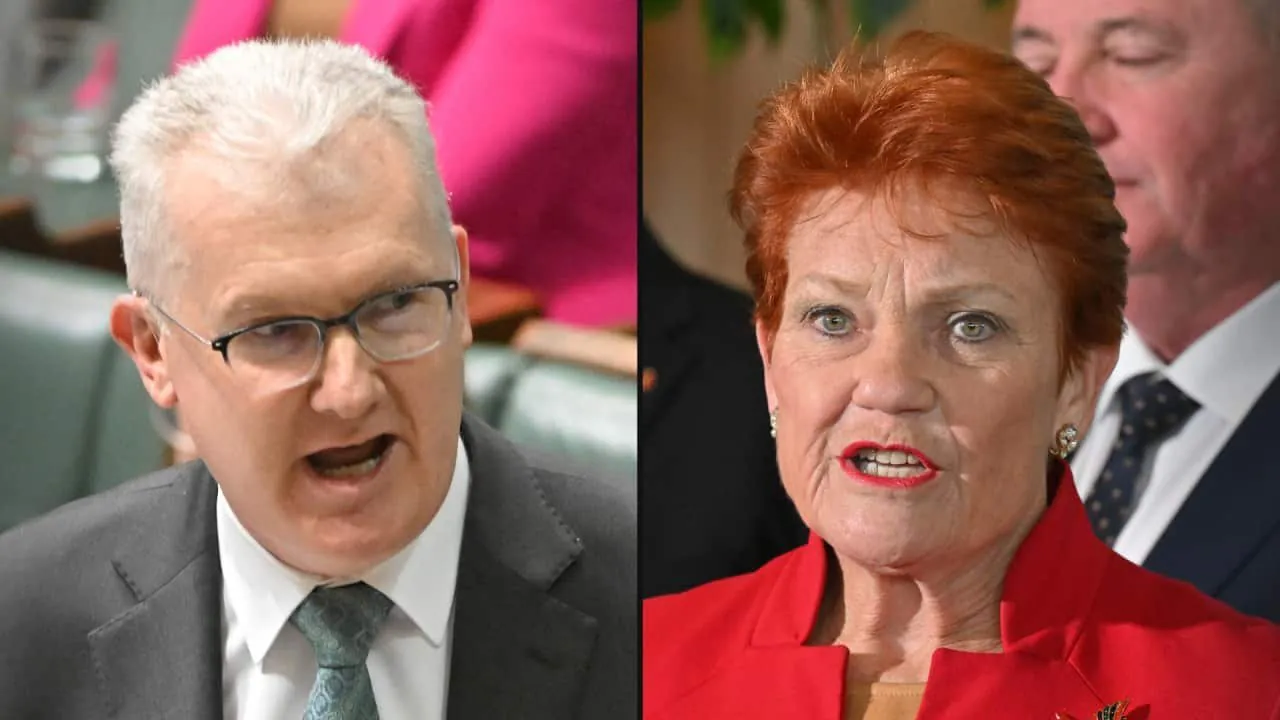
- Home Affairs Minister Tony Burke says current laws limiting the return of Islamic State-linked Australians go “right to the limit” of what the government can do constitutionally.
- One Nation leader Pauline Hanson wants to introduce a bill to cancel the passports of Australians who have been charged or convicted of a terrorism offence.
- Experts warn that Australia’s national security is at risk if Islamic State-linked Australians are allowed to return, and that the government needs to do more to prevent this.
- The issue has sparked a heated debate about the balance between national security and individual rights, with some arguing that the government needs to take a tougher stance.
The home affairs minister’s comments have sparked a fresh debate about the government’s approach to dealing with Islamic State-linked Australians who want to return to the country.
While Burke says the current laws go as far as they can constitutionally, opposition parties and experts are calling for tougher measures to be taken.
The issue is particularly sensitive given the recent arrest of Labor MP Luke Gosling, who has been charged with assaulting the Northern Territory Administrator. Gosling’s lawyer says he denies the allegations and will contest them, but the incident has raised questions about the government’s handling of sensitive cases.
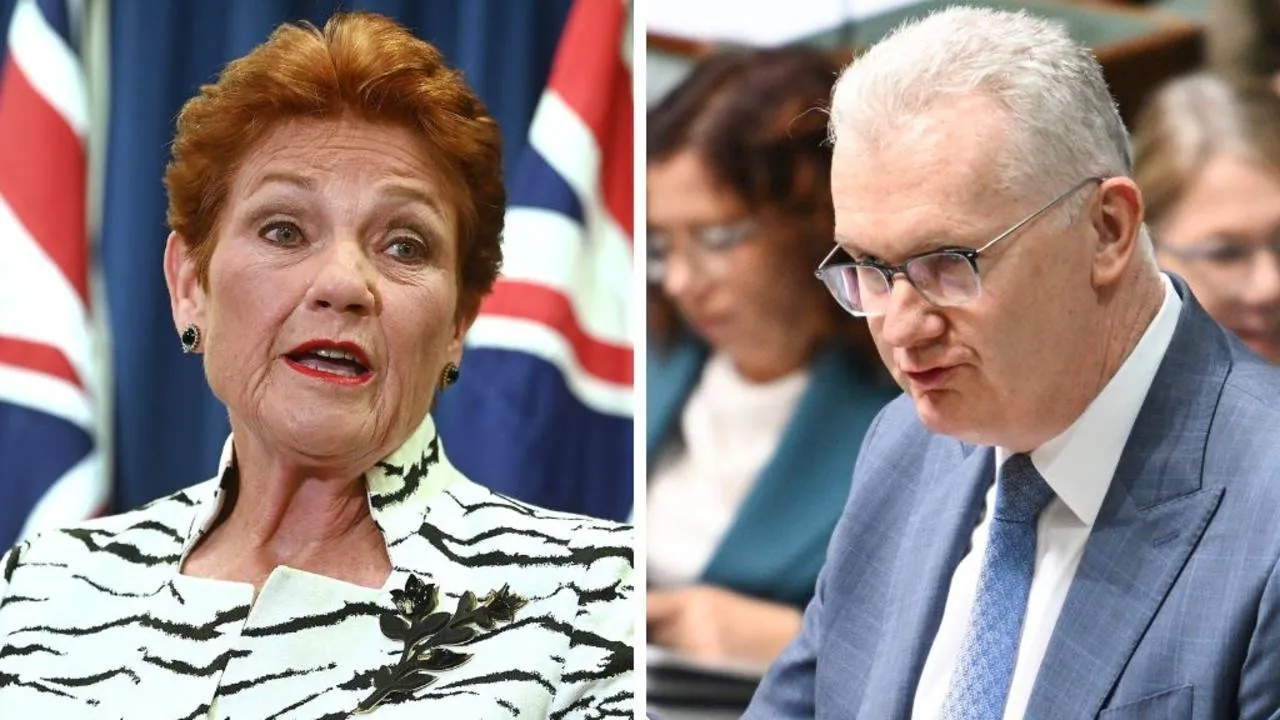
Burke’s comments on the limits of the current laws have been met with skepticism by some, who argue that the government needs to do more to prevent Islamic State-linked Australians from returning.
One Nation leader Pauline Hanson has proposed a bill that would cancel the passports of Australians who have been charged or convicted of a terrorism offence, but Burke says this would not withstand a High Court challenge.



The debate has also raised questions about the balance between national security and individual rights.
While some argue that the government needs to take a tougher stance on Islamic State-linked Australians, others say that this would infringe on the rights of citizens and could lead to further radicalization.
Analysis: What This Means for Australia
The issue of Islamic State-linked Australians returning to the country is a complex one, and the government’s approach will have significant implications for national security.
While Burke says the current laws go as far as they can constitutionally, experts warn that this may not be enough to prevent the return of individuals who pose a risk to the community.
Security analysts say that the government needs to take a more proactive approach to dealing with Islamic State-linked Australians, including cancelling their passports and preventing them from returning to the country.
This would require a significant shift in the government’s approach, but experts say it is necessary to protect national security.
Law enforcement insiders warn that the current laws are not sufficient to prevent the return of Islamic State-linked Australians, and that the government needs to do more to support the agencies tasked with keeping the community safe.
This includes providing additional resources and support for intelligence agencies, as well as strengthening laws to prevent the spread of extremist ideology.
The issue is also likely to have significant implications for the community, particularly in terms of public safety.
Experts say that the return of Islamic State-linked Australians could lead to an increased risk of terrorism, and that the government needs to take steps to mitigate this risk.
Ultimately, the debate highlights the need for a nuanced approach to dealing with Islamic State-linked Australians.
While the government needs to balance national security concerns with individual rights, it is clear that more needs to be done to prevent the return of individuals who pose a risk to the community.
As the debate continues, it is likely that the government will come under increasing pressure to take a tougher stance on Islamic State-linked Australians.
Whether this will involve cancelling passports, strengthening laws, or providing additional support for intelligence agencies remains to be seen, but one thing is clear: the issue is not going away anytime soon.