Face of the Future: Kiwis Set to Ditch Cash and Cards for Biometric Payments, But What Does it Mean for Australia’s Digital Identity Crisis?
- Kiwis could soon be making purchases with just their face, as Eftpos New Zealand launches a new range of biometric payment terminals that support facial and palm recognition.
- The technology has the potential to revolutionize the checkout experience, making it faster and more secure, but raises concerns about data privacy and security.
- As Australia’s payment landscape continues to evolve, experts warn that the country must address its digital identity crisis to keep up with the latest advancements in biometric technology.
- The launch of biometric payments in New Zealand has sparked debate about the future of cashless transactions and the potential risks and benefits for consumers and businesses.
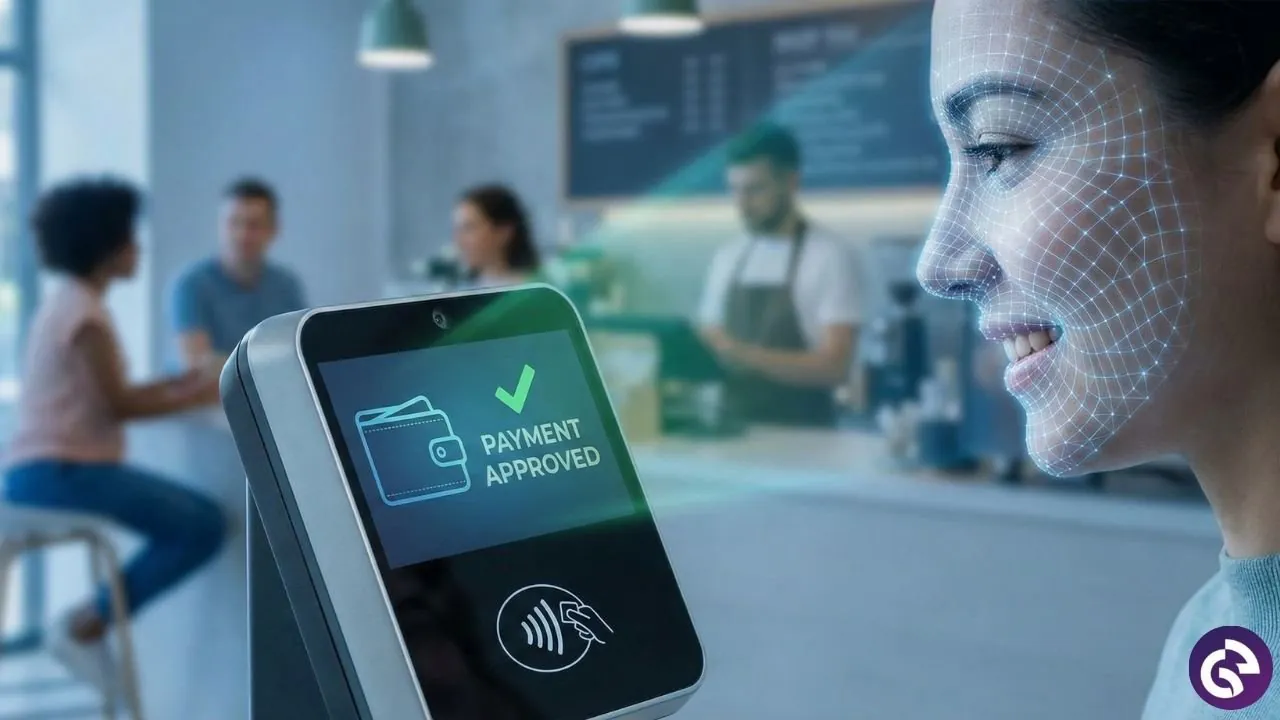
In a move that could signal the end of cash and cards, Eftpos New Zealand has launched a new range of biometric payment terminals that allow shoppers to pay with their faces or palms.
The innovative technology, known as Verifone Victa, uses Android-based terminals that can also act as age-verification tools and integrate with retailer loyalty programs.
According to Eftpos New Zealand, the hardware is ready to support biometric payments, but the infrastructure to support this functionality is not yet available in New Zealand.
However, the company is confident that the technology will be a game-changer for the retail industry. “The details are already there,” said Retail NZ chief executive Carolyn Young, referencing the existing use of biometric payments in digital transactions.
“I think if we think a little bit, there’s some biometric payments that already take place.”




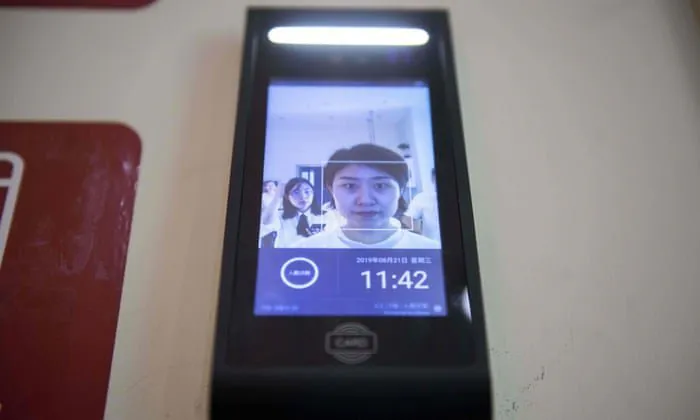
So, how does it work? The biometric payment terminals use facial recognition software to identify the user and link them to their bank account.
The technology is designed to be secure, with Eftpos New Zealand stressing that the Victa is “built to the industry’s highest security standards, with the flexibility of a modern Android platform underneath.” But what about data privacy concerns?
Kristy Gregory, Eftpos New Zealand’s head of merchant sales and strategic partners, told the NZ Herald that the data “sits with their chosen consumer platform, governed by the same privacy regulations that apply to any other digital service.”
As Australia’s payment landscape continues to evolve, experts warn that the country must address its digital identity crisis to keep up with the latest advancements in biometric technology.
“Australia is lagging behind in terms of digital identity,” said one security analyst. “We need to invest in infrastructure and education to ensure that we can support the latest biometric technologies and protect consumers’ sensitive information.”
Analysis: What This Means for Australia
The launch of biometric payments in New Zealand has significant implications for Australia’s digital identity crisis.
As the country struggles to keep up with the latest advancements in biometric technology, experts warn that we must invest in infrastructure and education to support the latest innovations.
“Biometric payments are the future,” said one industry insider. “But we need to ensure that we have the right systems in place to protect consumers’ sensitive information and prevent identity theft.”
Security analysts say that the use of biometric payments raises concerns about data privacy and security. “We need to be careful about who has access to our biometric data and how it is stored,” said one expert.
“We don’t want to create a system that is vulnerable to hacking and identity theft.”
Industry observers believe that the launch of biometric payments in New Zealand will put pressure on Australian retailers to follow suit. “Australian retailers will need to invest in biometric technology to keep up with consumer demand,” said one industry insider.
“But they need to be careful about how they implement this technology to ensure that it is secure and protects consumers’ sensitive information.”
As the use of biometric payments becomes more widespread, experts warn that we must be mindful of the potential risks and benefits. “Biometric payments have the potential to revolutionize the checkout experience,” said one security analyst.
“But we need to ensure that we have the right systems in place to protect consumers’ sensitive information and prevent identity theft.”