Petrol Price Shock: Fuel Tax Discount Ends, Unleaded to Soar Beyond $2 a Litre as Motorists Face Financial Squeeze
- Petrol prices set to jump as national fuel tax discount ends at midnight, with unleaded expected to reach over $2 a litre
- Wholesale prices to rise by about 17 cents per litre, with diesel forecast to reach between $2.30 and $2.40 a litre
- No capital city will escape the price hike, with households already struggling with rising living costs to bear the brunt
- Experts warn of potential for panic buying, urging motorists to fill up only what they need and avoid stockpiling fuel
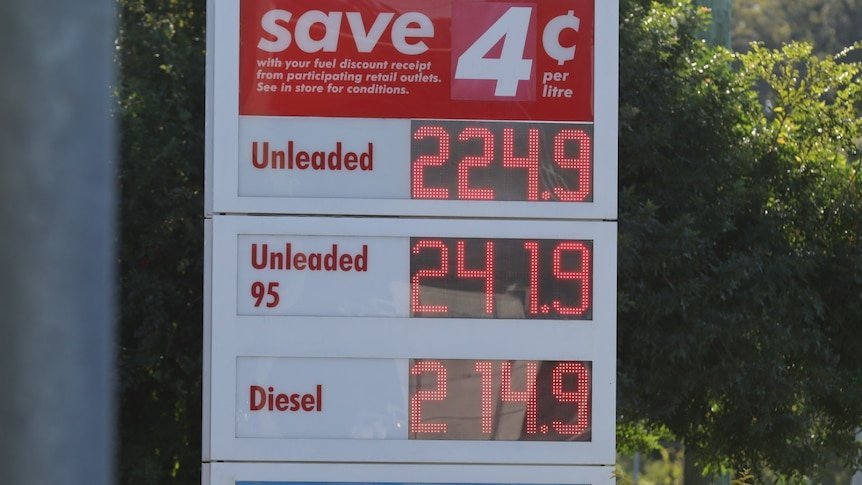
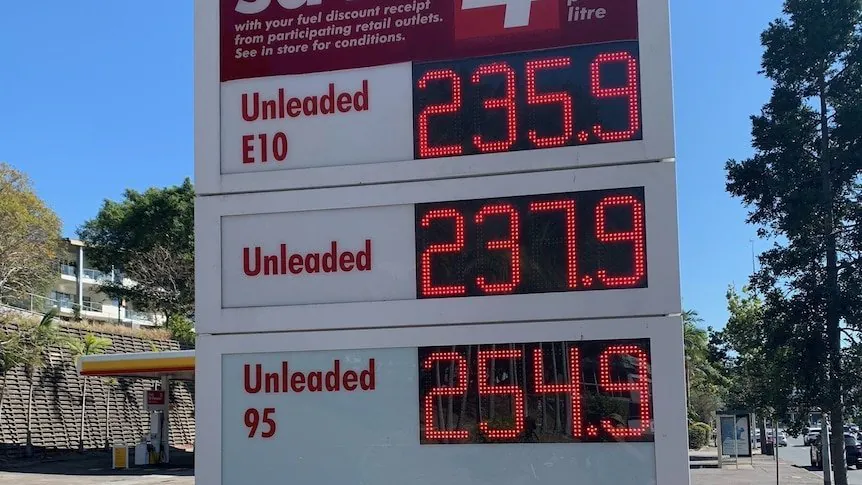
The end of the national fuel tax discount at midnight will mark the beginning of a painful period for Australian motorists, with unleaded petrol prices expected to soar beyond $2 a litre.
The wholesale price of petrol and diesel will rise by about 17 cents per litre, with the full effect of the increase likely to take months to be felt.
The news comes as a blow to households already struggling with rising living costs, and experts are warning of the potential for panic buying and further price hikes.
The federal government’s temporary subsidy on the fuel tax, introduced in April to provide relief for motorists amid the war in the Middle East, will now disappear entirely.
The 16-cent-a-litre discount had been retained for an additional month after the government wound back its initial emergency fuel excise cut in July.




However, the temporary relief will now come to an end, and motorists will be forced to bear the full brunt of the price increase.
According to NRMA spokesperson Peter Khoury, the price increase will take time to pass across the country, but it will inevitably have a significant impact on households.
“You won’t see it immediately at the bowser. It will take time for those increases to pass across the country, but increase they will,” Khoury told Sunrise on Saturday.
The current unleaded averages for capital cities range from 192.1 cents per litre in Perth to 207.3 cents per litre in Darwin, with all cities expected to see prices climb beyond $2 a litre.
The recent easing in global oil prices, from more than $142 a barrel to about $133, may provide some cushioning for the coming increase.
However, Australians can still expect the pain to build throughout next week as service stations progressively replace their existing supplies with fuel purchased at the higher wholesale price.
AMP Chief Economist Dr Shane Oliver warned that the price increases would take a few months to flow through to supermarkets, but the impact would be felt across the economy.
“It takes a while for the prices to go up. They won’t go up instantaneously, as we saw with the first halving of the fuel tax cut earlier in July,” Dr Oliver said.
“It will show up in the next couple of months.” The economist also warned that the impact extends beyond just the tax change, with rising oil prices due to the escalating war in the Middle East adding to costs for plastics, fertilisers, and airfares.
Analysis: What This Means for Australia
The end of the fuel tax discount is a stark reminder of Australia’s reliance on fossil fuels and the vulnerability of the economy to global events.
As the country faces rising living costs and economic uncertainty, the price hike will have a significant impact on households and businesses. The increase will also have broader implications for the economy, with potential flow-on effects for inflation, interest rates, and economic growth.
Security analysts say that the price hike highlights the need for Australia to diversify its energy sources and reduce its reliance on fossil fuels. “The long-term solution involves becoming less dependent on fossil fuels, through electrification,” Dr Oliver said.
“Short-term solutions involve becoming less dependent on the Middle East for oil.” Industry observers believe that the price hike will also have significant implications for the transport sector, with potential increases in the cost of goods and services.
As the country faces this new challenge, motorists are urged to be mindful of their fuel consumption and to fill up only what they need.
With the price hike expected to take months to be felt, it is essential for households and businesses to be prepared for the coming increase and to take steps to mitigate its impact.