The Hidden Face of Homelessness: How Thousands of Young Australians Are Falling Through the Cracks
- 25% of Australians experiencing homelessness are aged between 12 and 25, with experts warning the true figure is likely to be even higher.
- The biggest cause of homelessness for young people is being forced to flee their family home due to domestic violence, not poor decisions or personal choices.
- A staggering 50% of Australians believe becoming homeless is a personal choice for young people, highlighting the stigma surrounding the issue.
- A Melbourne-based social enterprise is working to challenge this misconception and provide support to young people affected by homelessness and hardship.
The streets of Melbourne may seem like an unlikely place to find a beacon of hope for young people struggling with homelessness, but for Stephanie Say, CEO of HoMie, it’s a reality she’s determined to change.
With a background in supporting people experiencing homelessness, unemployment, and disadvantage, Say knows firsthand the misconceptions surrounding the issue. “The most alarming thing is that it’s largely invisible,” she says.
“That’s why the vast majority of Australians don’t have a grasp of just how bad the issue is.”
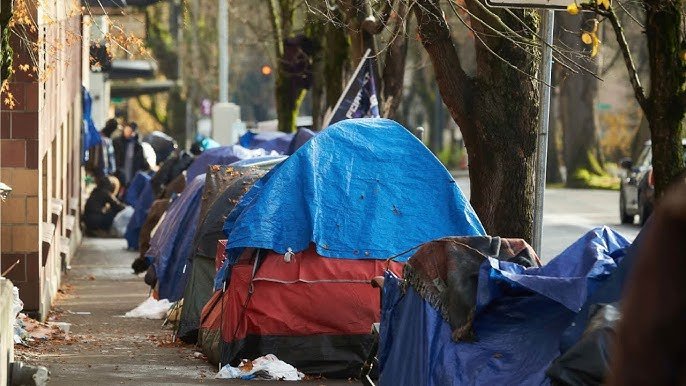
The latest Census figures reveal that 25% of Australians experiencing homelessness are aged between 12 and 25. Say believes these numbers are likely to be even higher when the next data is released.
“We’re going to see much worse numbers, and the lengths that young people are going to, to try to find a safe place to call home, is really…


it’s not good enough,” she warns. The reality is stark: on any given night, the number of Australians experiencing homelessness could fill the Melbourne Cricket Ground (MCG).
So, what drives young people to become homeless? Say is adamant that it’s not a matter of personal choice or poor decisions.
“The biggest cause of homelessness for young people is being forced to flee their family home due to domestic violence,” she explains. “Then, the lack of affordable housing makes it difficult for them to find another stable home.
Neither of those things are the fault of a young person.” The statistics bear this out: recent research by HoMie found that over half of Australians believe becoming homeless is a personal choice for young people, highlighting the stigma surrounding the issue.
For Say, the solution lies in challenging this misconception and providing support to young people affected by homelessness and hardship. HoMie, the Melbourne-based social enterprise she leads, offers a unique environment where young people can access opportunities, confidence, and practical support.
All profits from the streetwear label are reinvested into the organisation’s four programs, which help young people experiencing homelessness build brighter futures.
Analysis: What This Means for Australia
The issue of youth homelessness has significant implications for Australia’s social and economic fabric.
With young people unemployed at twice the rate of the broader Australian population, the lack of affordable housing and job opportunities creates a perfect storm that can lead to homelessness.
As Say notes, “It’s a systemic failure, not a personal failure.” The stigma surrounding homelessness only exacerbates the problem, making it harder for young people to seek help and support.
Law enforcement insiders warn that the consequences of ignoring this issue can be severe. “If we don’t address the root causes of homelessness, we’ll continue to see young people falling through the cracks,” says one expert.
“This can lead to a range of negative outcomes, including increased crime, poor mental and physical health, and a higher risk of exploitation.”
Industry observers believe that organisations like HoMie are crucial in providing a safety net for young people affected by homelessness. “These social enterprises offer a unique opportunity for young people to access support, training, and employment,” says one analyst.
“By investing in these organisations, we can help break the cycle of homelessness and create a more inclusive and compassionate society.”
As Say looks to the future, she’s optimistic about the impact that HoMie can make. “We offer something that’s very unique, very special, and we see really incredible outcomes for the young people we work with,” she says.
With the Global Impact Summit on the horizon, HoMie is set to connect with other like-minded organisations and individuals who share a common goal: tackling Australia’s biggest social challenges.
As Say notes, “It’s really all of us coming together to see how we can tackle some of Australia’s biggest social issues.” homelessness crisis Australian Bureau of Statistics