
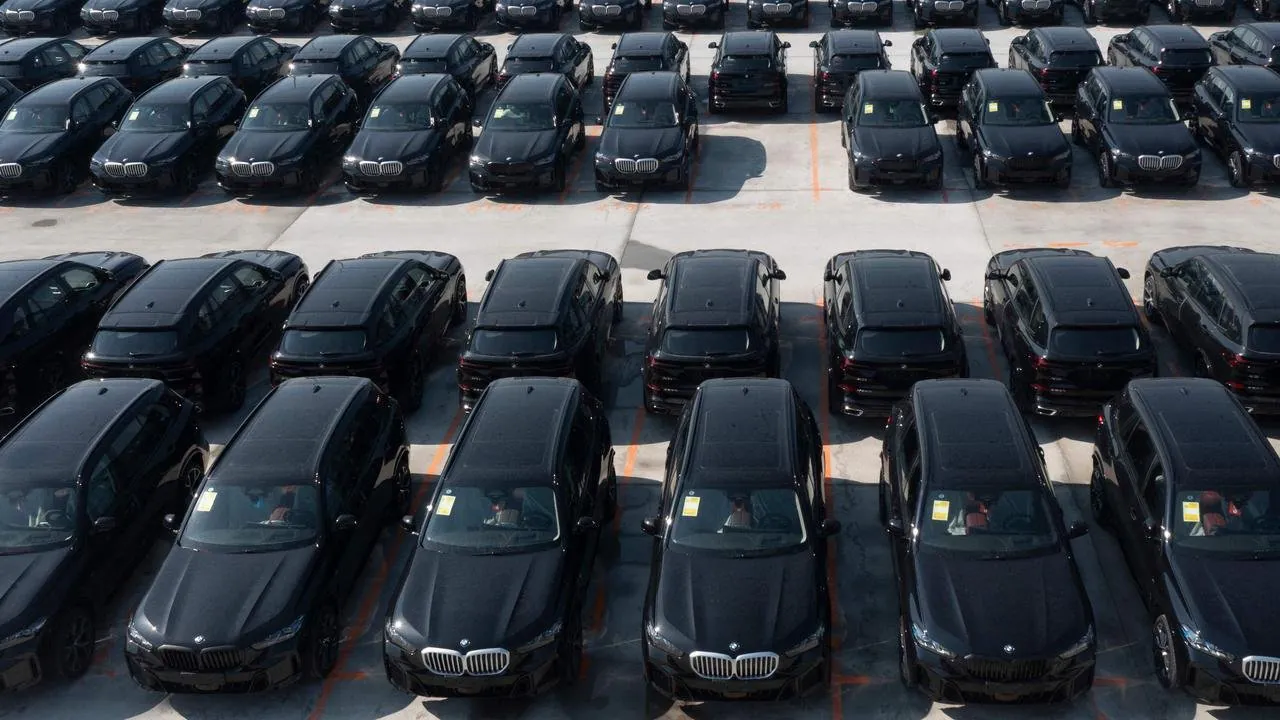
BMW’s Desperate Bid to Survive: 8,000 Jobs on the Chopping Block as Chinese EV Giants Close In
- BMW set to axe 8,000 jobs in Germany as it struggles to compete with Chinese EV brands
- Job cuts come as the automotive industry grapples with slowing demand, rising costs, and fierce competition
- BMW joins Porsche and Volkswagen Group in restructuring efforts, with more expected to follow
- Chinese EV brands continue to dominate the global market, forcing legacy brands to rethink their strategies
The once-mighty BMW is on the brink of a major overhaul, with the German luxury carmaker set to axe a staggering 8,000 jobs in its homeland.
The move is a desperate bid to stay afloat in an industry under siege from Chinese electric vehicle (EV) brands, which are rapidly expanding their global footprint and leaving traditional manufacturers in their wake.
The job cuts, expected to come from administration and development rather than manufacturing, are a stark reminder of the intense pressure China is placing on luxury automakers.
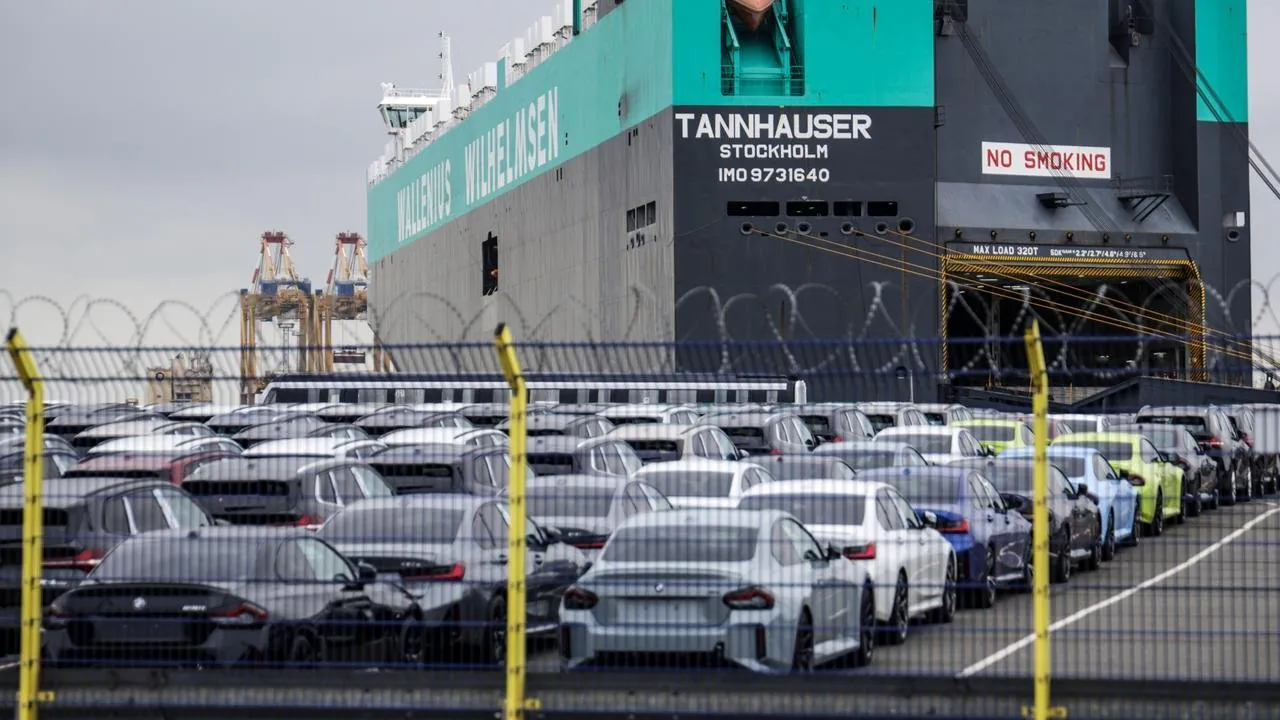
BMW’s woes are not unique, with Porsche and Volkswagen Group already announcing plans to slash thousands of jobs in a bid to stay competitive.
The industry is grappling with slowing demand, rising costs, and fierce competition from Chinese brands, which are no longer content to simply dominate their domestic market.
BMW’s spokesperson said the company was proactively responding to major changes across the automotive industry, including the technological transformation of the sector, geopolitical uncertainties, changing market conditions, and developments in China.
But the reality is that BMW is playing catch-up in a market that is rapidly shifting towards electric vehicles. The company’s plans to cut jobs and restructure its operations are a clear indication that it is struggling to keep pace with its Chinese rivals.
Germany’s carmakers have come under intense pressure in recent years as Chinese brands have expanded their global footprint, particularly in the electric vehicle market.
Chinese manufacturers are no longer just dominating in China; they have become a serious force across Europe, forcing legacy brands to rethink their strategies and cut costs to remain competitive.
The likes of BYD, Geely, and Changan are leading the charge, with their affordable and technologically advanced EVs proving to be a major draw for consumers.
The Australian market is one of the clearest examples of China’s growing dominance. Australia’s tariff-free market has allowed Chinese brands to use the country as a proving ground, and it has paid off.
China has overtaken Japan as the primary source of new vehicles sold nationwide, with BYD cementing itself as a top-three brand in Australia with a near first-place finish in monthly sales in June.
Analysis: What This Means for Australia
The job cuts at BMW may not have a direct impact on Australian buyers, but they are a stark reminder of the intense pressure China is placing on traditional luxury automakers.
As the global market continues to shift towards electric vehicles, Australian consumers can expect to see more and more Chinese brands entering the market. This could lead to increased competition and lower prices, but it also raises concerns about the impact on local jobs and the economy.
Security analysts say that the rise of Chinese EV brands poses a significant challenge for Australia’s national security. As the country becomes increasingly reliant on Chinese technology, there are concerns about the potential for cyber attacks and data breaches.
“The growing dominance of Chinese EV brands in Australia is a wake-up call for our national security agencies,” said one analyst. “We need to be careful about the technology we’re allowing into our country and the potential risks it poses.”
Law enforcement insiders warn that the influx of Chinese EVs could also lead to an increase in counterfeit parts and intellectual property theft.
“We’re already seeing a rise in counterfeit car parts coming into the country, and the more Chinese EVs we have on the road, the more vulnerable we are to this type of crime,” said one insider.
Industry observers believe that the job cuts at BMW are just the beginning. As the automotive industry continues to evolve, more and more manufacturers will be forced to restructure and cut costs to remain competitive.
This could lead to a wave of job losses across the sector, with significant economic and social consequences for Australia.