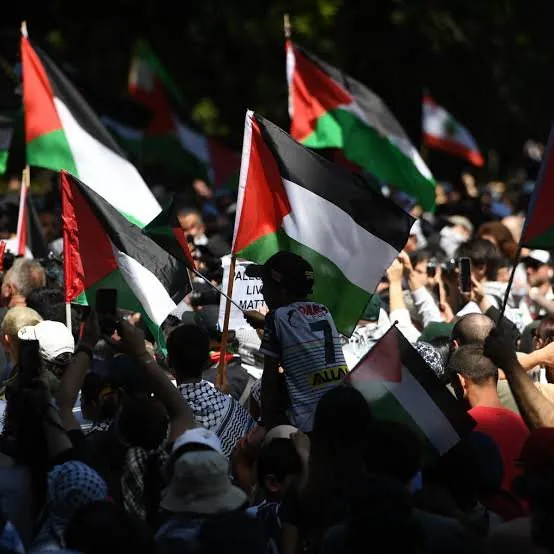
Sydney Opera House Descends into Chaos as Pro-Palestinian Protesters Unleash ‘Appalling’ Antisemitic Abuse
- Pro-Palestinian protesters at a Sydney rally hurled antisemitic abuse, lit flares, and threw fireworks onto the Opera House forecourt steps.
- The Jewish Board of Deputies president, David Ossip, slammed the protesters’ actions as “appalling” and a “scene of international disgrace and infamy”.
- The antisemitism royal commission heard that police advised the Jewish community to avoid the Sydney CBD on the night of the protest, citing safety concerns.
- The inquiry is examining how police respond to protests, with the October 9, 2023, pro-Palestinian rally and a neo-Nazi rally outside the NSW Parliament on November 8, 2025, being used as examples.
The Sydney Opera House, an iconic symbol of Australian culture and unity, was transformed into a scene of chaos and antisemitic abuse on October 9, 2023, as pro-Palestinian protesters clashed with police and hurled vile insults at the Jewish community.
The antisemitism royal commission, established to examine the rise of antisemitism in Australia, heard that the protesters’ actions were “appalling” and a “scene of international disgrace and infamy”.
The Jewish Board of Deputies president, David Ossip, addressed the inquiry, recounting how he first learned about the pro-Palestinian rally on the evening of October 7, shortly after Israelis were killed and taken hostage in an attack by terrorist group Hamas in southern Israel.
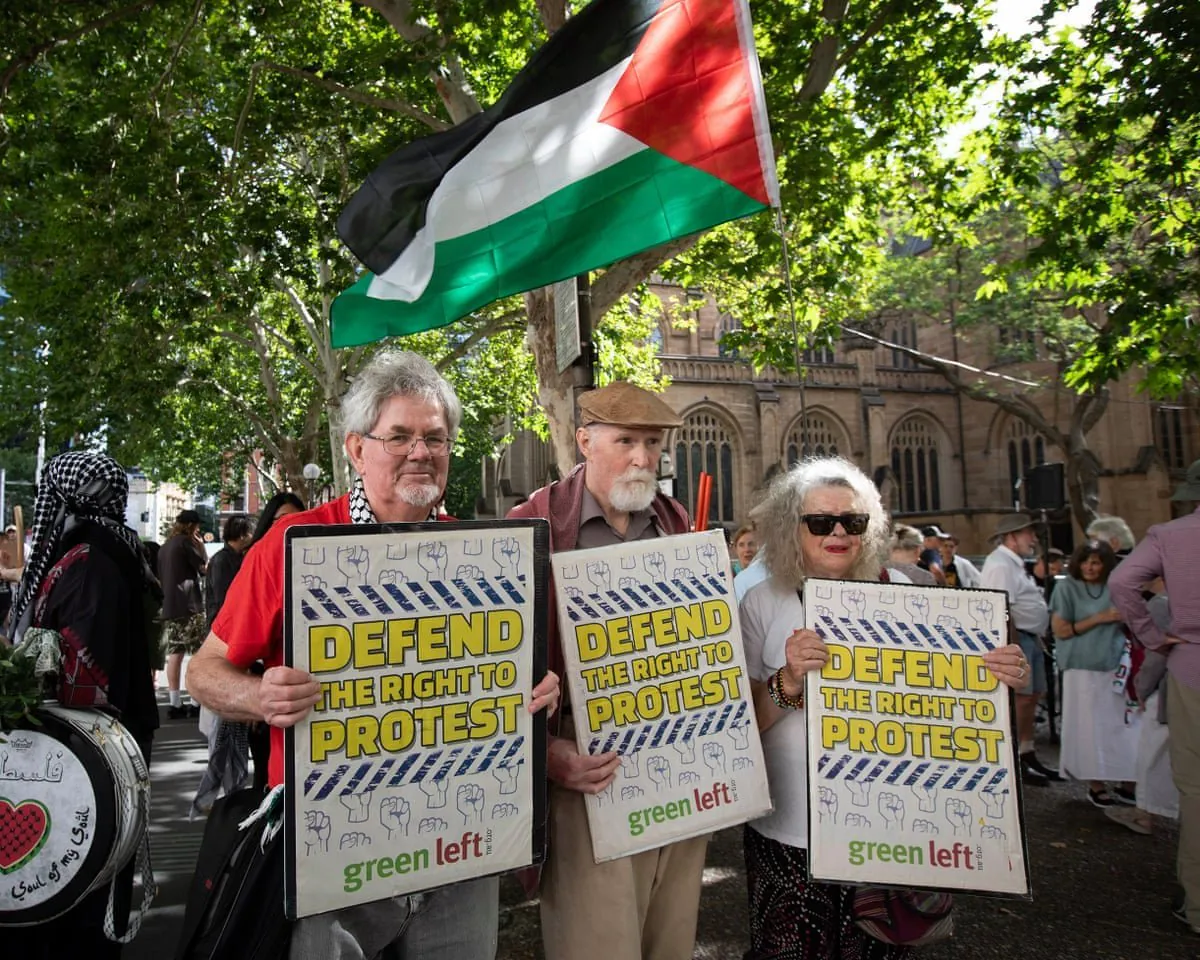
Ossip expressed his outrage at the protesters’ actions, stating that their conduct was “appalling” and that he struggled to understand the motivations of the protest organisers.
“Your clients effectively called for a protest at Town Hall on the evening of October 7 whilst the attacks in Israel were still occurring,” Ossip told counsel representing the Palestine Action Group, Dominic Toomey SC.
The commission heard that the pro-Palestinian protesters chanted “where’s the Jews?” and “f*** the Jews”, with an Israeli flag set on fire during the rally.
A forensic analysis of 200 hours of CCTV footage could not find evidence of claims some had chanted “gas the Jews”.
Jewish people were advised to avoid Town Hall and the Opera House during the protest, with the Community Security Group NSW (CSG NSW) communicating with NSW Police about security concerns associated with the rally.
NSW Police Acting Deputy Commissioner Peter McKenna appeared before the commission, discussing the police response to the October 9 protest.
McKenna stated that police were in control of the Opera House rally and that officers on the ground did not feel the protest was at risk of getting out of control.
However, McKenna acknowledged that the protest had a profound impact on the Jewish community, with two people wearing Israeli flags being arrested for breach of the peace and issued move on notices.
Analysis: What This Means for AustraliaThe antisemitism royal commission’s inquiry into the pro-Palestinian protest at the Sydney Opera House highlights the growing concern of antisemitism in Australia.
The Jewish community has been left feeling vulnerable and targeted, with many questioning the police’s ability to keep them safe. The commission’s findings will have significant implications for national security, law enforcement, and community cohesion.
Law enforcement insiders warn that the rise of antisemitism in Australia poses a significant threat to community safety and social cohesion.
“The fact that two days after October 7 a community which was highly traumatised and in mourning was told the CBD was not safe for them, had profound psychological impacts,” Ossip said.
The commission’s inquiry serves as a crucial test for Australia in tackling the rise of antisemitism and ensuring the safety and security of all communities.
Industry observers believe that the antisemitism royal commission’s findings will have far-reaching consequences for the way police respond to protests and the measures taken to prevent antisemitic abuse.
“The commission’s inquiry is a wake-up call for Australia to take a stronger stance against antisemitism and to ensure that all communities feel safe and protected,” said a security analyst.
The commission’s report is expected to provide recommendations for improving police response to protests and addressing the growing concern of antisemitism in Australia.
The Sydney Opera House, an iconic symbol of Australian culture and unity, was transformed into a scene of chaos and antisemitic abuse on October 9, 2023, as pro-Palestinian protesters clashed with police and hurled vile insults at the Jewish community. The antisemitism royal commission, established to examine the rise of antisemitism in Australia, heard that the protesters’ actions were “appalling” and a “scene of international disgrace and infamy”.
The Jewish Board of Deputies president, David Ossip, addressed the inquiry, recounting how he first learned about the pro-Palestinian rally on the evening of October 7, shortly after Israelis were killed and taken hostage in an attack by terrorist group Hamas in southern Israel. Ossip expressed his outrage at the protesters’ actions, stating that their conduct was “appalling” and that he struggled to understand the motivations of the protest organisers. “Your clients effectively called for a protest at Town Hall on the evening of October 7 whilst the attacks in Israel were still occurring,” Ossip told counsel representing the Palestine Action Group, Dominic Toomey SC.
The commission heard that the pro-Palestinian protesters chanted “where’s the Jews?” and “f*** the Jews”, with an Israeli flag set on fire during the rally. A forensic analysis of 200 hours of CCTV footage could not find evidence of claims some had chanted “gas the Jews”. Jewish people were advised to avoid Town Hall and the Opera House during the protest, with the Community Security Group NSW (CSG NSW) communicating with NSW Police about security concerns associated with the rally.
NSW Police Acting Deputy Commissioner Peter McKenna appeared before the commission, discussing the police response to the October 9 protest. McKenna stated that police were in control of the Opera House rally and that officers on the ground did not feel the protest was at risk of getting out of control. However, McKenna acknowledged that the protest had a profound impact on the Jewish community, with two people wearing Israeli flags being arrested for breach of the peace and issued move on notices.
The antisemitism royal commission’s inquiry into the pro-Palestinian protest at the Sydney Opera House highlights the growing concern of antisemitism in Australia. The Jewish community has been left feeling vulnerable and targeted, with many questioning the police’s ability to keep them safe. The commission’s findings will have significant implications for national security, law enforcement, and community cohesion.
Law enforcement insiders warn that the rise of antisemitism in Australia poses a significant threat to community safety and social cohesion. “The fact that two days after October 7 a community which was highly traumatised and in mourning was told the CBD was not safe for them, had profound psychological impacts,” Ossip said. The commission’s inquiry serves as a crucial test for Australia in tackling the rise of antisemitism and ensuring the safety and security of all communities.
Industry observers believe that the antisemitism royal commission’s findings will have far-reaching consequences for the way police respond to protests and the measures taken to prevent antisemitic abuse. “The commission’s inquiry is a wake-up call for Australia to take a stronger stance against antisemitism and to ensure that all communities feel safe and protected,” said a security analyst. The commission’s report is expected to provide recommendations for improving police response to protests and addressing the growing concern of antisemitism in Australia.