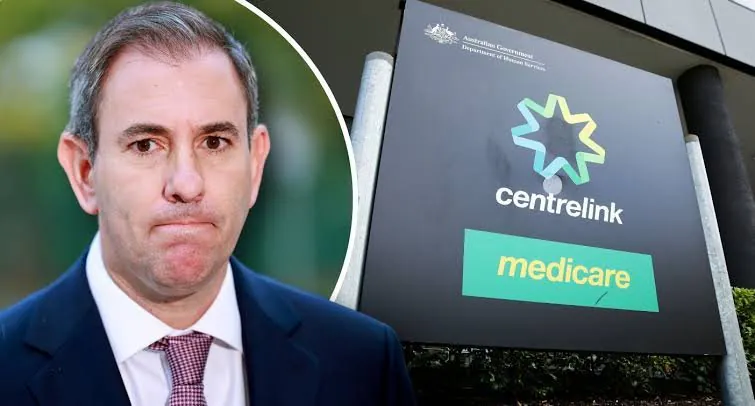
EXPOSED: The Devastating Reality of JobSeeker Payments – How Australia’s Most Vulnerable Are Forced to Live on the Brink of Poverty
- 900,000 Australians on JobSeeker struggle to make ends meet as the payment falls short of covering basic costs, leaving them in debt and reliant on charity.
- A single person on JobSeeker can receive a maximum of $808.70 a fortnight, which is almost impossible to live on, with many being forced to skip meals and go without essentials.
- Experts warn that the payment is “woefully inadequate” and is causing unnecessary suffering and harm, with calls for an increase to at least $600 a week.
- Despite promises of reform, the current employment services system has failed, with corporate empires built on lucrative government contracts while jobseekers remain without work.
The reality of living on JobSeeker payments is a harsh one, with many Australians struggling to make ends meet and forced to live on the brink of poverty.
The maximum payment of $808.70 a fortnight for a single person is almost impossible to live on, with many being forced to skip meals and go without essentials.
The situation is dire, with experts warning that the payment is “woefully inadequate” and is causing unnecessary suffering and harm.

For those on JobSeeker, the struggle is real. Take Billie-Jean, a 34-year-old Brisbane resident who relies on AfterPay to cover her fortnightly shop.
Despite working security and customer service jobs to make ends meet, she is still forced to go into debt every fortnight. “It’s hard.




I get cranky more often, I get upset more often, I feel a lot more down,” she says. “I’m 34 and I can’t even do half the things that a lot of parents are able to do with their kids.”
Raye, a 53-year-old Melbourne resident, was forced to live in her car after being unable to find a place to live on her JobSeeker payment.
“I couldn’t afford to rent on my own in a private rental, there’s just no way. I couldn’t even afford a bungalow, that was $350 a week,” she says.
“You get a bit for rent assistance, but it doesn’t go far. You’ve got to buy food and everything else, it doesn’t balance out.”
The numbers are stark. According to Anglicare Australia, 93% of people on income support struggle to cover grocery costs, with 64% skipping meals or eating less.
Someone on JobSeeker is 14 times more likely to be getting by on just one meal a day than the wider population. Food becomes a discretionary item, with many being forced to rely on food pantries and supermarket specials.
Analysis: What This Means for Australia
The failure of the JobSeeker payment to provide a sufficient safety net for Australia’s most vulnerable citizens has serious implications for national security, law enforcement, and community impact.
With many being forced to live on the brink of poverty, the risk of social unrest and crime increases. The mental health impacts are also significant, with many reporting feelings of despair and hopelessness.
Law enforcement insiders warn that the current system is creating a culture of desperation, with many being forced to turn to crime to make ends meet.
“It’s a ticking time bomb,” says one insider. “We’re seeing more and more people being forced to live on the margins, and it’s only a matter of time before things escalate.”
Security analysts say that the failure of the JobSeeker payment to provide a sufficient safety net is also a national security risk. “When people are forced to live on the brink of poverty, they become vulnerable to exploitation and radicalization,” says one analyst.
“It’s a recipe for disaster.”
Industry observers believe that the current system is also having a significant impact on the economy. “When people are forced to live on the brink of poverty, they’re not able to participate in the economy,” says one observer.
“It’s a vicious cycle that’s hard to break.”
Expert Commentary
Security analysts say that the government needs to take urgent action to address the crisis. “We need to see a significant increase in the JobSeeker payment, and we need to see it now,” says one analyst.
“The current system is failing, and it’s only going to get worse if we don’t take action.”
Law enforcement insiders warn that the government needs to take a more holistic approach to addressing poverty and unemployment. “We need to see a comprehensive strategy that addresses the root causes of poverty and unemployment,” says one insider.
“We can’t just keep patching up the symptoms and expecting things to get better.”
Industry observers believe that the government needs to take a more nuanced approach to addressing the crisis. “We need to see a more targeted approach that addresses the specific needs of different communities,” says one observer.
“One-size-fits-all solutions just aren’t going to cut it.”