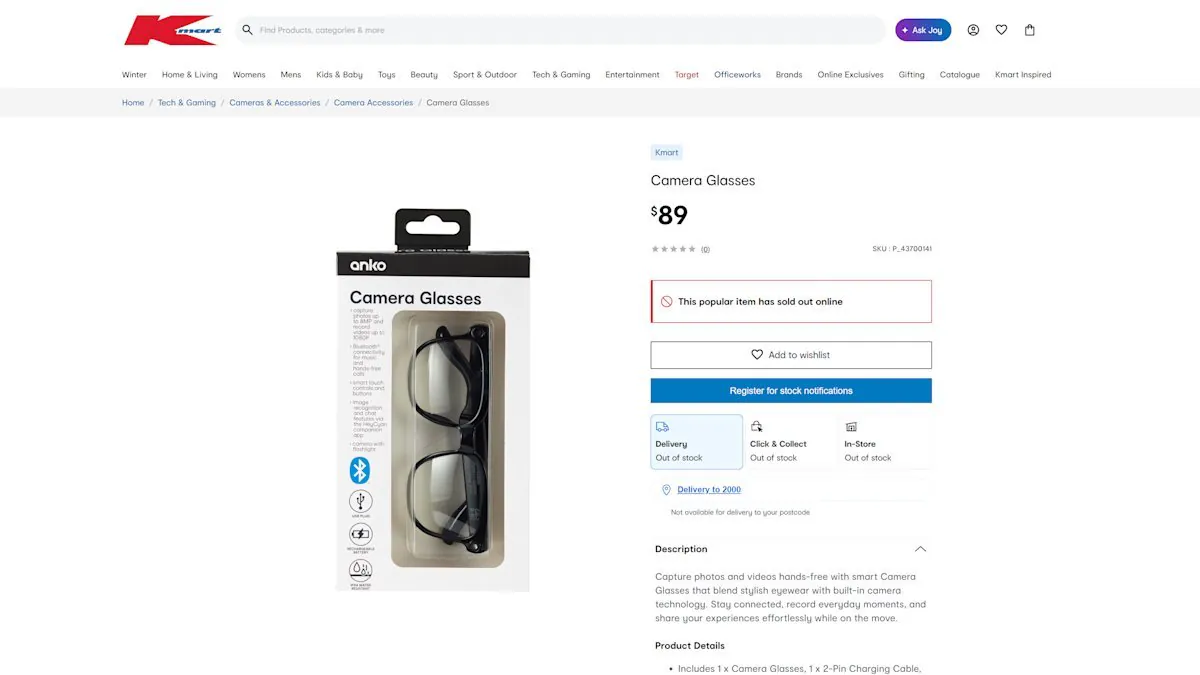
Smart Glasses Surveillance Scandal: Kmart’s $89 Spy Specs Spark Urgent Review as Experts Warn of ‘Significant Implications’ for Women and Children
- Budget smart glasses capable of recording people without consent spark fresh privacy concerns in Australia
- Attorney-General Michelle Rowland seeks urgent review of wearable camera technology amid fears existing laws are inadequate
- Experts warn of ‘significant implications’ for women and children as cheaper devices become more accessible
- New anti-surveillance technology emerges to detect and alert people to nearby camera glasses
The rapid growth of wearable camera technology has sparked a fresh wave of privacy concerns in Australia, with the federal government urgently seeking advice on the issue.
At the center of the controversy is a new $89 pair of smart glasses released by Kmart, capable of recording people without their knowledge or consent.
The affordable device has prompted Attorney-General Michelle Rowland to ask Australia’s Privacy Commissioner to prioritize a review of wearable camera glasses and determine whether stronger safeguards are needed.
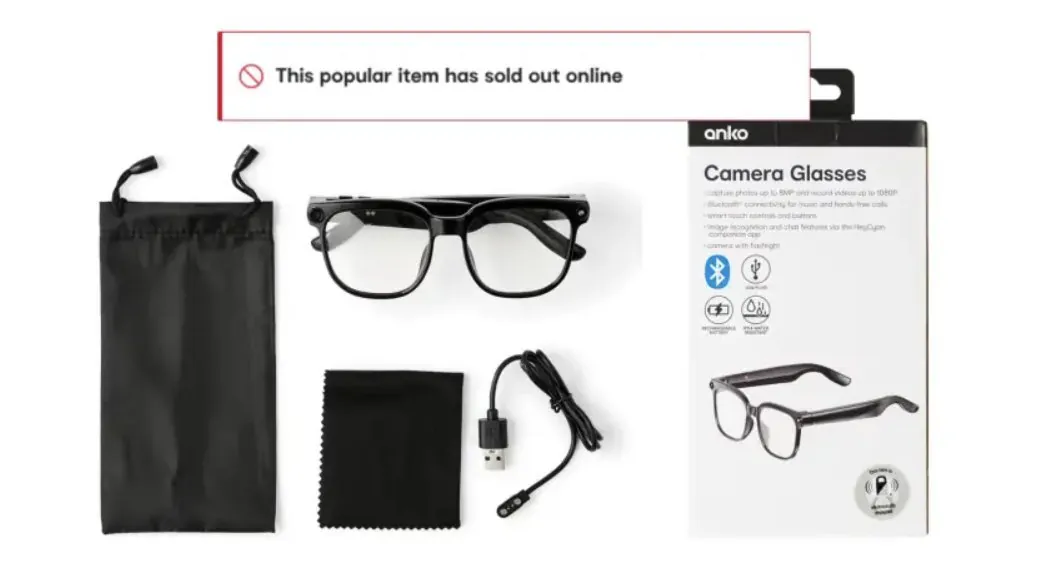
The budget smart glasses, similar to Meta’s more expensive models, allow wearers to capture footage, but at a fraction of the price.
This has raised serious concerns, particularly for women and children, who could be disproportionately affected by inappropriate recording, harassment, surveillance, or other harmful conduct enabled by this technology.




Rowland’s call for a review comes as the devices have already sold out across Kmart stores and online.
The increasing availability of wearable camera technology has significant implications for Australia. The technology has valuable applications, including in construction and assisting people with disabilities, but its growing availability also comes with serious privacy implications.
Cyber security and privacy expert River Nygryn warned that the proliferation of cheaper devices makes it increasingly difficult to oversee where sensitive recordings could end up.
“Tech like this was usually limited to just military operations, or research or gaming avenues, but they’re going down that consumer route, which is a bit concerning,” she said.
The concerns surrounding wearable camera technology are not new, but the affordability of devices like Kmart’s smart glasses has brought the issue to the forefront. Third-party data processing companies could potentially access sensitive recordings, and Nygryn warned that the issue is becoming increasingly difficult to monitor.
She pointed to reports involving a Kenyan data processing company and footage captured through Meta glasses, which was reportedly used to help train Meta’s artificial intelligence.
Whistleblowers have spoken out about concerning images and videos they allegedly encountered while reviewing the material.
Analysis: What This Means for Australia
The rapid growth of wearable camera technology poses significant implications for Australia’s national security, law enforcement, and community safety. The increasing availability of affordable devices like Kmart’s smart glasses raises concerns about privacy, consent, and the potential for surveillance.
As the technology becomes more widespread, it is essential that Australia’s existing laws provide adequate protection for individuals.
The federal government’s urgent review of wearable camera technology is a step in the right direction, but more needs to be done to address the growing concerns.
Law enforcement insiders warn that the proliferation of wearable camera technology will make it increasingly difficult to monitor and regulate. “The technology is becoming more discreet, and it’s getting harder to detect when someone is recording,” said one insider.
“We need to stay ahead of the curve and ensure that our laws and regulations are equipped to deal with the implications of this technology.”
Experts believe that the development of anti-surveillance technology, such as the Nearby Glasses app, is a positive step in addressing the concerns surrounding wearable camera technology.
The app, which can detect whether camera glasses are nearby and recording, gives users another potential way to identify the increasingly discreet technology. However, more needs to be done to educate the public about the risks associated with wearable camera technology and the importance of protecting their privacy.
As the federal government continues to review wearable camera technology, it is essential that Australians are aware of the potential risks and take steps to protect themselves.
By understanding the implications of this technology, we can work towards creating a safer and more secure community for all.