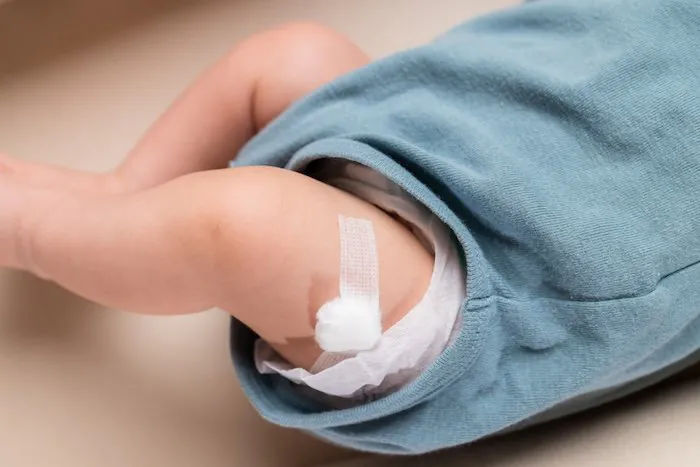
A Deadly Trend Sweeping the Nation: Why Aussie Parents Are Refusing a Lifesaving Vitamin K Shot
- A growing number of Australian parents are rejecting a routine vitamin K injection for their newborns, despite medical experts warning of a rare but deadly condition that can cause internal bleeding and even death.
- In Queensland, the number of babies missing out on the injection has more than doubled in just two years, with 2572 newborns going without the treatment in 2022.
- Experts blame online misinformation for the trend, which has also been seen in the US, where anti-vaccine influencers have labeled the shot a “murder weapon”.
- A Sydney pediatrician has spoken out about the risks, revealing he recently treated a four-week-old baby who suffered multiple areas of bleeding in the skull after not receiving the injection.
The decision to refuse a vitamin K injection for their newborn may seem like a trivial matter to some, but for medical experts, it’s a matter of life and death.
For decades, the routine injection has been administered to babies shortly after birth to prevent a rare but deadly condition known as vitamin K Deficiency Bleeding (VKDB).
However, a growing number of Australian parents are now pushing back against the treatment, citing concerns over its safety and necessity. At the heart of the issue is a fundamental misunderstanding about the role of vitamin K in newborn care.
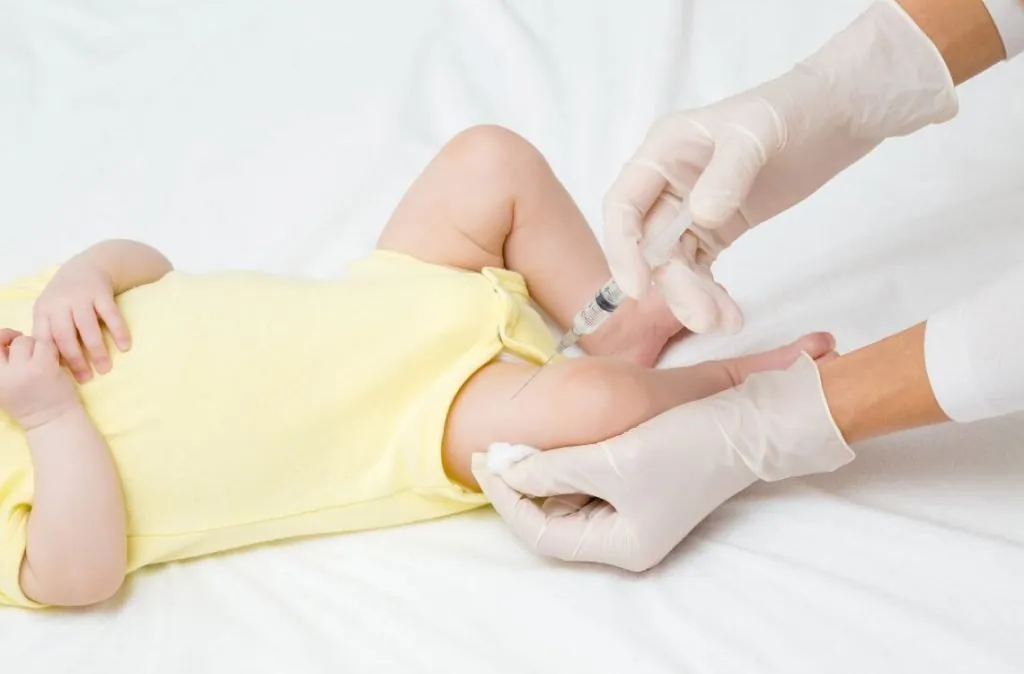
Vitamin K is essential for blood clotting, and without it, babies are at risk of internal bleeding, which can lead to seizures, permanent brain damage, and even death.
The injection, which is not a vaccine, has been a standard part of newborn care in Australia since the 1960s and has a proven track record of preventing VKDB.
Despite this, some parents are choosing to forgo the injection, citing concerns over the potential risks and side effects.
For Sydney mother Nicole Arentz-Ferguson, the decision to refuse the vitamin K shot for her second baby was made after months of research and consultation with medical professionals.
“I had spent almost nine months growing and protecting her,” she said. “I felt a responsibility to understand every intervention being offered after giving birth.”
Arentz-Ferguson’s experience is not unique.
Many parents are taking to social media and online forums to express their concerns and share their experiences, often citing misinformation and anecdotes as evidence of the injection’s supposed dangers.
However, medical experts warn that this misinformation is having a devastating impact, with the number of babies missing out on the injection increasing dramatically in recent years.
In Queensland, the number of babies missing out on the injection has more than doubled in just two years, with 2572 newborns going without the treatment in 2022.
Similar trends are being seen in other states, with Tasmania recording a drop in coverage from 99% in 2021 to 97% in 2025.
Analysis: What This Means for AustraliaThe trend is not just a matter of personal choice; it has serious implications for public health.
VKDB is a rare but deadly condition that can have devastating consequences for families and communities.
By refusing the vitamin K injection, parents are not only putting their own children at risk but also undermining the broader public health effort to prevent this condition.
The rise in vitamin K hesitancy is also a symptom of a broader issue – the erosion of trust in medical professionals and the spread of misinformation online.
As the World Health Organization has warned, vaccine hesitancy is a major public health concern, and the spread of misinformation on social media is a key driver of this trend.
Experts warn that the consequences of refusing the vitamin K injection can be severe. Dr.
Samuel Heitner, a Sydney pediatrician, recently treated a four-week-old baby who suffered multiple areas of bleeding in the skull after not receiving the injection.
“Although it was not possible to say with certainty whether vitamin K deficiency contributed to the bleeding, the case made me question whether the severity of the outcome might have been reduced or prevented,” he said.
As the trend continues to sweep the nation, medical experts are sounding the alarm. “A healthy pregnancy, an uncomplicated birth or a healthy-looking baby does not remove the risk,” warns Dr.
Heitner.
“Concerns raised in the past about a possible link between the vitamin K injection and childhood cancer have been extensively investigated, and research has found no evidence that vitamin K injections increase the risk of childhood cancer.”
The Australian government and health authorities must take action to address the spread of misinformation and reassure parents of the safety and efficacy of the vitamin K injection.
By doing so, they can help prevent a public health crisis and ensure that all newborns receive the vital care they need to thrive.
The decision to refuse a vitamin K injection for their newborn may seem like a trivial matter to some, but for medical experts, it’s a matter of life and death. For decades, the routine injection has been administered to babies shortly after birth to prevent a rare but deadly condition known as vitamin K Deficiency Bleeding (VKDB). However, a growing number of Australian parents are now pushing back against the treatment, citing concerns over its safety and necessity.
At the heart of the issue is a fundamental misunderstanding about the role of vitamin K in newborn care. Vitamin K is essential for blood clotting, and without it, babies are at risk of internal bleeding, which can lead to seizures, permanent brain damage, and even death. The injection, which is not a vaccine, has been a standard part of newborn care in Australia since the 1960s and has a proven track record of preventing VKDB.
Despite this, some parents are choosing to forgo the injection, citing concerns over the potential risks and side effects. For Sydney mother Nicole Arentz-Ferguson, the decision to refuse the vitamin K shot for her second baby was made after months of research and consultation with medical professionals. “I had spent almost nine months growing and protecting her,” she said. “I felt a responsibility to understand every intervention being offered after giving birth.”
Arentz-Ferguson’s experience is not unique. Many parents are taking to social media and online forums to express their concerns and share their experiences, often citing misinformation and anecdotes as evidence of the injection’s supposed dangers. However, medical experts warn that this misinformation is having a devastating impact, with the number of babies missing out on the injection increasing dramatically in recent years.
In Queensland, the number of babies missing out on the injection has more than doubled in just two years, with 2572 newborns going without the treatment in 2022. Similar trends are being seen in other states, with Tasmania recording a drop in coverage from 99% in 2021 to 97% in 2025.
The trend is not just a matter of personal choice; it has serious implications for public health. VKDB is a rare but deadly condition that can have devastating consequences for families and communities. By refusing the vitamin K injection, parents are not only putting their own children at risk but also undermining the broader public health effort to prevent this condition.
The rise in vitamin K hesitancy is also a symptom of a broader issue – the erosion of trust in medical professionals and the spread of misinformation online. As the World Health Organization has warned, vaccine hesitancy is a major public health concern, and the spread of misinformation on social media is a key driver of this trend.
Experts warn that the consequences of refusing the vitamin K injection can be severe. Dr. Samuel Heitner, a Sydney pediatrician, recently treated a four-week-old baby who suffered multiple areas of bleeding in the skull after not receiving the injection. “Although it was not possible to say with certainty whether vitamin K deficiency contributed to the bleeding, the case made me question whether the severity of the outcome might have been reduced or prevented,” he said.
As the trend continues to sweep the nation, medical experts are sounding the alarm. “A healthy pregnancy, an uncomplicated birth or a healthy-looking baby does not remove the risk,” warns Dr. Heitner. “Concerns raised in the past about a possible link between the vitamin K injection and childhood cancer have been extensively investigated, and research has found no evidence that vitamin K injections increase the risk of childhood cancer.”
The Australian government and health authorities must take action to address the spread of misinformation and reassure parents of the safety and efficacy of the vitamin K injection. By doing so, they can help prevent a public health crisis and ensure that all newborns receive the vital care they need to thrive.