Bird Flu Crisis Deepens: Two Native Australian Birds Test Positive for Deadly H5 Virus as Nation Grapples with Rising Outbreak
- Two Greater Crested Terns found dead in NSW test positive for H5 avian influenza, marking the first time a native Australian bird has been infected in the state
- Nationally, Australia records 215 confirmed H5 detections, with South Australia reporting a sharp rise in cases, mostly among Terns
- Surveillance teams scramble to monitor for further cases, as authorities urge the public to report sick or dead birds immediately
- Environment Minister Penny Sharpe says the new cases were “not unexpected” and that the government is “well equipped” to respond, but experts warn of potential risks to human health and the poultry industry
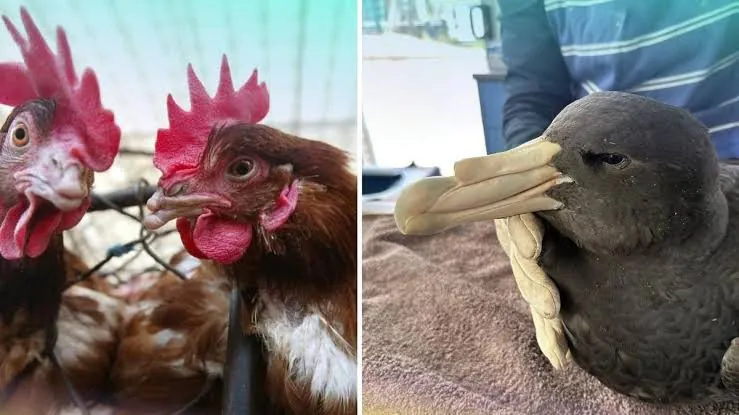
The discovery of two native Australian birds infected with the deadly H5 avian influenza virus has sent shockwaves across the country, as authorities scramble to contain the outbreak and prevent further spread.
The two Greater Crested Terns, found dead in NSW, are the first native birds to test positive for the virus in the state, bringing the national total to 215 confirmed detections.
The birds, one found near Narooma on the south coast and the other near Wentworth in western NSW, were reported by members of the public to the Emergency Animal Disease Hotline and sampled by the state’s H5 response team.
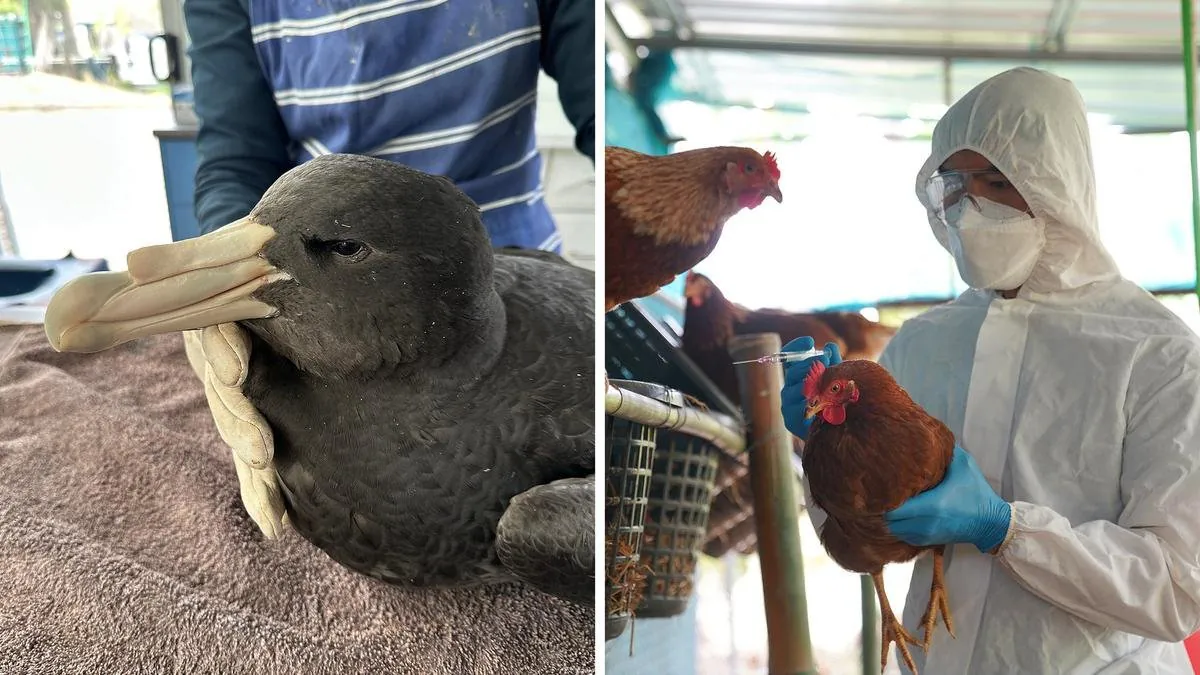
Testing was carried out at CSIRO’s Australian Centre for Disease Preparedness, confirming the presence of the H5 virus.
The new detections come as South Australia reports a sharp rise in H5 detections, with more than 80 birds – mostly Terns – identified in recent weeks.



A national surveillance plan has been running since June to track new cases and coordinate rapid response efforts, with over 3558 calls made to the Emergency Animal Disease Hotline since then.
While authorities say the risk to human health remains low, experts warn that the outbreak has the potential to spread to commercial poultry flocks and captive birds, which could have devastating consequences for the industry and the economy.
Agriculture Minister Tara Moriarty said governments were working closely with the poultry industry to strengthen biosecurity and prevent the spread of the virus.
Environment Minister Penny Sharpe said the new cases were “not unexpected” and that the government was “well equipped” to respond. “We have been preparing for a situation like this, and we remain well equipped to respond to manage further impacts,” she said.
“We are using the best available data and tools to target actions for our most at-risk wildlife species and important natural places.”
Analysis: What This Means for Australia
The H5 avian influenza outbreak has significant implications for Australia’s national security, with the potential to impact the country’s food supply, economy, and human health.
The fact that native birds have now tested positive for the virus raises concerns about the spread of the disease and the effectiveness of current biosecurity measures.
Security analysts say the outbreak highlights the need for increased vigilance and cooperation between state and federal governments, as well as the poultry industry, to prevent the spread of the virus.
“This is a wake-up call for Australia,” said one expert. “We need to take immediate action to strengthen our biosecurity measures and protect our poultry industry.”
Law enforcement insiders warn that the outbreak could also have implications for public safety, particularly if the virus were to spread to commercial poultry flocks or captive birds.
“We need to be prepared for the worst-case scenario,” said one source. “If the virus were to spread, it could have devastating consequences for human health and the economy.”
Industry observers believe that the outbreak could also have economic consequences, particularly for the poultry industry, which is already facing significant challenges. “This is a major blow to the industry,” said one observer.
“If the virus were to spread, it could lead to significant losses and even closures.”
As the situation continues to unfold, one thing is clear: the H5 avian influenza outbreak is a serious threat to Australia’s national security, public safety, and economy.
It is imperative that authorities take immediate action to contain the outbreak and prevent further spread.