China’s Budget Beasts: How Two Underdog Cars Are Revolutionising Australia’s Automotive Market with Unbeatable Value
- Two Chinese-made compact cars have taken the top spots in a major study of the best value vehicles over a five-year period, with the MG3 crowned overall winner
- The budget-friendly MG3 Vibe costs less than $20,000, but its impressive performance and low running costs make it a savvy long-term investment
- Chinese-made cars dominated the rankings, taking five categories and leaving Australian favourites in the dust
- The study by the NRMA reveals that depreciation is a major factor in the true cost of car ownership, with some vehicles losing up to $20,000 in value over five years
The Australian car market is facing a seismic shift, and it’s all thanks to two underdog Chinese-made cars that are rewriting the rules on value.
The MG3 Vibe and BYD Atto 1 have taken the top spots in a major study by the NRMA, which crunched the numbers on 131 cars to reveal the best value vehicles over a five-year period.
And the results are nothing short of astonishing.
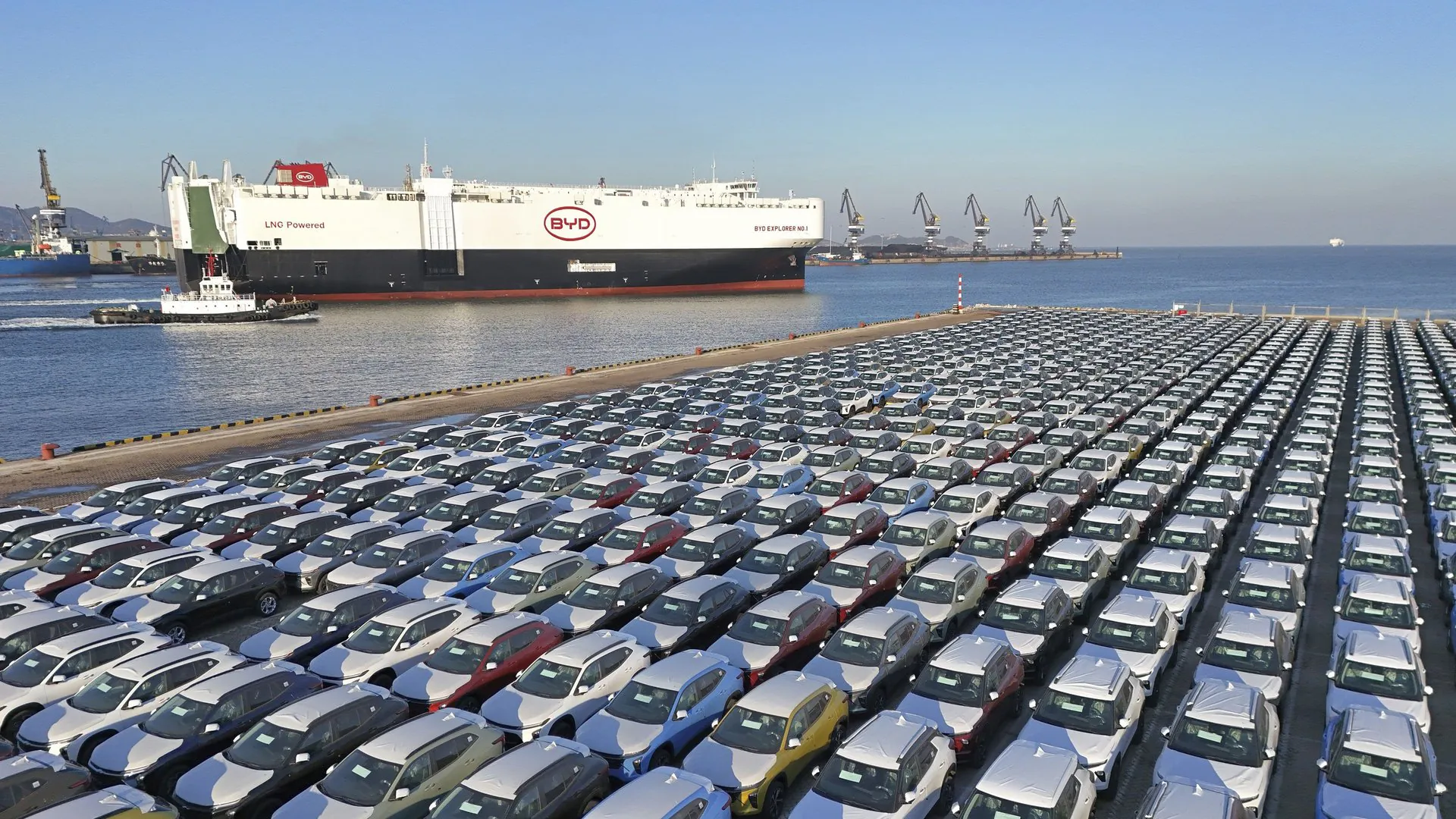
According to the NRMA’s analysis, the MG3 Vibe is the overall winner, with a total cost of ownership that’s unbeatable.
At less than $20,000, it’s already one of the cheapest cars on the market, but its impressive performance and low running costs make it a savvy long-term investment.




In fact, the MG3 was the only vehicle below $30,000 after five years, including purchase price and on-road costs. “The majority of us all focus on one figure when we buy a car, and that is purchase price,” said NRMA’s Alex Inwood.
“But depreciation is a really big one.”
The study took into account everything owners spend over five years, including insurance, fuel or electricity, servicing, rego, and tyre replacement, versus what the car might be worth five years later.
And the results showed that some similar-priced vehicles came out up to $20,000 different in cost.
The MG3’s impressive performance was matched by the BYD Atto 1, which took the top spot in the electric vehicle category and came in just $700 behind the MG3 overall.
So, what’s behind the success of these Chinese-made cars? According to industry insiders, it’s all about the combination of quality, performance, and value.
“EVs are now starting to compete on more than just their environmental credentials or their fuel savings,” said Inwood.
“They’re becoming increasingly viable options for Australian car buyers who want a reliable and affordable vehicle that won’t break the bank.” And with Chinese-made cars topping five categories overall, it’s clear that they’re a force to be reckoned with in the Australian market.
But what does this mean for Australia?
Analysis: What This Means for Australia is that the country’s car market is becoming increasingly globalised, with international players like MG and BYD offering Australians more choice and better value than ever before.
This shift is likely to have significant implications for the local automotive industry, which has long been dominated by traditional brands like Toyota and Holden. As the market continues to evolve, it’s likely that we’ll see even more Chinese-made cars making waves in the Australian market.
Security analysts say that the rise of Chinese-made cars is also likely to have implications for national security, as the country becomes increasingly reliant on international supply chains.
“As we become more dependent on foreign manufacturers, we need to be aware of the potential risks and vulnerabilities that come with it,” said one expert.
“It’s not just about the cars themselves, but about the technology and intellectual property that comes with them.”
Law enforcement insiders warn that the influx of cheap, high-quality cars could also have implications for road safety, as more Australians take to the roads in vehicles that may not meet local safety standards.
“We need to make sure that these cars are meeting our safety standards, and that we’re not compromising on safety in the pursuit of value,” said one insider.
Industry observers believe that the rise of Chinese-made cars is a wake-up call for the local automotive industry, which needs to adapt to changing consumer preferences and technological advancements.
“The days of Australian-made cars are behind us, and we need to focus on creating a competitive and sustainable industry that can thrive in a global market,” said one observer.